
In photography, we often face ethical dilemmas that can influence what we choose to publish. A recent case involving the removal of a photo of an unconscious motorcyclist by a newspaper highlights these issues. In the face of criticism, media outlets must ask themselves how far they can go in reporting events and what the boundaries are for protecting the privacy of those affected by tragic situations.
Privacy Boundaries in Photography
In situations involving tragedy, it is crucial to maintain respect for the affected individuals. Publishing images of unconscious people can be seen as a violation of their privacy, leading to difficult questions about ethical boundaries in photography. It's essential to consider the emotional impact on the family and loved ones.
Public Interest vs. Media Responsibility
Media have a duty to inform the public, but must do so responsibly. On one hand, reporting on accidents can raise awareness; on the other, it can contribute to stress and trauma for victims' relatives. Therefore, it is important for photojournalists debating publication to make informed decisions.
Historical Examples — When a Photo Became Controversial
Throughout the history of photography, there have been many instances where images sparked controversy. From war photography to tragic images of traffic accidents, every photographic record carries a certain responsibility. For instance, famous images from the Vietnam War or pictures of natural disaster victims have sparked heated discussions about the limits of publication.
What are the Consequences of Removing Photos?
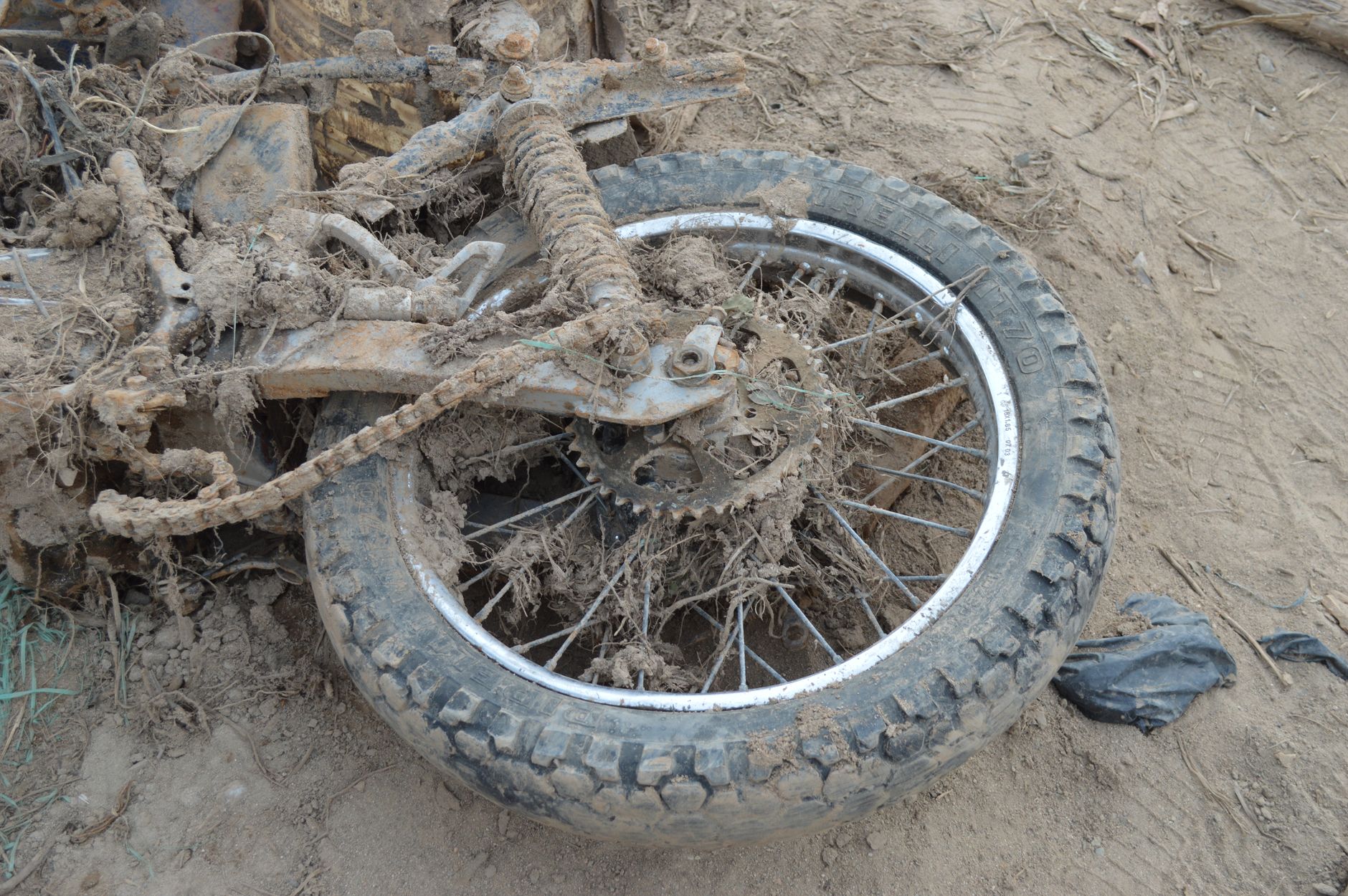
The decision to remove a controversial photo impacts not only the publication in question but can also affect the overall reputation of the media outlet. A lack of transparency in decision-making can lead to a loss of trust among the audience, which can harm the publication's image in the long run.
Ethical Dilemmas for Photographers
For photographers, it is vital to understand which values and principles they stand by. In unpredictable situations, they may face dilemmas — should they publish a photo that could move and stir public opinion or is it better to withhold it to protect the victim's privacy? Such questions require time for reflection and consideration.
What Can Result from Public Criticism?
Recent controversies surrounding photo publications may indicate a growing societal sensitivity to ethical issues in the media. With social media posts, critical voices can spread rapidly, compelling editorial teams to take immediate action, which consequently influences publication decisions.
How Picvelo Can Help
Picvelo is a platform that empowers photographers to organize and showcase their work. With the ability to create client galleries while maintaining full control over the published images, you can ensure that your work is protected and selected based on appropriate criteria.
Summary
Ethics in photography should be a priority for every professional. In light of controversies surrounding photo publications, both photographers and media must act with respect and responsibility. Always remember to analyze the thoughts and decisions you make in your work!
FAQ
Why can controversial photos be problematic?
Controversial photos, especially those related to tragedies, can invade privacy and evoke strong emotions. It is important for photographers to consider their impact on the family and community.
What ethical principles in photography can be applied?
It’s crucial to prioritize respect for the individuals captured in images, reflect on publication decisions, and be aware of the impact that photos can have on the surrounding environment.
Is removing a photo always a good step?
Not necessarily. Removing a photo can be a sign of responsibility, but it may also raise questions about transparency and the ethical principles of a given editorial team.
How can one learn about photography ethics?
Photography ethics can be explored through literature, online courses, workshops, and by participating in discussions and debates about images and their impact.
How does the audience influence media decisions?
The audience has the power to express their opinions, which can influence editorial decisions. Media often respond to social criticism by changing their approach to publishing sensitive materials.
What is documentary photography?
Documentary photography aims to capture reality and convey truth, but also presents photographers with dilemmas concerning ethics and responsibility.