
Packing a photography backpack for an outdoor session is an art in itself. A good backpack not only protects equipment worth thousands but also ensures comfort and mobility in the field. In this article, we'll show you how to effectively pack for various types of sessions – from urban portraits to landscapes in the wilderness – so that nothing surprises you on your journey.
Choosing the Right Photography Backpack
The foundation of any outdoor photography session is the right backpack. When choosing, consider several factors: capacity, comfort, accessibility, and organization of the interior. For urban portraits, a compact backpack with about 20 liters of capacity and flexible organizers is sufficient. Landscape photographers may need larger models like the Shimoda Action X70, which offers around 50 liters of capacity and special tripod mounts.
Packing Setup for Outdoor Portraits
During outdoor portrait sessions, mobility and quick access to gear are crucial. Place the camera body with a 35mm lens on top of the backpack, ready for quick use. An additional lens, like an 85mm, can be kept in a side pocket. Spare batteries and memory cards should be in easily accessible pockets. This will save time and minimize the risk of missing shots.
Packing for Full-Time Wedding Photography
Wedding sessions are typically all-day challenges. Using larger backpacks like the LowePro ProTactic 450 provides space for two bodies, four lenses, and two speedlights, essential for varied lighting conditions. Basic packing rules include placing heavier gear close to your back, which offers better spinal support and even weight distribution.
Packing Strategies for Landscape Photographers
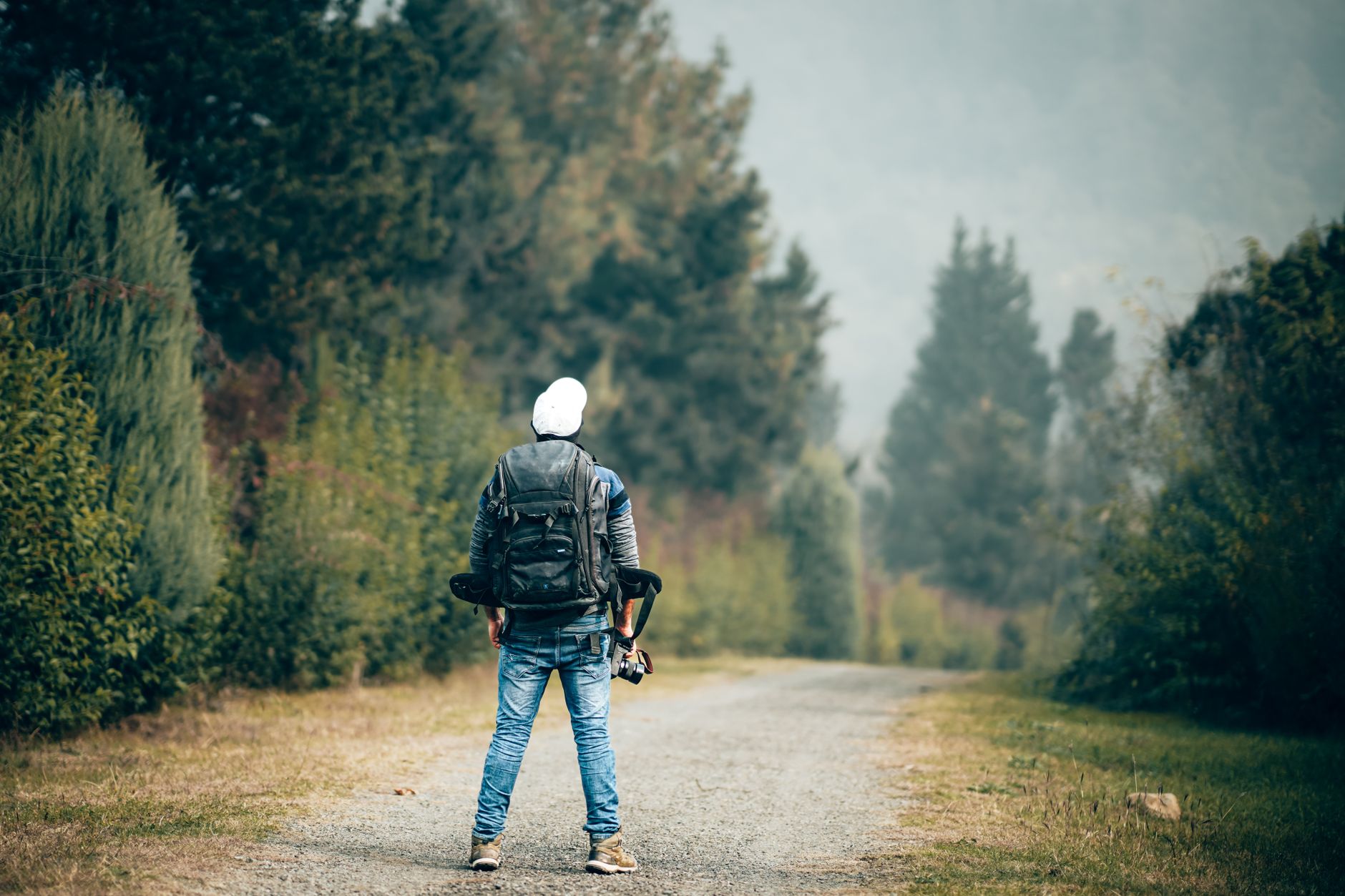
Landscape photography often requires long periods outdoors, away from civilization, which means careful planning is necessary. Backpacks like the F-Stop Tilopa with 50 liters of capacity, accommodating tripods and accessories, are ideal. It's important to have filters and memory cards handy and to secure gear against sudden weather changes, such as with a built-in rain cover.
Protecting Gear from Weather Conditions
Outdoor weather can be unpredictable, making it essential to protect your gear. Most premium backpacks feature built-in rain covers that shield cameras and lenses during rain. Additionally, wet gear can be wiped with a microfiber cloth, and in extreme conditions, silicone drops can be used on the lenses.
Weight Distribution Tips for Your Backpack
A key principle is to distribute the weight in the backpack so that the heaviest items are as close to the photographer's back as possible. This reduces leverage, which is better for the spine and allows for longer working hours without feeling fatigued. The weight of a packed backpack should not exceed 20% of the photographer's body weight to ensure comfort during all-day sessions.

Essential Accessories to Have
Regardless of the session type, it's wise to mind basic accessories. Spare batteries and SD cards are essential; it's good to have 2-3 more than you anticipate needing. Side pockets of the backpack can hold a water bottle and snacks – remember, photography involves physical effort as well. A 5-in-1 reflector can also be useful in the field for controlling light.
Managing Memory Cards and Batteries
During longer sessions, managing energy and space for cards is vital. Memory cards should be stored in specialized cases, preferably moisture-resistant. Batteries should be placed in a separate, easily accessible pocket for quick swapping. In winter conditions, keep in mind that batteries discharge faster, so don't charge them fully before heading out.
How Picvelo Can Help
With Picvelo, you have control over your client galleries. With easy configuration and security features, you can ensure every outdoor project has a professional finish. Clients have convenient access to the galleries, which speeds up the process of selecting the best shots.
Summary
Packing a photography backpack is a key element of any outdoor session. Well-organized gear allows for smooth operation, and proper protection ensures its durability in all conditions. With our tips, your outdoor challenges will become less stressful and more productive.
FAQ
What features should a good photography backpack have?
A good photography backpack should have adjustable dividers, dust and moisture protection, and a comfortable design. It's also important that its capacity is suited to the type of session.
Does every photography backpack come with a rain cover?
Not every backpack comes with a rain cover as standard, but most premium models do offer a built-in rain cover. Additionally, it's wise to have a spare plastic bag for the camera.
How should I distribute the weight of photographic equipment in the backpack?
Distribute the weight so that the heaviest items are close to your back. This reduces leverage and improves comfort, providing better support for the spine during long hikes.
What should I do if the session is planned for rainy weather?
In case of rain, it's important to have a rain cover for the backpack and a plastic bag for the camera. Using microfiber for wiping and silicone drops on the lens can also be helpful.
How should I care for batteries and memory cards in challenging conditions?
Batteries should be kept warm, preferably in an inner pocket of your jacket. Memory cards should be in a moisture-resistant case to ensure their safety.
What accessories are essential for outdoor sessions?
Essential accessories include spare batteries, extra memory cards, a 5-in-1 reflector, as well as water and snacks. It's good to have more batteries/cards than you expect to use.