
Image stabilization is a key element of modern photography that allows for sharp, motion-free images under various conditions. With stabilization technologies like IBIS and OIS, we can shoot handheld even at long exposure times. In this article, we will discuss the differences between IBIS and OIS, how they work in cameras like Sony and Canon, and when it’s best to turn them off for better effects. Practical tips will help you leverage the potential of image stabilization in your daily work.
What is IBIS?
IBIS, or In-Body Image Stabilization, is a technology that shifts the camera's sensor to reduce vibrations. The main advantage of this system is the ability to use it with any lens, which is a significant perk for photographers with a wide range of glass. IBIS compensates for camera movements using piezoelectric elements mounted on the sensor. With IBIS, we can achieve sharper images at longer exposure times, which is especially useful for low-light photography. Manufacturers often claim stabilization capabilities of up to 7-8 stops, but in practice, we typically achieve stabilization levels of around 3-5 stops.
OIS: Optical Image Stabilization
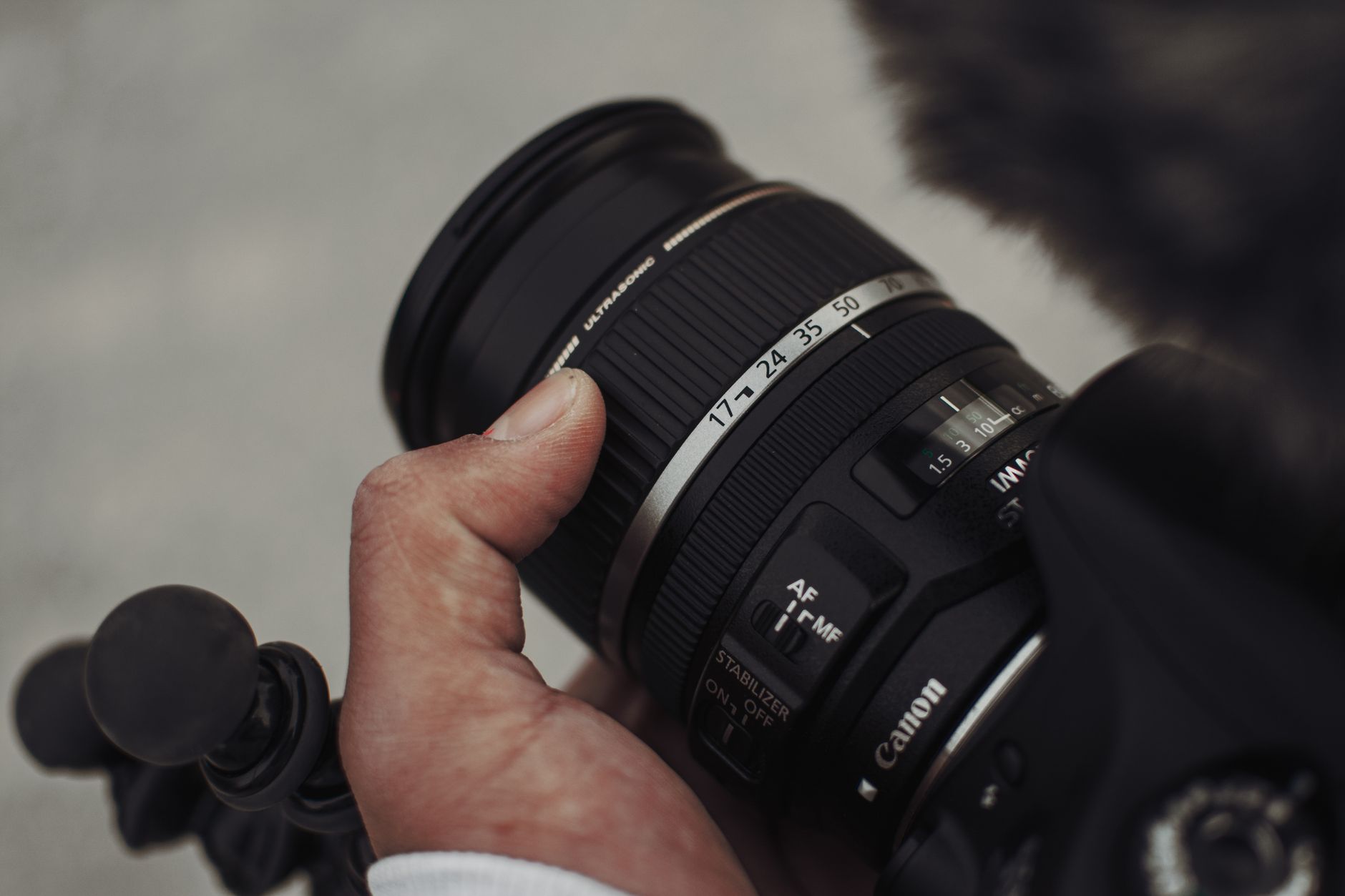
Optical Image Stabilization (OIS) is a technology built directly into the lens that shifts the lens elements to counteract vibrations. OIS works best with telephoto lenses, where even the slightest movements can significantly affect image quality. Newer systems, like those used in Canon and Nikon lenses, offer even several modes of OIS, allowing precise adjustment of stabilization to working conditions. When combined with IBIS, these systems can deliver unprecedented precision in achieving sharpness, although each has its limitations and specifications.
Collaboration of IBIS and OIS in Modern Systems
In modern cameras, such as the Sony Alpha and Nikon Z, IBIS and OIS systems often collaborate to provide an even greater level of stabilization. Thanks to advanced algorithms, stabilization is distributed between sensor and lens movements, yielding better results than using either technology alone. For example, in Olympus cameras, the combination of both technologies allows for freer handheld shooting at focal lengths of up to 80mm. Even so, even the latest systems are not a perfect solution for all situations, making it essential to consciously choose when to turn them off.

When to Turn Off Stabilization?
There are occasions when it's better to turn off image stabilization. The first instance is when using a tripod—active stabilization can disrupt vibrations that normally would not affect the image, leading to the exact opposite effect intended. While shooting with fast shutter speeds, say over 1/500s, stabilization is not necessary. Similarly, when using long exposures with bulb shutter, as well as when using a gimbal for video, camera stabilization may become unnecessary.
The Value of Stabilization in an 85mm Portrait Lens
The discussion regarding the sense of stabilization in portrait lenses, like 85mm, remains relevant. Stabilization can be quite useful in low light conditions, allowing handheld shooting at lower ISO values and longer exposure times. However, in everyday portrait photography, with sufficient lighting and relatively short exposure times, the difference is only noticeable in more artistic shots where a slight blurring effect is desired.
Disadvantages of Stabilization at Long Focal Lengths
While IBIS and OIS are useful, they have limitations, especially with very long focal lengths, such as 600mm. In such cases, vibrations are much more pronounced, and stabilization in the camera or lens cannot always completely mitigate them. Therefore, with long focal lengths, a tripod is indispensable, and stabilization may only provide additional assistance, rather than solving all vibration-related issues.
Stabilization Performance vs. Battery Life
Image stabilization, especially IBIS, is an energy-intensive technology, which affects the battery life of the camera. Therefore, during long photo sessions or in situations where energy saving is crucial, it’s worth considering turning it off. Travel photographers often face the choice between stabilization and the operational time of their equipment. Understanding these dependencies is essential for making informed decisions about when to benefit from additional software support and when to rely on traditional stabilization techniques.
Active Stabilization and Sensor-Shift
Modern cameras also offer special stabilization modes, such as active stabilization, which is useful for video motion. It uses advanced processing of data from sensors to better compensate for rapid movements. In contrast, sensor-shift technology allows for creating higher resolution images through additional movements of the sensor, enabling merging of images in high quality. Both solutions demonstrate the rapid advancement of stabilization technology, enhancing its versatility.
How Picvelo Can Help
Picvelo helps manage photo galleries, allowing for the selection of the best shots and management with security features like watermarks. With Picvelo, your work with clients is always professional and efficient. /
Summary
Understanding how image stabilization works allows for better management of photos and equipment. Whether you use IBIS, OIS, or both, effectively managing these technologies will aid your work as a photographer. Remember to adjust settings to the situation, which will enable you to achieve the best effect in every shot.
FAQ
Which is better, IBIS or OIS?
There is no clear answer, as both systems have their advantages. IBIS works with any lens, while OIS is typically more effective with telephoto lenses. They perform best in combination.
Does image stabilization affect photo quality?
Yes, stabilization can improve the sharpness of images taken at longer exposure times and in low light. It helps reduce blurring caused by vibrations.
How many stops of stabilization does IBIS provide?
Manufacturers often claim 7-8 stops, but in practice, we can usually expect stabilization of around 3-5 stops, depending on conditions and the camera.
When should I turn off image stabilization?
It's wise to turn off stabilization when shooting from a tripod, with fast shutter speeds, and during long exposures to avoid unnecessary energy consumption.
Do I need stabilization in an 85mm portrait lens?
Stabilization is helpful in low light, but it’s not necessary under normal conditions with short exposure times. It aids in achieving sharp handheld images.
How does image stabilization affect battery life?
Active stabilization can lead to faster battery drain. It's advisable to turn it off in situations where stabilization doesn't offer benefits to save camera energy.