
When photographing portraits, the choice of lens can drastically alter the final effect. The focal length not only impacts the composition of the photo but also how we perceive the proportions of the face and background. In this article, we'll explore how different focal lengths—such as 24mm and 85mm—affect portraits and why each has its unique applications.
The Myth of 'Portrait' Focal Lengths
Traditionally, lenses with focal lengths between 85mm and 135mm are considered ideal for portraits. It's true that these focal lengths provide pleasing face proportions and a friendly background compression, but that's not the only option. Often overlooked are the unique emotions that can be captured using different focal lengths. It's important to remember that the choice of lens should depend on the intended effect and specific shooting conditions. For instance, in tight spaces, a classic portrait lens may be less convenient, as it offers less room for creativity in shaping backgrounds and angles.
Background Compression vs. Subject Isolation
Background compression is a phenomenon that becomes noticeable when using longer focal lengths, such as 135mm or 200mm. It makes the background appear closer, creating an impression of reduced depth between the subject and surroundings. This effect is useful when we want to emphasize a person against a soft, uniform background. Conversely, shorter focal lengths, like 24mm, rarely offer similar isolation, causing subjects to appear more connected to their environment. This makes such lenses great for environmental photography.
Barrel Distortion in Wide Angles
Wide-angle lenses, like 24mm, can create unwanted distortions known as barrel distortion. This effect causes objects at the edges of the frame to bulge outward, resembling a barrel. For portraits, this can mean elongated noses or distorted facial features. While this effect can be used creatively, care should be taken not to give your photos an unpleasant appearance. Whenever possible, avoid wide angles for close-ups to prevent unfavorable facial distortions.
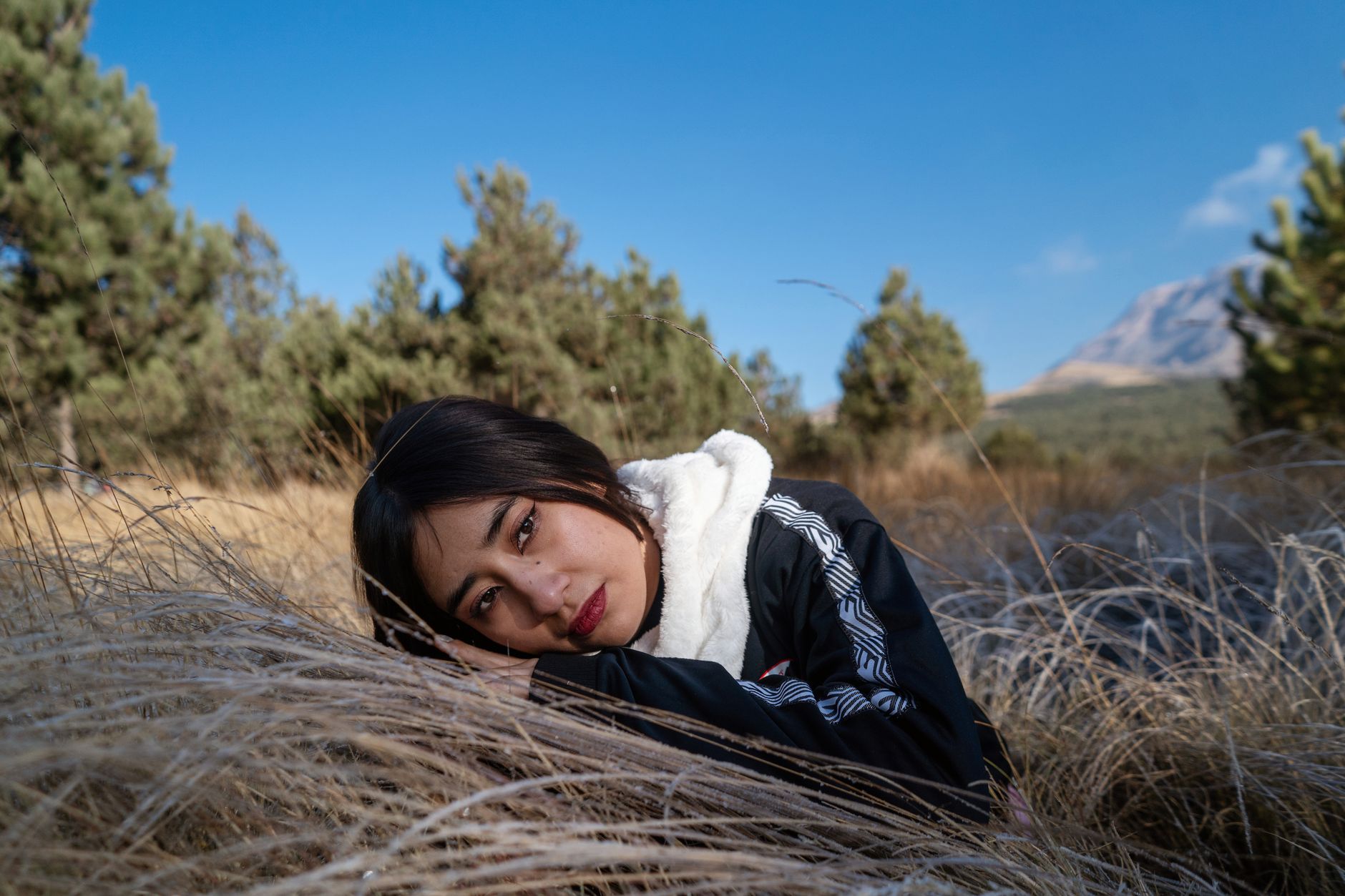
The Importance of Working Distance in Children's Portraits
When photographing children, the working distance imposed by a specific focal length is critical. With 85mm lenses, the photographer must stand further from the subject, which can be less invasive and allow the child to feel more at ease. Shorter focal lengths, like 35mm, require a closer approach to the subject, which permits better capture of interactions and the child's naturalness. It's advisable to adjust the focal length according to the child's age and behavior to achieve the best results.
Practical Comparison of Focal Lengths 24/35/50/85/135/200 mm
Each focal length has its specific characteristics: - 24mm offers a wide field of view, great for street photography, but risks distortion. - 35mm is suitable for environmental portraits, maintaining proximity, but with less shape degradation. - 50mm is regarded as versatile, ideal for multifunctional use. - 85mm is a classic for portraits, providing good background compression. - 135mm offers discreet background isolation, particularly valuable for fashion photography. - 200mm is excellent for sports and wildlife, clearly separating the subject from the background.
Creative Use of 'Unconventional' Lenses
Very interesting effects can be achieved by choosing unconventional focal lengths for portraits, such as 16mm. While not obvious, this allows for capturing the urban context around the subject. Such effects can be intriguing, showing not only the portrait but also the atmosphere of the surroundings. However, this approach requires skill in managing distortions and bold composition management—wide angles can yield extraordinary effects in the hands of an experienced photographer.

Common Pitfalls for Beginner Photographers
Three of the most common mistakes made by beginner photographers are: 1. Using too wide a lens for facial portraits, resulting in unpleasant image distortions. 2. Employing too long focal lengths in tight spaces, limiting movements and composition. 3. Failing to consider background compression—misusing various focal lengths can negatively affect the final composition.
How Picvelo Can Help
Picvelo is the perfect tool for managing portrait photos—from selection to delivery to clients. The platform enables the creation of client galleries, making it easier to showcase your work and save time on print order management. It’s essential to conclude extensive work on focal lengths and portraiture with a professional presentation and file delivery—Picvelo meets these needs. Check our pricing and find the plan that suits you!
How Picvelo Can Help
Picvelo is the perfect tool for managing portrait photos—from selection to delivery to clients. The platform enables the creation of client galleries, making it easier to showcase your work and save time on print order management. It’s essential to conclude extensive work on focal lengths and portraiture with a professional presentation and file delivery—Picvelo meets these needs. Check our pricing and find the plan that suits you!
Summary
By choosing the right focal length, you can significantly impact the results of your portrait photos. Understanding how they project proportions and perspective is key to creating images with the desired effect. We encourage you to experiment and discover your preferences using our photo management platform. homepage
FAQ
What focal length should I choose for portraits?
For classic headshot portraits, it is recommended to use focal lengths of 85mm to 135mm for their natural proportions and background compression. However, don't hesitate to try different focal lengths to explore new effects.
Is 24mm suitable for portraits?
Yes, but mainly for environmental or artistic portraits aimed at connecting the subject with their surroundings. The effects can be interesting but require skillful management of image distortions.
What does background compression mean?
Background compression, characteristic of longer focal lengths, visually brings the background closer to the subject, creating the effect of a soft, uniform background and emphasizing the subject.
Why are lens distortions a problem in portraits?
Distortions, such as barrel distortion, can elongate facial features, which can be unappealing in close-up portraits. Avoid wide-angle lenses for typical portrait shots.
Which lens is better for children's photos—35mm or 85mm?
Both are effective depending on the situation. 35mm is good for close contact and natural interactions, while 85mm provides more space, which can increase the child's comfort.
Is using a telephoto lens in tight spaces a good idea?
Avoid long focal lengths in small spaces, as they limit movement and composition, which can make achieving the desired effects more difficult.