
Off-camera flash photography opens a whole new world of artistic possibilities. By removing the flash from the camera, you can creatively mold light and create images with a more varied atmosphere. However, this technique may seem complicated and daunting for beginner photographers. In this article, we will explore how to easily and effectively use a single flash light source, what settings are best to start with, and what equipment to choose. Applying the tips presented here will enable you to take more professional portrait photos from your very first attempts.
Introduction to Off-Camera Flash
Off-camera flash is a technique where the flash is separated from the camera and can be placed in various locations relative to the subject. This is particularly useful in portrait photography, where the direction and intensity of light can significantly impact the final appearance of the photo. Using the flash away from the camera allows for creative experimentation with lighting, adding dynamism and depth to the images.
Ways to Trigger the Flash
To use the flash off-camera, you need a triggering system. Popular solutions include radio triggers like Godox X2T, Profoto Connect, or the original Canon ST-E10. These devices enable remote triggering of the flash and synchronize it with the camera. A good radio trigger should be reliable and easy to use, making it worth investing in a model from a reputable brand.
TTL Mode vs Manual Mode
TTL (Through the Lens) technology automatically adjusts the flash power based on the light measurement by the camera's internal equipment. It is ideal for beginners who are still unsure of manual settings. However, manual mode allows for greater control over the final effect, adjusting light flow to one's artistic needs. To start, you can use TTL mode to understand how light works, then switch to manual mode to experiment.

High-Speed Sync (HSS)
HSS, or High-Speed Sync, allows for shooting at short shutter speeds using the flash. This is useful when working in bright daylight, where you want to use a wide aperture to achieve a shallow depth of field. With HSS, you can use shutter speeds much shorter than the standard 1/200–1/250 seconds, providing greater artistic freedom.
Flash Power and its Impact on Photos
Flash power is often expressed in watt-seconds (W·s) or via the Guide Number. The higher the power, the more light you can deliver to the scene. For beginners, a flash unit with around 200-400 W·s will be sufficient for most uses, both indoors and outdoors. It's important to master control over the flash power as it directly impacts the composition and mood of the photograph.
Practical Single-Light Setup
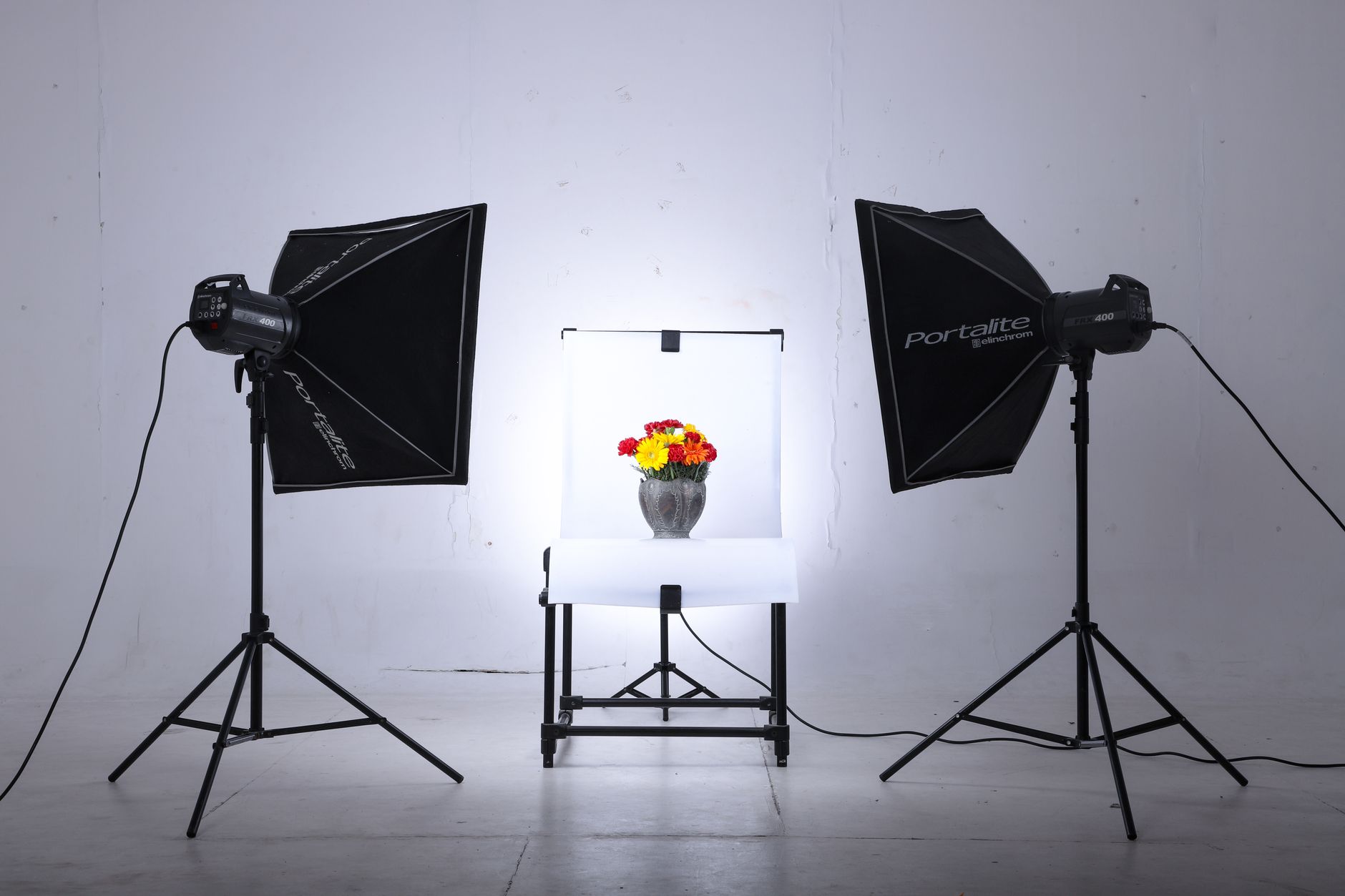
A key starting setup is to place the flash at a 45-degree angle to the model, slightly above head level. The light should be equipped with a softbox measuring 60-80 cm in diameter or a larger umbrella for softer light. Set the background to be two stops darker, using, for example, a lower continuous light value or a reflector. This setup helps concentrate attention on the model.
Practical Camera and Flash Starting Settings
Begin by setting the camera to manual mode with a shutter speed of 1/200 sec, aperture of f/5.6, and ISO 200. The flash should be set to 1/8 power in manual mode to avoid overexposing the scene. Exposure can be adjusted by increasing or decreasing the power of the flash or changing its distance from the subject. The first test shot will provide insight into the balance of light and darkness in the photo.
Light Modifiers: How They Affect Images
Among popular light modifiers are an 80 cm white umbrella, a 90 cm octagonal softbox, and a 55 cm beauty dish, each with unique properties. An umbrella diffuses light, giving a soft, overall effect, while a softbox provides more concentrated light, ideal for portraits. A beauty dish adds a characteristic, slightly cool light, great for beauty and glamour photography.
How Picvelo Can Help
With Picvelo, sending photo galleries to clients becomes simple and efficient. Thanks to professional galleries, you can easily showcase your work, and clients can quickly and safely select images for prints. Secure your work with watermarks and enable fast purchases through the integrated sales platform. Check available plans pricing.
Summary
Mastering off-camera flash techniques opens new possibilities in portrait photography and allows you to create exceptionally high-quality images. Practice is key, so don't hesitate to experiment with settings and equipment. With Picvelo, sharing your work and providing excellent service to your clients is easy. pricing
FAQ
Do I need expensive equipment for off-camera flash?
No, starting with off-camera flash doesn’t require costly investments. A basic setup with a flash unit and a simple radio trigger allows effective experimentation with lighting for just a few hundred dollars.
Which is better: TTL or manual mode?
For beginners, TTL mode is helpful as it automatically adjusts flash power. However, manual mode offers more control, making it better for advanced users seeking creative impact on their photos.
What are the advantages of using HSS?
HSS allows for shooting with shorter shutter speeds in bright light, which is invaluable for outdoor sessions using a wide aperture and helps maintain a shallow depth of field.
Which flash unit should I choose as a beginner?
For beginners, flash units with 200-400 Ws are a good option, offering appropriate light intensity for various shooting situations. It's also important to consider their cost and compatibility with accessories.
Do I need a specialized radio trigger?
Yes, a good quality radio trigger is essential for syncing the flash with the camera. Recommended brands include Godox, Canon, and Profoto, known for their reliability and ease of use.
How should I position the flash for the best effect?
Place the flash at a 45-degree angle to the model and about 30 cm above head level. Using a softbox or umbrella will provide soft, even lighting that draws attention to the model.
Comments (0)
No comments yet. Be the first!