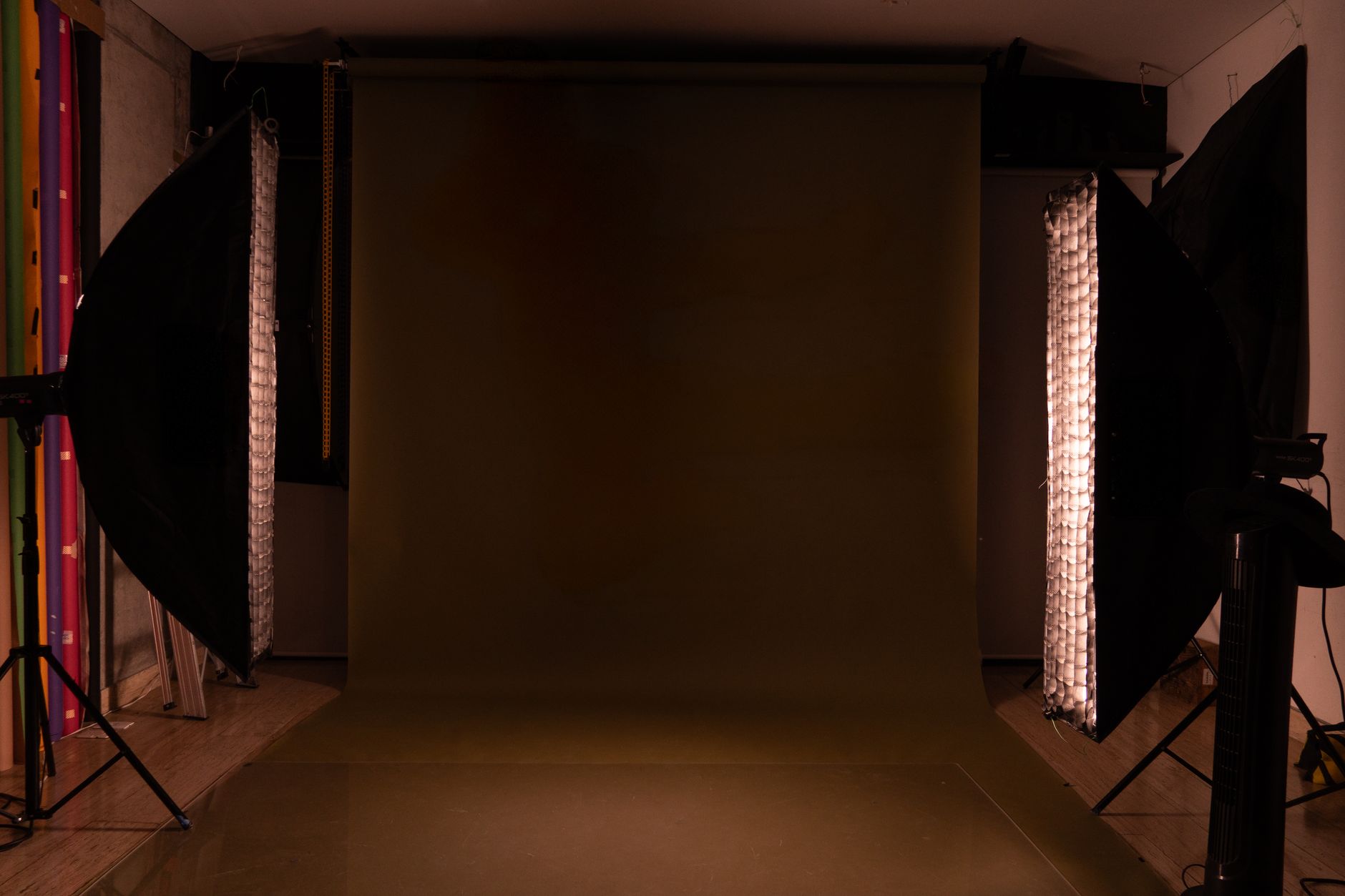
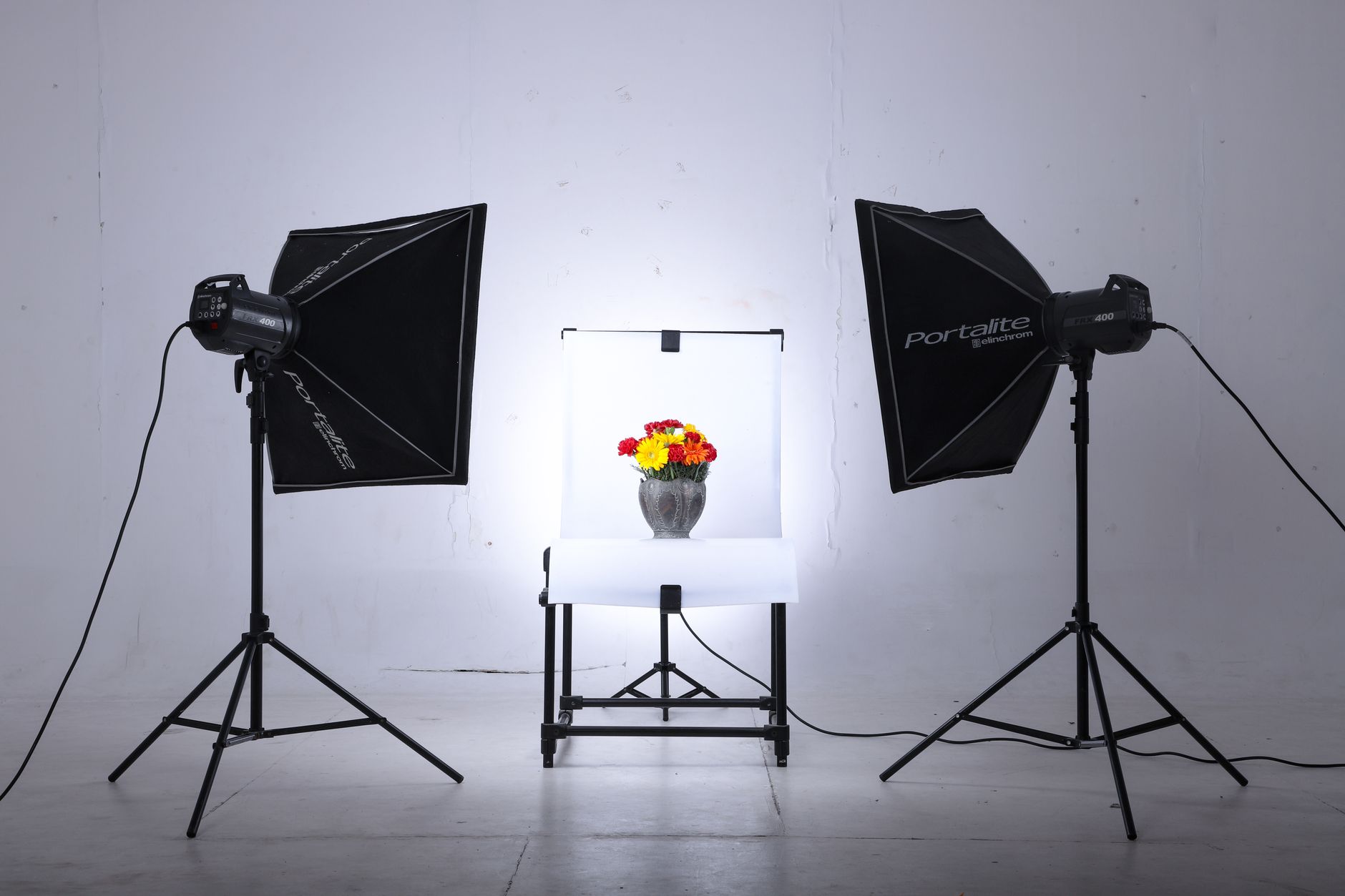
Light modifiers are invaluable tools in every studio photographer's arsenal. Their primary role is to control the quality and direction of light, which affects the mood and character of the image. The size, shape, and material of the modifier can significantly alter the final effect. Therefore, it is essential to choose the right modifier for a specific assignment. In this article, we will discuss the most popular modifiers such as softboxes, umbrellas, and beauty dishes, and present practical applications that will help you select the best solutions for your studio.
Why Light Modifiers Are Important
Light modifiers allow for precise shaping and control of light in a photography studio. The size of the modifier affects the softness of the light: the larger the modifier, the softer the light, which is ideal for subtle portraits. The shape of the modifier influences how the light reflects in the model's eyes — this is known as catchlight. The material from which the modifier is made affects the color temperature and saturation, which also has an impact on the final photographic effect.
Rectangular Softbox
The rectangular softbox is a classic choice for portrait photographers. Its shape resembles the natural rectangular shape of windows, giving images a natural look. The light from the softbox is evenly diffused, and the soft shadows add depth to portraits. Placing the softbox close to the model increases the softness of the light, creating gentle tonal transitions. For example, a classic 60x90 cm softbox is often chosen for women's portraits, allowing for subtle and natural lighting effects.
Octagonal Softbox
The octagonal softbox, also known as an octa, is an ideal choice for photographers seeking soft lighting and round reflections in the model's eyes. Its shape creates more natural light reflections, which works perfectly in beauty photography. A 120 cm diameter softbox is a popular choice that can be positioned above the model to achieve soft, evenly distributed light. The octa is especially recommended for children's portraits and beauty shots where every detail must be captured delicately.
Transparent Umbrella
The transparent umbrella is one of the most common modifiers. Its popularity comes from its ease of use and versatility. The umbrella acts like light-diffusing layers, allowing for quick acquisition of soft and even lighting. It is an ideal solution for situations where limited time does not allow for complicated setups. However, it is important to remember that the umbrella absorbs more light than other modifiers, which may require increasing the power of the flash.
Reflective Umbrella
An alternative to the transparent umbrella is the reflective umbrella, which offers greater control over the direction of light. With its reflective surface, light is more concentrated and less diffused, allowing for better control over the lighting of the main subject on set. This is particularly useful when working on portrait or product photography, where detailed lighting of selected elements in the scene is crucial.
Beauty Dish
The beauty dish is a modifier particularly valued by fashion and beauty photographers. Its design generates light that is both soft and contrasty, giving images exceptional plasticity. The typical diameter of a beauty dish is around 55 cm, and the additional use of a honeycomb grid allows for focusing the light on the model's face, eliminating unwanted light spill in the background. It is an ideal tool for portraits that highlight skin details and flawless makeup.
Strip Box
The strip box, a narrow softbox with an elongated shape, is an excellent light modifier when we need to precisely illuminate specific parts of the subject, such as along the body's edge or product. Its narrow beam of light is perfect for contour lighting, emphasizing the curves and details of the model or product. Strip boxes are often used in situations where precise edge lighting adds dynamism to the images.
Choosing Your First Modifier for a Home Studio
For those starting their journey in studio photography, choosing the first modifier can be challenging. A good universal solution is a reflective umbrella with a diameter of around 100 cm, which represents an economical choice under 300 PLN. This type of modifier is easy to use and versatile enough to handle both portraits and small product shoots. As your skills develop, it is worth adding more advanced tools to your arsenal like softboxes, beauty dishes, or strip boxes.
How Picvelo Can Help
Picvelo helps in effectively managing photos from studio sessions. With our platform client photo selection, you can easily select the best shots and present them to clients in an elegant online format. This is a convenient way to deliver and also sell prints with a watermark online watermarking, providing additional protection for your work.
Summary
Choosing the right light modifiers is key to achieving desired effects in studio photography. With a limited budget, start with simple umbrellas, and then expand your arsenal with more advanced modifiers like softboxes or beauty dishes. Proper lighting is an art in itself, and experimenting with various techniques allows for reflection and the growth of a photographer's creativity. Discover more tools to ease your work at pricing.
FAQ
How much does a basic softbox cost?
The cost of a basic softbox typically ranges from 100 to 300 PLN, depending on its size and quality. It's worth investing in more expensive models with better materials for the diffusers.
Is it worth buying a beauty dish for portraits?
Yes, a beauty dish is a great choice for portraits and beauty photography. Its unique ability to highlight skin and makeup details makes it prized by fashion photographers.
How often should I replace light umbrellas?
The lifespan of an umbrella depends on its quality and frequency of use. Under good conditions, an umbrella can last for several years, but it's important to monitor the condition of the material.
Which is better: a transparent or reflective umbrella?
The choice depends on the effect you want to achieve. A transparent umbrella provides wide diffusion, while a reflective one offers more controlled, concentrated light.
What auxiliary accessories should be included with modifiers?
Useful accessories include voile/diffusers for additional softening of the light, 5-in-1 reflectors for controlling reflected highlights, and flags for blocking unwanted light.
Can light modifiers be used outdoors?
Yes, modifiers can be used outdoors, but they require proper securing against wind and stable mounting. Umbrellas are popular for outdoor shoots.
Comments (0)
No comments yet. Be the first!