Having a second camera body at a wedding is not a luxury, but a necessity. Imagine the moment when the father walks the bride down the aisle—a moment that cannot be missed. The photographer must be ready at every second, and two bodies ensure that readiness. In this article, you'll learn why a backup camera is so important and the benefits it offers during wedding photography work.
No Time to Change Lenses
One of the most important reasons for having a second camera body at a wedding is the lack of time to change lenses. Every second is precious when the photographer documents key moments of the ceremony and reception. With two cameras, you can easily switch from wide-angle shots of group scenes to close portraits without pausing to change lenses. With only one body, every extra movement carries the risk of missing valuable moments. Two bodies allow for quick switching between different styles and perspectives, which is crucial in the dynamic conditions of a wedding. This way, we can focus on capturing emotions and immortalizing every moment in the best possible light.
Backup in Case of Malfunction
Wedding photography is a field where there is no room for technical errors. A second camera body serves as an invaluable safeguard in case of equipment failure. During intense work, issues such as memory card damage or unexpected shutter failure might arise. Having two cameras is a foundation of security that enables immediate continuation of work and protection of material. The photographer doesn’t waste time trying to fix the equipment or miss any shots. This approach increases the client's confidence, knowing that regardless of circumstances, we will complete the job with the delivered material. This eliminates the risk of data loss, which can be critical in the eyes of the bride and groom.
Different Focal Lengths Always Ready
Having a second camera allows the photographer to have different focal lengths ready at any moment. With this configuration, the photographer can have a 24-70 mm wide-angle lens mounted on one camera for capturing general scenes, and a 70-200 mm telephoto lens on the other, perfect for portraits and close-ups. This provides flexibility that no other solution can offer. The photographer can quickly change perspectives and convey the atmosphere of the venue without constantly changing lenses. This facilitates the multi-faceted documentation of the event, delivering clients a diverse selection of images that showcase different faces of their most important day.

Different Settings for Different Effects
During a wedding, the variety of scenes often requires different approaches to capturing them. A second camera body allows for simultaneous maintenance of two different settings, which is particularly useful in changing lighting conditions. One camera can be set to black and white mode to capture subtle emotions and a documentary style, while the other remains set to color. This way, without changing modes, the photographer can immediately respond to changes in aesthetics. It also allows for quick switching between various white balances or ISO sensitivity levels, which is crucial in a rapidly changing environment and allows for achieving the desired effects without wasting time.
Lens and Sensor Protection
Constantly changing lenses on one body not only consumes time but also increases the risk of dust entering the camera, which can affect the quality of photographs. Two bodies help avoid this problem. Each lens is permanently assigned to one body, minimizing the risk of sensor contamination. In the wedding buzz, often working outdoors, protecting the equipment is key. Keeping one body clean and free from dust ensures image quality and sharpness, directly impacting the final effect of the photographer's work.
Equipment Configurations Depending on Style
The choice of two camera bodies and lenses is dependent on the photographer's style. For classic compositions, a pair of prime lenses, 35 mm and 85 mm, is often chosen, effectively capturing natural proportions. A versatile style might use zooms 24-70 mm and 70-200 mm, allowing for easy adjustment to changing conditions and frames. Documentarians might prefer a combination of 35 mm with a long zoom to easily transition from wide to detailed shots. It’s important to carefully consider which options best align with your personal approach to wedding photography to efficiently utilize available equipment resources.
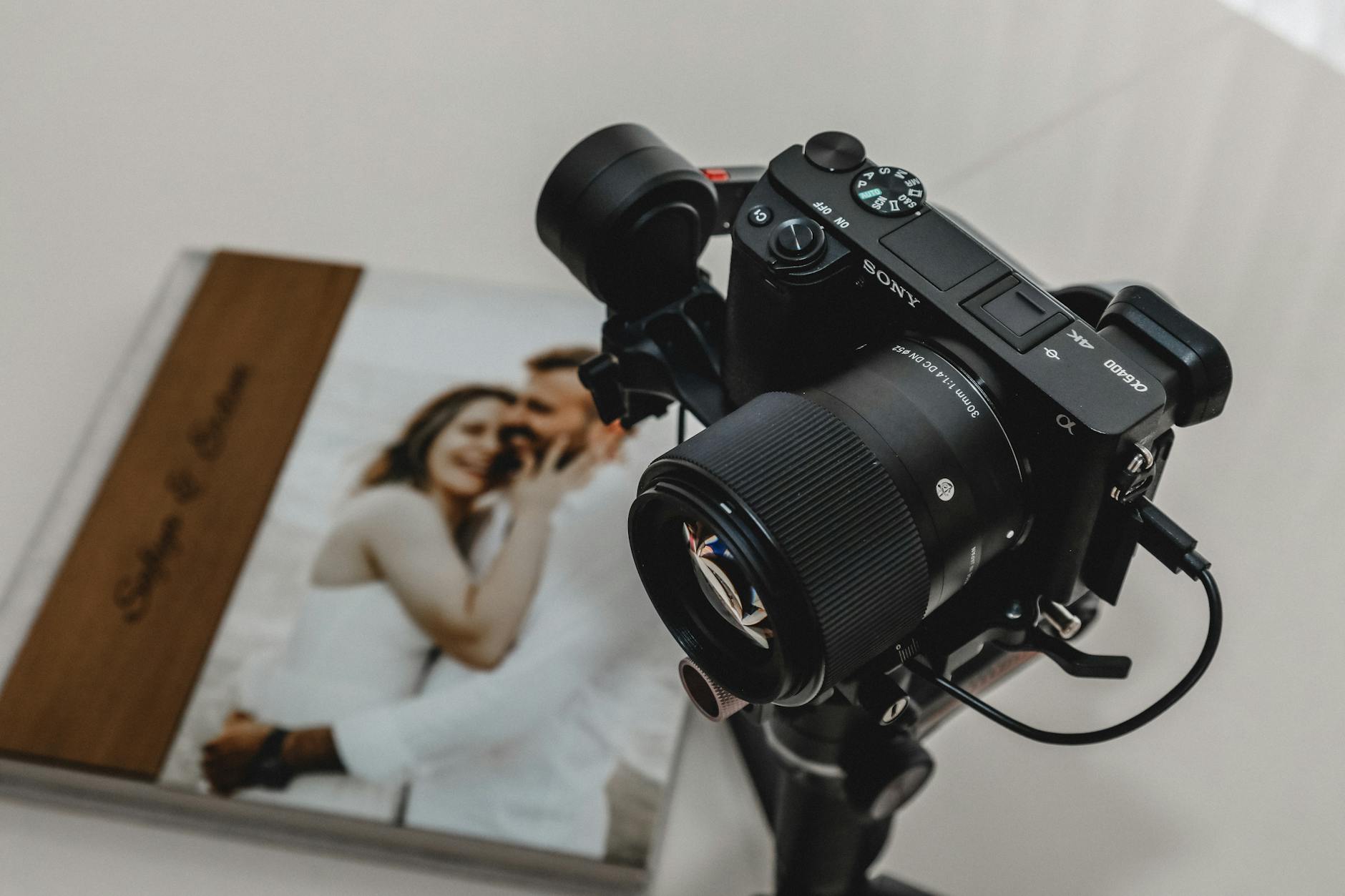
Mounts for Comfort and Safety
Working with two cameras also requires appropriate mounts that ensure comfort and safety while taking photos. One popular solution is the Holdfast MoneyMaker camera harness, which not only looks stylish but also provides stability while working. There are also more tactical options available on the market, such as the Cotton Carrier Skout G2, which offers a compact design, or BlackRapid Double Sport straps that distribute weight well. It’s important to choose an option that fits your working style and ensures comfort throughout the long wedding ceremony. The choice of carrying equipment impacts not only comfort but also the safety of valuable photographic gear.
Data Safety and Dual-Card Storage
Modern camera bodies often offer support for simultaneous data recording on two memory cards. This feature provides an additional layer of security when working as a wedding photographer. In the case of one card failing, all photos are still preserved on the other, eliminating the fear of losing material. This is particularly important during assignments where there’s no chance for retakes. With dual-card recording, the photographer has peace of mind knowing that every shot is secured. It is advisable to save RAW files on both cards, which simplifies later processing in programs like Lightroom. Having a copy of each photograph is key to a good night’s sleep after a job and the client’s peace of mind.
How Picvelo Can Help
Picvelo provides the perfect platform to showcase and select wedding photos, with the ability to create client galleries. With Picvelo, you can easily deliver photos, secure them with watermarks, and facilitate print sales. Check out our site pricing to see how we can make your process more efficient.
Summary
A second camera body is essential for a wedding photographer, providing flexibility and security. Make sure you're prepared for any situation and invest in the right gear to deliver stunning photos for every couple. Be sure to check out other posts on FAQ.
FAQ
Is it worth investing in a second camera body?
Yes, investing in a second camera body is worth considering for every wedding photographer. Two bodies provide flexibility, security, and the capability to capture different perspectives in every moment.
What focal lengths are best for wedding photography?
The choice of focal length depends on the photographer's style and preferences. Popular combinations include 35 mm and 85 mm for portraits, and 24-70 mm and 70-200 mm for greater versatility.
What equipment configuration should I choose for a wedding?
The choice of equipment configuration depends on your personal style. A classic option is prime lenses 35 mm and 85 mm, while a versatile setup includes zoom lenses 24-70 mm and 70-200 mm.
What happens if the camera fails during a wedding?
Having a second camera body at a wedding reduces the risk of interrupting work due to camera failure. You can immediately switch to the backup camera and continue shooting.
Is using dual memory cards a good idea?
Yes, using dual memory cards provides additional data security. Save RAW files on both cards to avoid data loss if one card fails.
How do I choose the right mount for two cameras?
When choosing a mount, consider your working style and comfort. Popular options include Holdfast harnesses, BlackRapid straps, and Cotton Carrier tactical systems.