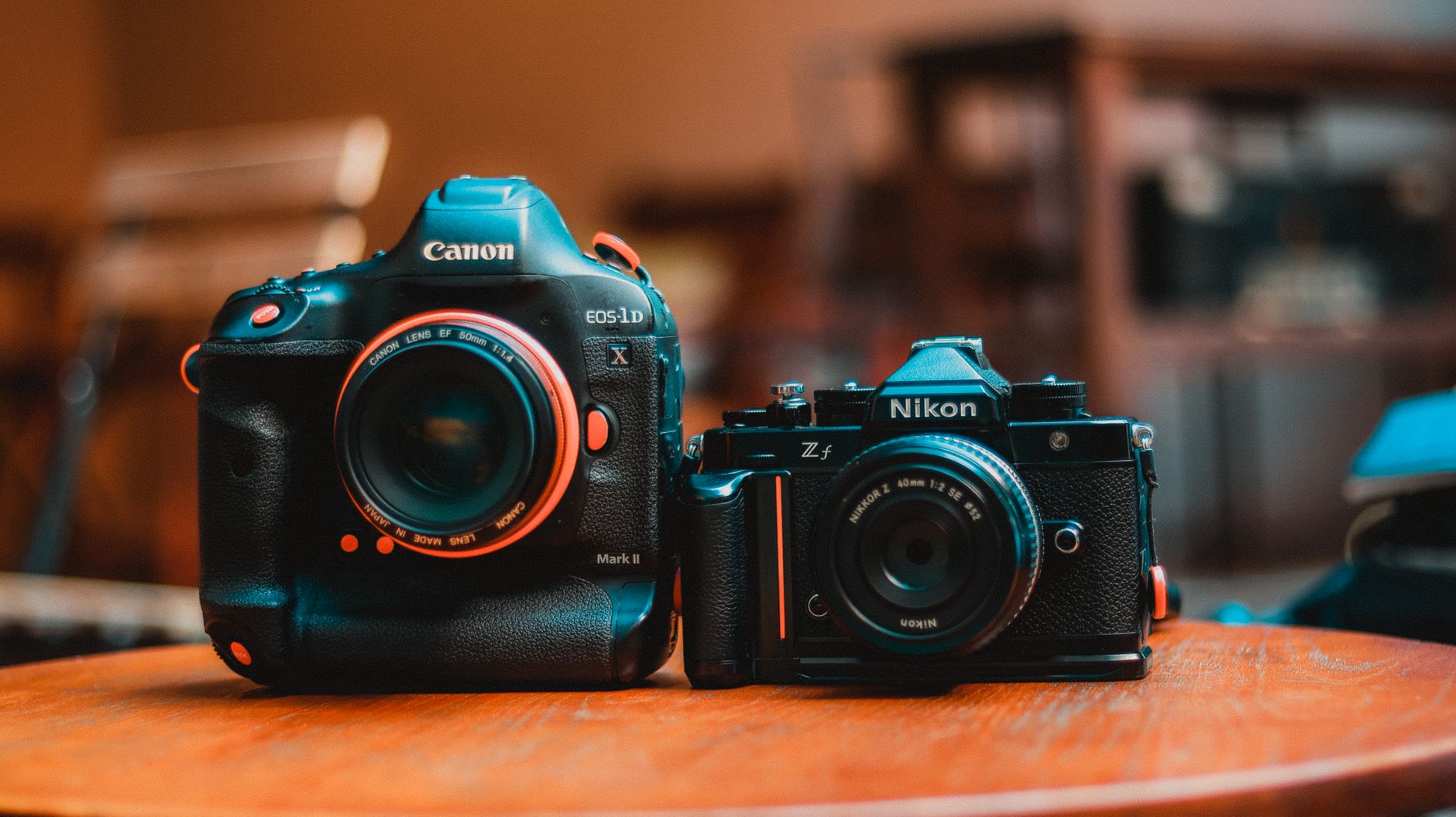
The year 2026 brings a clash between traditional photography and modernity. While many manufacturers have focused on mirrorless cameras, the choices made still hold significant weight for every photographer. DSLRs, despite being on the defensive, continue to offer invaluable advantages. On the other hand, mirrorless cameras dominate the market for photographic technology. In this article, we will analyze both systems, their pros and applications, to enable a well-informed choice of equipment tailored to individual needs.
Why DSLRs Still Make Sense
Digital Single-Lens Reflex cameras (DSLRs) maintain their relevance thanks to unique features that attract both professionals and amateurs. The greatest advantage of DSLRs is their unmatched battery performance, allowing for 2-3 times more photos on a single charge compared to the average mirrorless camera. Additionally, access to a wide market of used EF and F mount lenses is not only economical but also allows for experimentation with traditional photography techniques without worrying about equipment availability. For many photographers, the feeling of using a classic optical viewfinder, which offers a direct view without any lag (the so-called EVF lag) and flickering issues in low light, is crucial. The traditional 'feel' of working with a DSLR remains appealing and is an integral part of the experience, hard to find in modern mirrorless systems.
Advantages of Mirrorless in Modern Photography
Undoubtedly, mirrorless cameras have taken over the market of modern photography. One of their main advantages is their lightweight design — about 30% lighter than traditional DSLRs, making them exceptionally portable. With electronic viewfinders (EVF), photographers can observe the results of exposure settings in real-time, greatly facilitating framing and quick adjustments. Eye-Detection AF makes capturing lively emotions in portraits a breeze, and full image stabilization (IBIS) helps eliminate camera shake directly in the body. This is particularly valuable when shooting in challenging conditions.
Cost and Equipment Availability for 2026
In 2026, the price and availability of equipment are key factors influencing the choice between a DSLR and a mirrorless camera. Used DSLRs, like the Canon 5D IV or Nikon D850, are available at attractive prices ranging from 5000 to 7000 PLN. This makes them an excellent choice for budget-conscious photographers while also enabling access to a wide array of affordable lenses. High-end mirrorless cameras, such as the Sony A7 IV or Canon R6 II, cost between 12000 and 18000 PLN for just the body, but offer the latest technological solutions. New entry-level mirrorless models, like the Canon R10 or Nikon Z50, are available starting at around 4000-6000 PLN with a kit lens, making them accessible for those beginning their photography journey.
Practical Uses — What Gear for Which Tasks
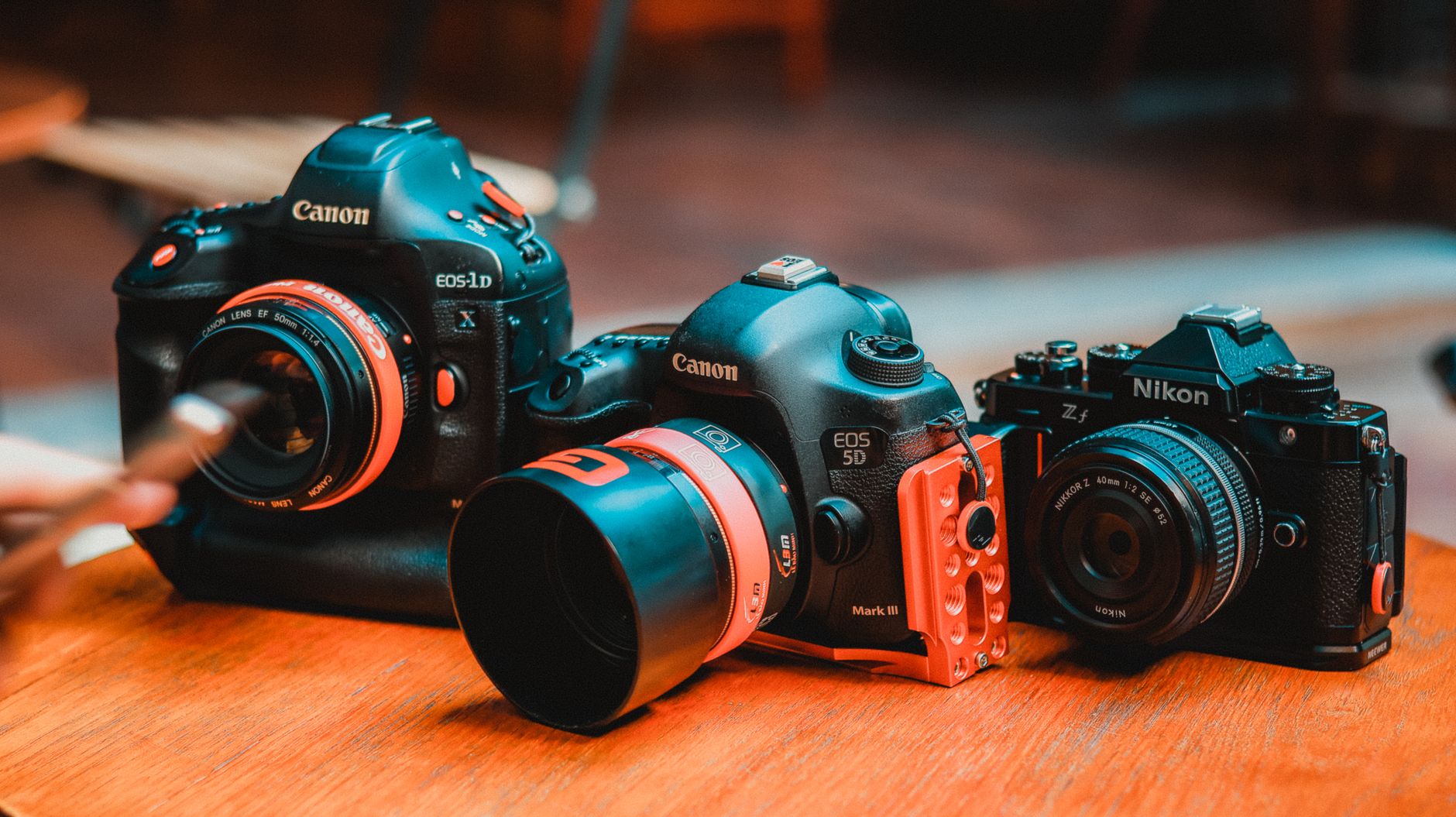
Choosing photographic equipment should depend on the specifics of assignments and expectations. For novice photographers and enthusiasts, entry-level mirrorless cameras like the Sony A6400 make a good starting point, offering straightforward technological solutions at an accessible price. Professionals who earn through photography should consider investing in advanced mirrorless systems due to their versatility and forward-looking perspective. Fashion and creative photographers will appreciate the video capabilities of mirrorless systems, while photojournalists and wildlife photographers may find it difficult to give up the long battery life and intuition of classic DSLRs.
Migrating Systems with Ease
Switching entire photographic systems is a decision that requires careful planning. Lens adapters, like Canon EF to RF or Nikon F to Z, allow gradual migration from DSLRs to mirrorless cameras without parting with beloved lenses. It's worth starting this process by investing in a next-generation body along with one lens from the new system. Selling an old body is an excellent starting point for the transition, while still retaining lenses for transitional use with adapters. This kind of migration allows for a smooth shift while maintaining work continuity.
Camera Equipment vs Mirrorless Dominance
Despite the growing dominance of mirrorless cameras in 2026, DSLRs retain value for certain groups of photographers. DSLR engineering maintains its renowned features, particularly appreciated in sports and wildlife photography, where speed of response and natural light retention play a critical role. It is also worth noting that a segment of the used gear market will always favor DSLRs due to the availability of accessories and add-ons.
Why the Future Belongs to Mirrorless
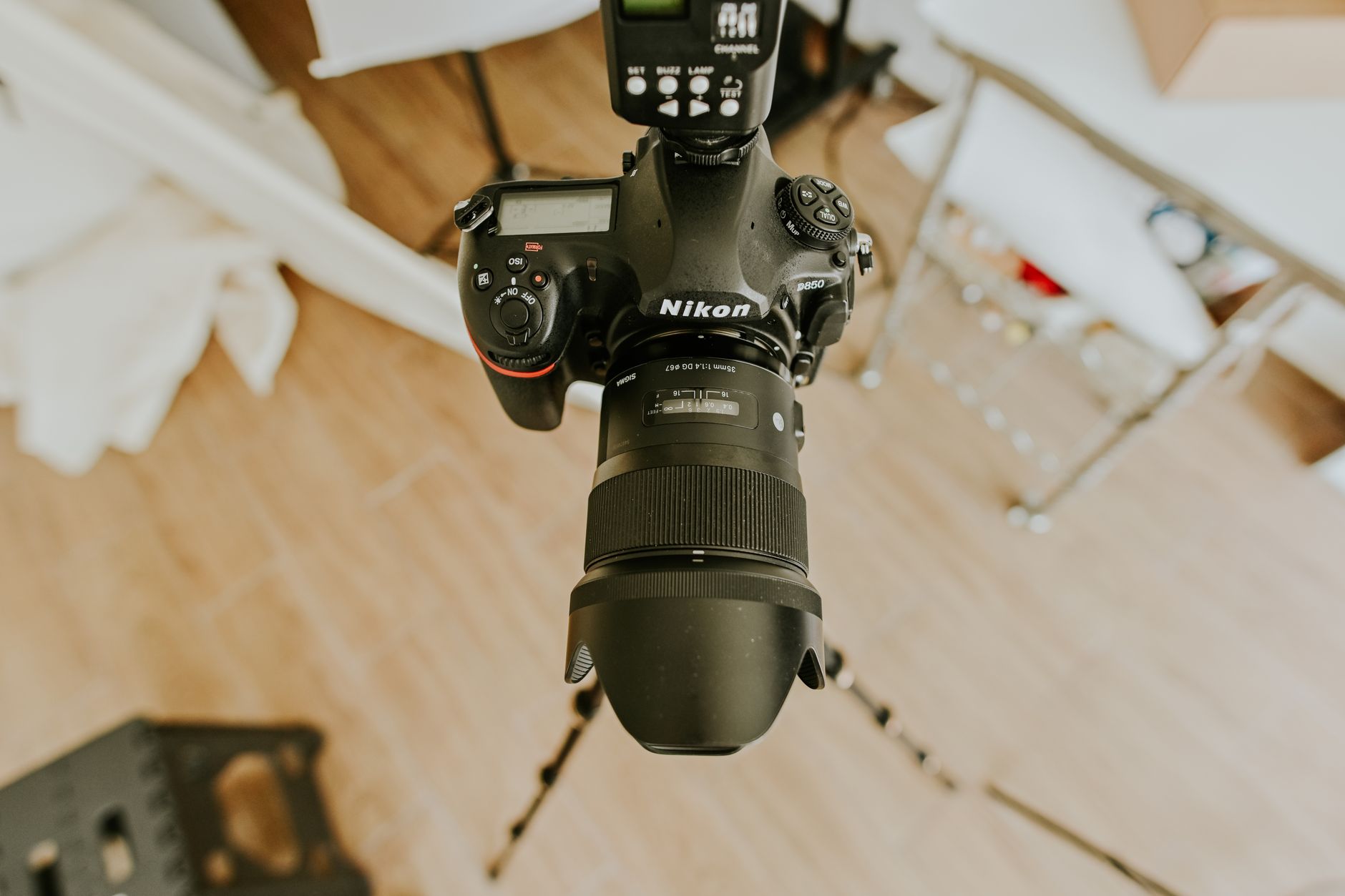
When we think about the future of photography, mirrorless cameras seem to be the only viable path for development. Equipped with advanced technologies, such as autofocus that covers the entire sensor area, they are not just innovative creative tools, but also significantly less prone to failure due to the reduction of mechanical elements like mirrors. For professionals who need to adapt swiftly to changing conditions, mirrorless cameras offer dynamic adjustments to new lighting conditions and modern filming techniques.
Personal Selection Tips
Every photographer should assess their needs before purchasing a camera. While advanced mirrorless technologies are tempting, DSLRs offer a solid alternative for those who appreciate a classic approach and the ability to work for longer periods without changing batteries. Mirrorless cameras offer a broad range of features but may involve higher initial costs. The key is to understand your priorities: whether video quality matters most or if contemporary 'affordability' is essential for less money — every choice has its justification.
How Picvelo Can Help
Picvelo is revolutionizing the way photographers deliver images to their clients. The platform offers an easy-to-use client gallery system, allowing photo selection and printing orders. With intuitive solutions like online watermarking for protecting images, photographers can focus on creativity, while Picvelo takes care of the rest. Check our pricing.
Summary
The decision between a DSLR and mirrorless camera in 2026 depends on individual photographer needs and budget. Each system offers unique advantages that may suit different working styles. Visit FAQ for more information on this topic.
FAQ
Is it worth investing in DSLRs in 2026?
Despite the end of new model production, DSLRs can be attractive due to lower prices for used bodies and lenses, along with long battery life.
What are the main advantages of mirrorless cameras?
Mirrorless cameras offer lower weight, electronic viewfinders with live exposure preview, better autofocus, and are more advanced regarding video.
What is the price difference between DSLRs and mirrorless cameras in 2026?
Used DSLRs start at around 5000 PLN, while premium mirrorless cameras can cost between 12000 and 18000 PLN for new bodies.
Are lens adapters effective?
Adapters, like Canon EF→RF, work well preserving most lens functions, allowing for a smooth transition to the new system.
Which system should a beginner photographer choose?
For beginners, entry-level mirrorless systems like Sony A6400 or Canon R10 are recommended, offering modern features at an accessible price.
Will DSLRs still be developed?
No, most manufacturers have ceased developing new models, focusing on mirrorless cameras, but service support and accessories remain available.
Comments (0)
No comments yet. Be the first!