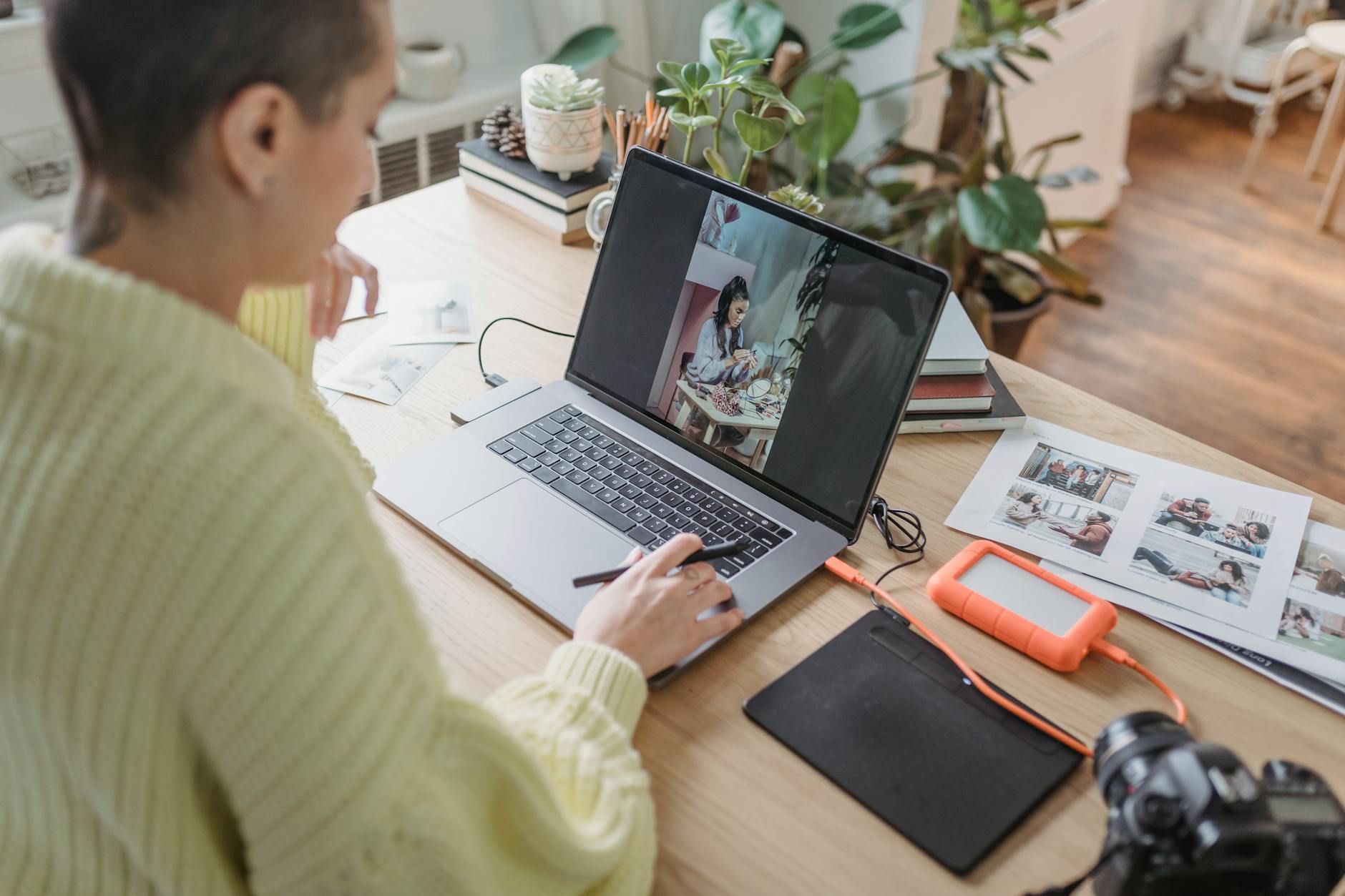
How do you set a photo delivery deadline after a session and adhere to it? This is a question many photographers, both beginners and experienced, often ask. The health of a photography business relies on the ability to manage client expectations and effectively deliver completed work on time. This article will present proven methods for planning deadlines and addressing challenges related to photo delivery. You'll learn how to establish realistic time frames and what steps to take to earn client trust through punctuality.
Realistic Time Frames
Establishing realistic time frames for photo delivery requires considering the type of session, current order volume, and available work time. Portrait sessions typically require 3 to 7 days for processing, family sessions may need a week, and wedding sessions from 4 to 6 weeks. It is crucial that deadlines align with client expectations and your capabilities. Documenting these deadlines in a written agreement with an online gallery delivery date helps avoid misunderstandings.
Limiting the Number of Sessions
To effectively meet deadlines, it’s necessary to limit the number of accepted orders, especially during peak season. An excess of sessions can lead to burnout and delivery delays. Professional photographers carefully plan their schedules, reserving time for editing and client meetings. When creating a work plan, it's also important to include time for unforeseen circumstances like illness or equipment issues, which helps maintain continuity of deadlines.
Workflow with Proofing
Implementing a proofing workflow is an effective way to manage photo editing. It allows you to send clients a selection of photographs in advance so they can choose which images they want fully edited. This method means you only edit selected photos, shortening work time and allowing you to focus on the most important shots. Automated proofing galleries streamline this process and professionalize potential interactions with clients.

Managing Client Expectations
For clients, it's important not just when, but also how information about the session's status is delivered. Open and clear communication builds trust. Regular updates on the progress of photo editing demonstrate that their order is a priority. Project management tools or even simple emails can be effective in maintaining a good relationship. Avoid surprises and keep your promises to build your reputation on solid foundations.
Designing an Effective Workflow
Designing an effective workflow from the outset paves the way for timely photo delivery. Start by setting priorities and editing steps. Learn to use digital tools for task monitoring and work organization. Time management and project management applications can assist in tracking the progress of all orders and reminding you of upcoming deadlines.
Buffer for Revisions
Every photographer knows that unforeseen situations can delay photo delivery. Therefore, it's wise to plan a time buffer for possible revisions and changes. Establish internal mini-deadlines that allow for modifications without exceeding the client's target delivery date. This kind of planning reduces stress and professional risk while helping better manage personal time.
Automatic Notifications for Photo Readiness
A gallery with automated notifications about photo availability can significantly reduce the time needed for customer service after a session. Such solutions not only professionalize the delivery moment but also reassure recipients that the process is on track. Implementing a system that sends notifications when photos are ready for pickup eliminates unnecessary inquiries and enhances the comfort of collaboration.
The Importance of a Written Agreement
Drafting a written agreement at the beginning of your cooperation with a client professionalizes each session and secures both parties. The agreement should include photo delivery deadlines, the number of photos to be delivered, and other important details. Entering such agreements is not just a formality but also a means of protection and a marker of transparency. When things go according to plan, the agreement becomes a tool for building trust.
How Picvelo Can Help
Picvelo helps photographers deliver photos on time by offering online gallery features with automatic notifications of their readiness. With Picvelo, you can professionally manage the delivery of work, track print orders, and implement watermarks for photo protection. Check our pricing to see the full offer.
Summary
Delivering photos on time builds customer trust and strengthens the photographer's reputation. Set realistic deadlines, keep clients informed about progress, and utilize modern solutions like Picvelo to facilitate gallery management. Explore our homepage to discover even better ways to manage your work time.
FAQ
What are the standard delivery times for photos after a session?
The standard delivery time for photos depends on the type of session: portraits take 3-7 days, family sessions a week, and wedding sessions from 4 to 6 weeks. Setting deadlines in the agreement helps avoid misunderstandings.
How can I avoid delays in photo delivery?
To avoid delays, limit the number of sessions during the season, plan a proofing workflow, and set aside time for unforeseen circumstances. Communication with the client about the status of the work is essential.
Is it worth using automatic notifications for clients?
Yes, automatic notifications about photo readiness enhance professionalism and improve communication, reducing client inquiries about delivery status. This solution speeds up closing transactions.
What should be included in the client agreement regarding photo delivery?
The agreement should include photo delivery deadlines, the number of delivered photos, and other key conditions of collaboration. Such documents protect both parties and ensure transparency.
How do I plan a workflow for faster photo editing?
An effective workflow requires setting priorities, organizing editing steps, and using digital tools for time management. Regular use of applications for tracking order progress helps maintain timeliness.
Is proofing photos necessary?
While proofing photos is not mandatory, it is helpful. It allows the client to select their favorite shots for final editing, reducing editing workload and shortening turnaround time.