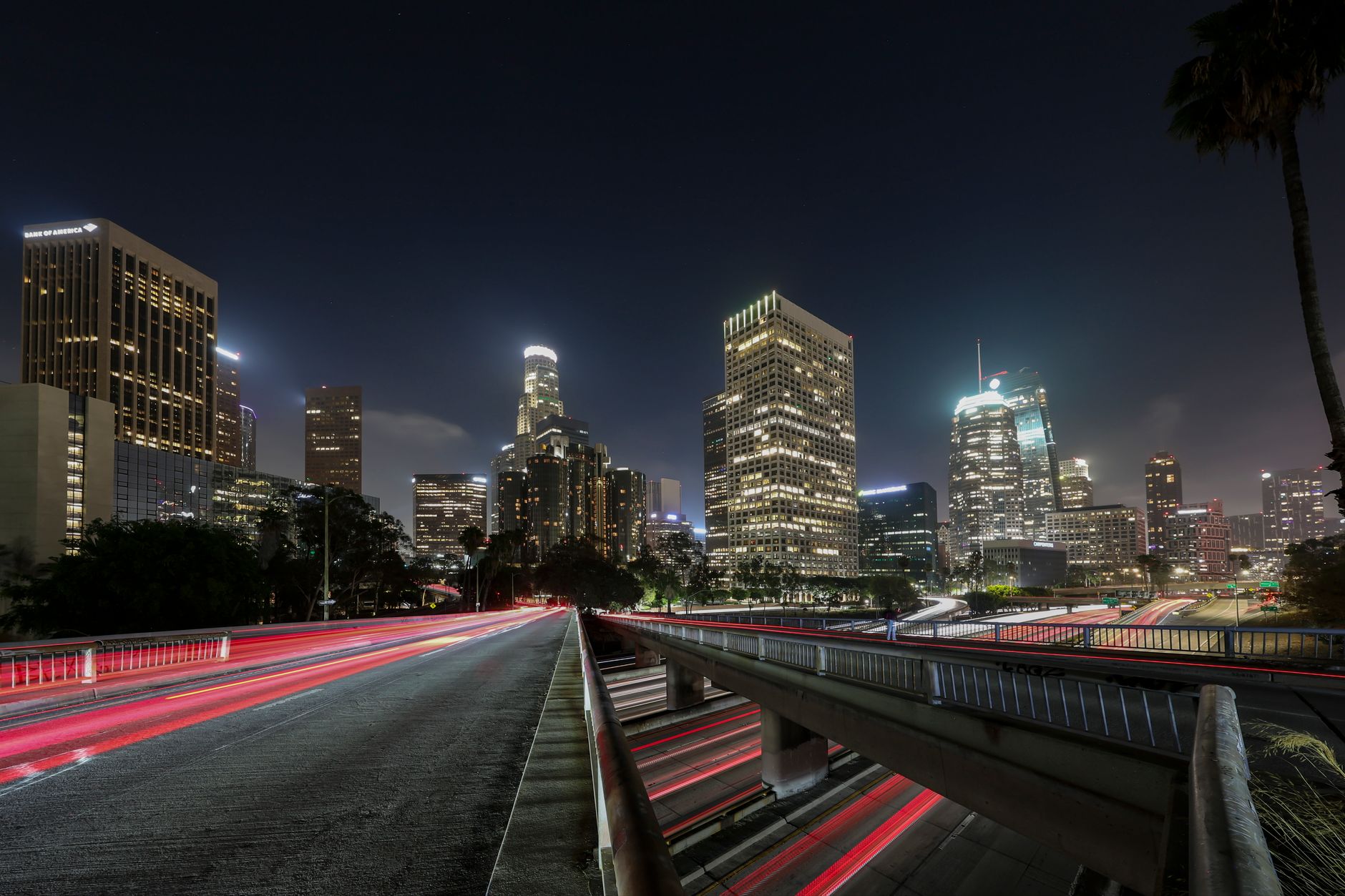
Night photography is a field that fascinates on one hand, while posing challenges for photographers of all skill levels on the other. A key element that can influence the quality of night photos is the ISO value. High ISO allows for capturing images in low light, but it comes with the risk of noise appearing, which can ruin the final effect. Do modern camera technologies allow for capturing clear images even in extreme ISO settings? In this article, we will explore how new generations of sensors help minimize noise and which settings are best suited for different night scenes. We will also look at popular myths associated with ISO and learn how it truly affects night photography.
The Concept of Noise in Photography
Noise in digital photography is an unwanted effect that occurs when cameras operate at high ISO values. It most commonly manifests as grain, disrupting the clarity and detail of the image.
The two main types of noise relevant to photography are luminance noise and chromatic noise. The former is the grain mentioned, while chromatic noise appears most often in the dark areas of photos as unsightly color splotches, reducing the authenticity of the captured colors.
Modern cameras are increasingly better at noise reduction, but it is worth understanding the limits of resolution and ISO to avoid losing image quality.
Comparison of Sensor Generations
Modern sensors, such as those from full-frame cameras of 2026, offer impressive noise reduction capabilities at high ISOs. They allow for clean images at values even as high as 12800-25600.
In comparison, a full-frame model from 2018 provided comfortable use of ISO up to 6400, while contemporary APS-C sensors from 2026 ensure image cleanliness at 6400 and acceptable quality at 12800. Older cameras, with a usable ISO limit of 1600-3200, pale in comparison to new equipment.
It is important to match your equipment to your needs—modern sensors perform better in challenging lighting conditions.
Dual-Gain Sensors and Their Capabilities
One interesting solution in modern cameras is dual-gain sensors, which have two "sweet spots" of ISO where noise reduction is most effective. An example of such a camera is the Sony A7S III, where one of these points is around ISO 12800.
These sensors enhance the camera's performance when shooting in difficult lighting conditions, allowing for detail retention and noise minimization even at high ISO values. This gives the photographer greater flexibility in setting choices and locations for night photos.
A well-chosen ISO value, especially when using a dual-gain sensor, can significantly impact the quality of the final image.

ETTR in Noise Reduction
ETTR, or "Expose to the Right," is a technique that involves setting exposure in such a way that the photo histogram shifts to the right. The goal is to achieve a brighter image that can later be adjusted in post-production, while simultaneously reducing noise in the shadows.
Applying this technique in night photography allows better detail rendition in the dark parts of the image, avoiding issues related to excessive ISO elevation. However, ETTR requires attention during subsequent editing to avoid overexposing the brighter areas of the photo.
It is a tool that can assist in optimally leveraging the capabilities of modern sensors and improving the quality of night captures.
Myth about High ISO in Photography
There are many myths regarding the use of high ISO in photography. One of them is the statement that "high ISO ruins the image." In reality, modern cameras are optimized to work at higher ISO values without drastically losing quality.
Another common belief is that "it's better to underexpose than to raise the ISO." This is untrue, as often the effects of underexposure are worse than a gentle increase in ISO, which modern cameras handle well.
One should also be cautious about the belief that "ISO 100 is always the best"—it all depends on the situation and context of the photograph.
Practical Settings for Night Scenes
Night photography encompasses various situations that require thoughtful camera settings. Here are a few examples:
- Candlelit portrait: set the shutter speed to 1/60, aperture to f/1.8, and ISO to 3200 for soft lighting.
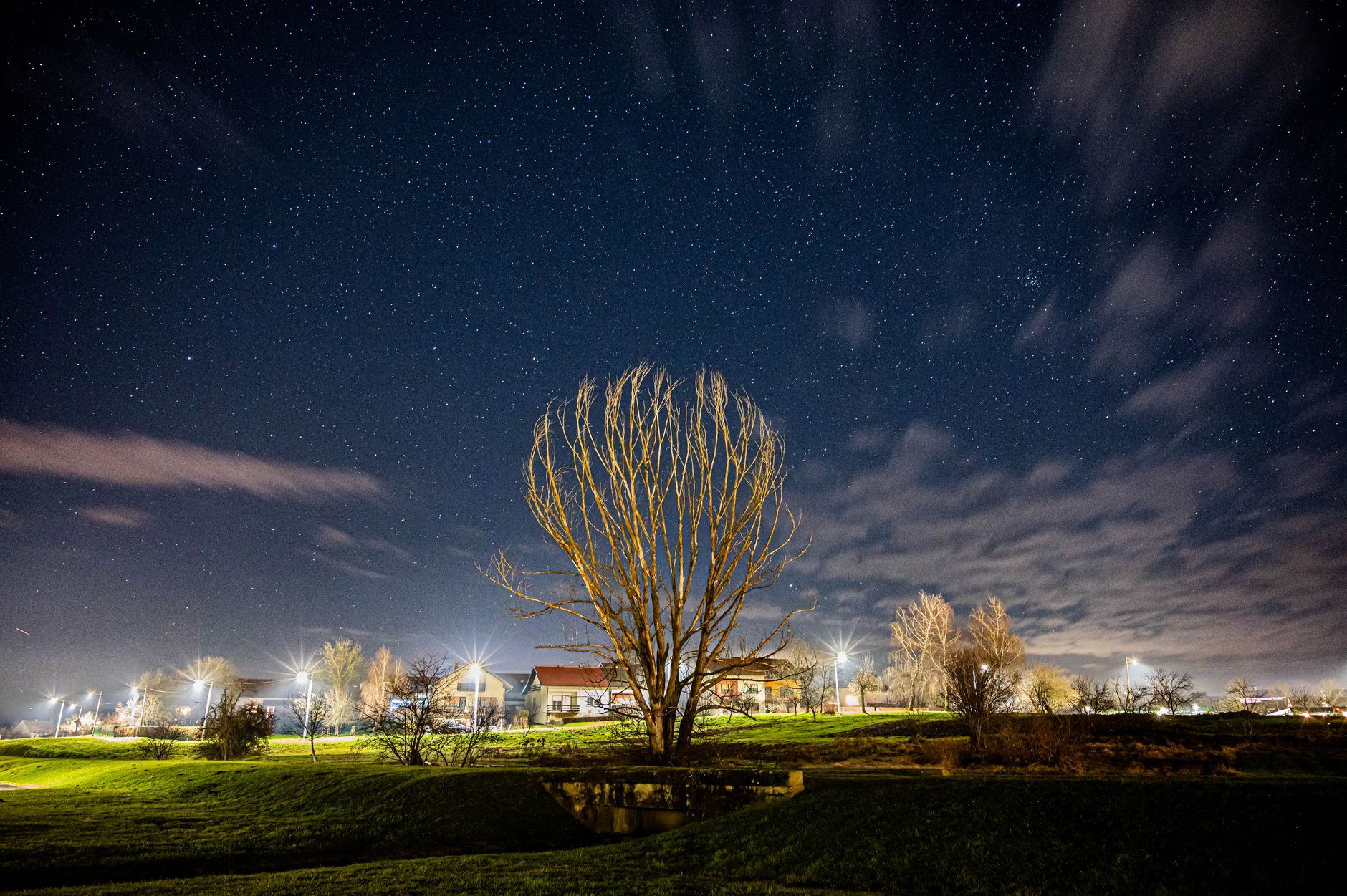
- Milky Way photography: a 15s exposure time, f/2.8 aperture, and ISO 6400 will capture star details.
- Club reportage: use 1/125 shutter speed, f/2.0 aperture, and ISO 6400-12800 to capture dynamic movement.
- Aurora photography: set the time to 5s, aperture to f/2.0, and ISO between 1600 and 3200 for aurora details.
The choice of settings should be tailored to the equipment and the photography goal, taking into account noise reduction capabilities.
Noise Reduction in Post-Production
Noise reduction in post-production is one of the key tools that can save night photos. In Lightroom, the "Detail" panel allows effective management of both luminance and chromatic noise reduction parameters.
There are also specialized programs like DxO PureRAW or Topaz DeNoise that offer advanced algorithms dedicated to noise reduction. They allow for cleaner images, even at very high ISO values.
However, it is important to remember that excessive use of these tools can lead to a loss of detail—noise reduction should be applied with moderation.
Understanding Banding and Detail Loss
Banding is a digital artifact that appears in uniform areas of the image, especially when elevating ISO. It can disrupt the uniformity of the image, particularly in shadows. Moreover, raising the ISO can also lead to detail loss in both bright and dark areas of the photo.
Modern cameras are getting better at addressing these problems, but it is worth being aware and skillfully selecting settings in difficult lighting conditions.
The key is balance—choosing the right ISO and utilizing editing techniques will minimize the adverse effects of banding and detail loss.
How Picvelo Can Help
Picvelo makes working with night photos easier by offering tools for managing client galleries. It helps in selecting the best shots and applying watermarks, protecting your work. Discover how Picvelo can streamline your workflow /.
Summary
When considering night photography, understanding ISO limits and the capabilities of modern sensors leads to better photo quality. With techniques like ETTR and appropriate post-production tools, night photography can be less stressful and more rewarding. Experiment with your gear and see how far you can push the noise limits in your pictures. Use Picvelo to enhance your work /cennik, /faq.
FAQ
What ISO is best for night photography?
It depends on the equipment and scene. In modern full-frame cameras, ISO from 6400 to 12800 can yield clean images.
Is it worth using high ISO in night photography?
Yes, modern sensors handle noise well at high ISOs, helping to avoid underexposure.
Can ETTR help in night photography?
Yes, ETTR allows for optimal exposure settings, which reduces noise in shadows and improves photo quality.
Are dual-gain sensors better for night shots?
Dual-gain sensors have two sweet ISO points, reducing noise at those values, which is beneficial in challenging lighting conditions.
How to reduce noise in post-production?
You can use the Detail panel in Lightroom or specialized tools like DxO PureRAW for noise reduction.
Is ISO 100 always the best choice?
Not always; it depends on the lighting situation and the technical capabilities of the camera.