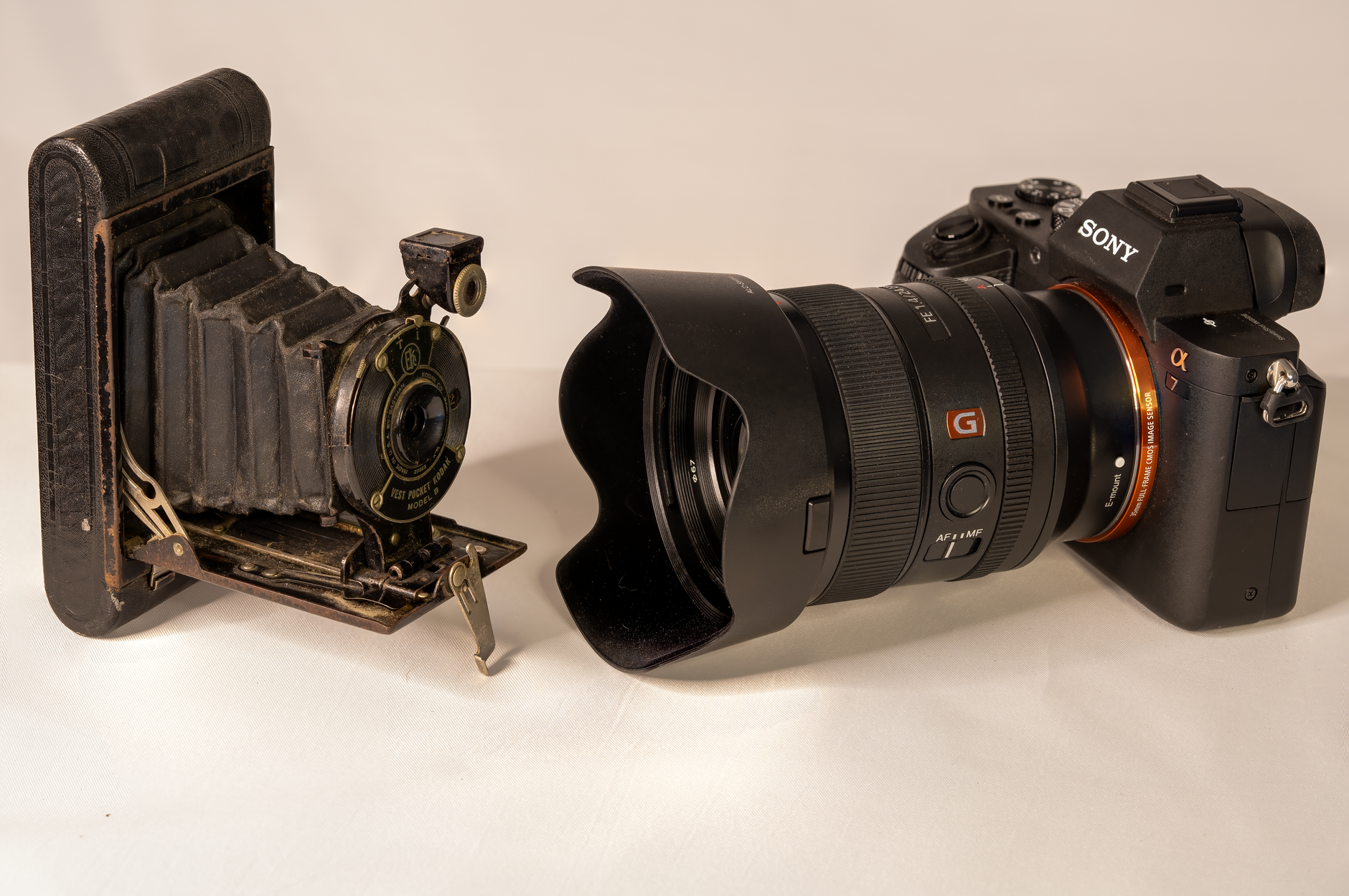
Choosing between Fuji and Sony is often a dilemma for photographers considering new gear. Both brands offer excellent solutions but differ in their approach to technology and functionality. In this article, we compare these two giants of photography, highlighting the advantages and disadvantages of each, so you can select the best option for you. Whether you're a beginner or an experienced photographer, you'll find valuable information to help you make an informed decision.
Brand History and Philosophy
Fuji, known as Fujifilm, has a long history of producing photographic films and transitioning to the digital era. It is characterized by a unique approach to color inspired by film stock palettes. Their cameras often feature unique film simulations that allow photographers to achieve atmospheric photos without the need for post-processing.
Sony, on the other hand, is a technology company with a broad scope that quickly gained a reputation in the mirrorless camera world. The company focuses on technological advancements and innovations that allow users to utilize advanced features such as effective autofocus and high ISO sensitivity. Sony is known for a wide range of cameras that meet the needs of both amateurs and professionals.
Construction and Design
Fuji is renowned for its retro style, reminiscent of classic analog cameras. Users appreciate their ergonomics, with dials positioned to evoke old mechanical cameras. This design makes those accustomed to analog photography feel comfortable even when working with modern gear.
Sony cameras, while less nostalgic, offer a modern design focused on practicality. Their construction is often more compact, making them appealing to travelers or those needing lightweight equipment. Both brands differ in their choice of materials and build durability, which is worth analyzing before a purchase.
Image Quality and Optics
Fuji places a strong emphasis on image quality, a result of their experience in film photography. With unique film simulations, Fuji photography gains distinct character and identity. Fuji lenses are known for high optical quality and sharpness.
Sony stands out with its innovative approach to sensors and imaging technology. Their sensors exhibit a wide dynamic range and excellent performance in low-light conditions. As a result, Sony has earned a reputation as a leader in photography under challenging lighting conditions. Sony's lens collections are highly varied, offering everything from sharp prime lenses to versatile zooms.

Speed and Autofocus
Sony is often praised for having one of the best autofocus systems on the market. Especially in the Alpha series models, the autofocus is fast and precise, making Sony cameras ideal for sports and wildlife photographers. Sony has also introduced Eye AF, which contributes to achieving sharp facial shots in motion.
While Fuji may not be as advanced as Sony in the autofocus domain, it offers adequate capabilities for most photographic situations. The speed is sufficient for portrait, landscape, or street photography. Fuji emphasizes a more manual approach, which may be attractive to traditionalists.
Battery Life
One of the frequent discussion topics in the photography community is battery life in mirrorless cameras. Sony, despite many advantages, is sometimes criticized for relatively short battery life, which can be an issue, especially during long sessions.
Fuji offers similar results in terms of battery life, although slightly better than some Sony models. For photographers planning longer trips without the possibility of charging, it’s worth considering extra batteries or investing in a grip with additional power supply. Both brands are continuously developing their solutions to extend battery life.
Support and Ecosystem
Owning a camera isn't just about the hardware; it's also about the ecosystem comprising accessories, lenses, and user support. Sony offers a wide ecosystem of lenses and accessories, a result of collaborations with many manufacturers, including Zeiss. Photographers can count on a broad availability of products to meet their needs.
Fuji develops its ecosystem somewhat differently, focusing on quality over quantity. Fujifilm lenses are known for their exceptional craftsmanship. After-sales support for both brands is high-quality, though access to Sony service is often quicker due to a larger number of authorized service centers and shops.
Price and Availability
When it comes to pricing, Fuji cameras are often perceived as more accessible, offering good value for money. Fuji's lineup includes models in various price ranges, satisfying both amateur and more demanding users.
Sony can be somewhat more expensive, especially for high-end models. Their investments in advanced technologies and innovations often translate into higher prices, which should be considered when making a purchase. The prices of accessories may vary depending on compatibility with the camera.
Selection for Different Types of Photographers
The choice between Fuji and Sony should depend on the individual photographer's needs. Fuji, with its classic approach, film simulations, and intuitive handling, may be ideal for those who prefer an artistic approach to photography.
Sony, on the other hand, is an excellent option for technical enthusiasts who value fast autofocus and performance in difficult lighting conditions. Professionals in sports or wildlife photography may lean more towards Sony, while Fuji might be preferred for landscape and portrait photography. Each brand has its strengths that can be crucial in a photographer's gear selection.
How Picvelo Can Help
Picvelo makes it easy to manage your client galleries, regardless of the camera brand you choose. You can easily upload and share photos directly with clients, allowing them to select on their own. The service also offers watermark management features, protecting your work. Check out how our client photo selection can streamline your workflow and help in effectively managing photography projects.
Summary
Choosing between Fuji and Sony depends on your priorities and working style. Each brand offers unique features and solutions that can meet diverse photographers' needs. Check our pricing to see how integrating Picvelo with your gear can enhance your workflow. Regardless of your choice, it’s essential to feel comfortable with the selected device.
FAQ
Does Fuji have better photo aesthetics than Sony?
It depends on personal preferences. Fuji emulates traditional films, giving a distinct look. Sony, conversely, offers cleaner images, which can be beneficial in post-production.
What are the differences in autofocus systems between Fuji and Sony?
Sony has more advanced autofocus features, including Eye AF, which is useful in sports photography. Fuji offers sufficient autofocus, but it is not as advanced as Sony.
Which brand offers better image quality: Fuji or Sony?
Sony demonstrates advanced sensor technology, but Fuji offers unique film simulations. Both brands provide high image quality, differing in style and aesthetic.
Are Sony cameras more expensive than Fuji?
Prices vary depending on the model. High-end Sony can be pricier due to advanced technologies, while Fuji offers good quality-to-price options.
Which brand provides better after-sales support?
Both companies offer good support, but Sony has more authorized service points, which may reduce repair time. Fuji focuses on quality of service.
What is the battery life like for Fuji and Sony cameras?
Sony is sometimes criticized for short battery life in some models. Fuji offers similar results but may have slightly better longevity in some cases.
Comments (0)
No comments yet. Be the first!