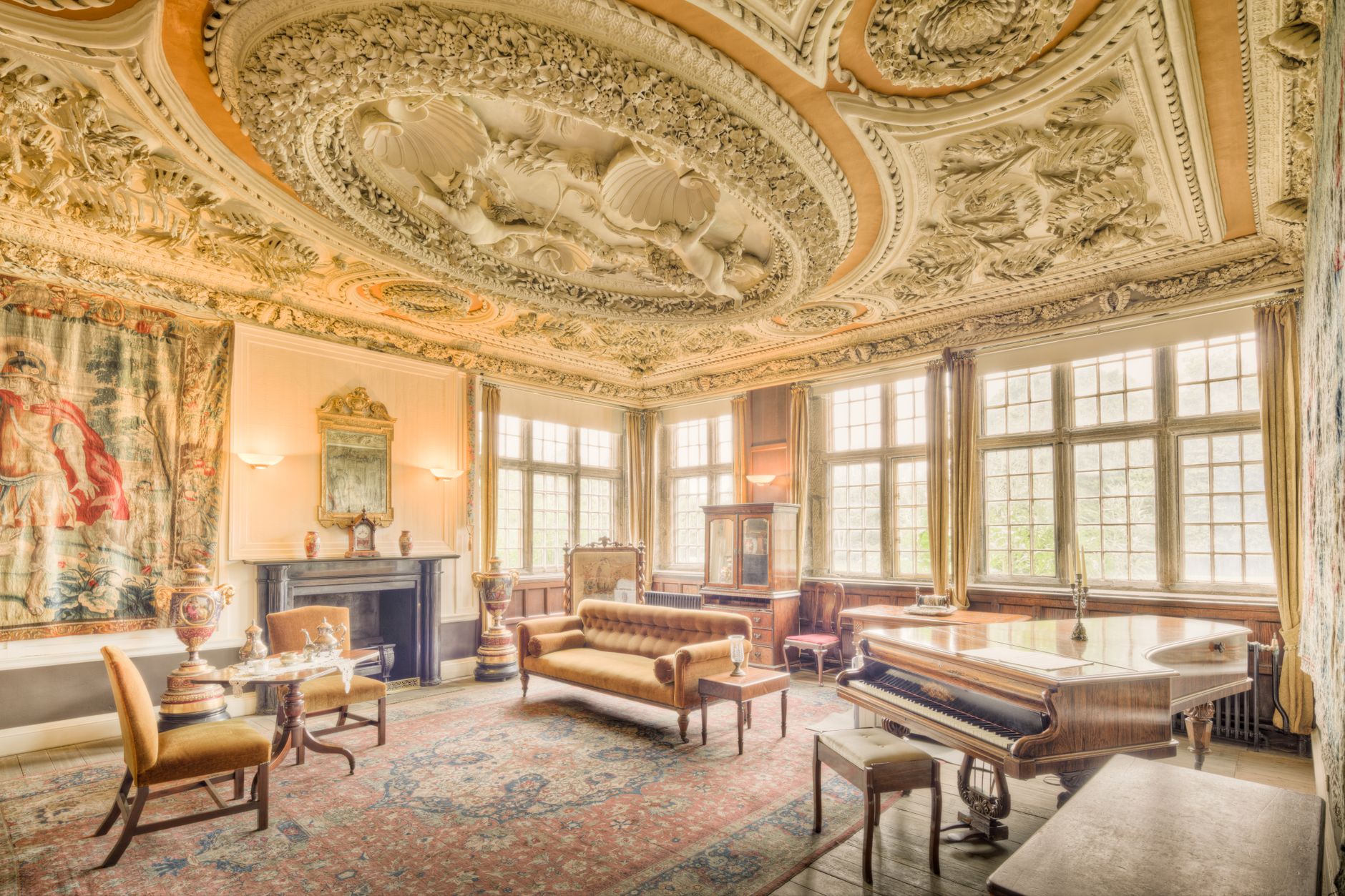
Interior photography presents a challenge that can only be tackled by true photography enthusiasts seeking a niche and often lucrative pursuit. A key factor that influences potential buyers' decisions is the impression created by property photos. How can you effectively photograph a room to maximize buyers' attention?
The answer lies in practical tips that will help you achieve that "wow" effect in interior photography. From choosing the right equipment to post-production techniques, this guide covers everything you need to know to professionally capture property interiors in photos.
Choosing the Right Equipment for Interior Photography
One of the key aspects of interior photography is selecting the right equipment. A wide-angle lens, such as 14-24 mm or 16-35 mm, is essential to capture the entirety of a room and give it the right spaciousness. Depending on the room's size, a focal length of around 16-20 mm works best.
A tripod is another crucial piece of equipment. It allows you to set the camera at the ideal height—usually at 120-130 cm, or the eye level of a seated person. This ensures a natural perspective. It's also recommended to use a light reflecting lamp from the ceiling, which enables even illumination of the entire interior.
Camera Setup Techniques and Composition
The camera mounted on the tripod should be perfectly level, which can be achieved using a head with a spirit level. This ensures that the lines of the walls remain straight and aesthetically pleasing. Maintaining proper composition is also key.
Photos should depict 1-2 walls of the room—capturing three may create a sense of cramped space. It's worth experimenting with different compositions to find the most appealing one. Remember, interiors should be captured in a way that conveys as much visual information as possible about the character and function of the space.
Lighting in Interior Photography
Natural light is the best ally for interior photographers. Try to maximize its use by planning your session during the day. Shadows that may appear while photographing can be minimized by using a light reflector from the ceiling.
For overly dark interiors, it's worth applying the exposure blending technique. This involves taking a series of photos at different exposures, for example, from -2 to +2 EV. You will then combine them into one image, preserving detail from both the interior parts of the room and the view outside.

Photographing Kitchens, Bedrooms, and Bathrooms
The kitchen should be clean and organized above all. Turn on all light sources to highlight its functionality and space. The bedroom, on the other hand, should convey coziness and comfort—make the bed neatly, add pillows, and pleasant-to-touch fabrics.
In the bathroom, ensure that reflections in mirrors do not capture the photographer or equipment. Brightness and freshness will be highlighted by well-lit elements, while dried faucets or wet surfaces can spoil the aesthetic effect.
Basic Rules in Living Room Photography
The living room is the heart of the home, so its presentation in interior photography must be stunning. Use cushions and accessories that warm the atmosphere of the space. The sofa should be aesthetically arranged with cozy blankets.
Don't forget to capture the beauty of the external view from the window. If the view is worth capturing, open the windows to let natural light and freshness into the interior. This space should symbolize relaxation and openness to life.
Tips for Outdoor Photos
Photographing the exterior is just as important as capturing the interiors of properties. The best time for exterior shots is during the "blue hour," which is the brief period after sunset. A wonderful idea is to capture the moment when the lights inside are on, shining through the windows and creating an additional attractive visual element.
Make sure the building looks good from the ground up. Remove any unnecessary elements that negatively affect the photo's aesthetics, such as trash or damaged parts of the facade.
Care for Photos in Post-Production
Post-production is a crucial stage that allows for the enhancement of captured images. In Lightroom, it's essential to apply perspective correction using the Transform > Auto option. This will make the photos aesthetically pleasing and free from distortions.
Additionally, it's worthwhile to work on whitening the walls by reducing yellow saturation and enhancing the sky visible in the windows, which will accentuate contrast and give the photo more dynamism. Exporting the completed work at a resolution of 3000 px will be optimal for MLS-type services.
Legal Aspects of Real Estate Photography
Interior and real estate photography is not only about artistic creativity but also involves responsibility for the use of the images. When considering various legal aspects, one must remember about copyright and publication consents, especially in the context of commercial materials.
It's also valuable to discuss contract issues with the client regarding usage limitations of the photos. Such analysis will help avoid unpleasant situations in the future and provide peace of mind for both the photographer and the property owner.
How Picvelo Can Help
Picvelo offers excellent tools for presenting client galleries, which is invaluable in real estate photography. With our platform, you can easily send a selection of photos to the client, apply watermarks to protect your work, and monitor the reception of your photographic offers. This is outstanding support for professionals in the industry.
Summary
Good interior photography can be the key to successful property sales. With our tips, you'll achieve professional results that will impress your clients. Enhance your skills and use Picvelo to make interior photography even easier!
FAQ
What lenses are best for interior photography?
The best lenses for interior photography are wide-angle lenses with focal lengths of 14-24 mm or 16-35 mm. It's important that they capture the entire room without distortion.
How should I set up the camera for interior shots?
The camera should be on a tripod at a height of 120-130 cm, keeping the walls level. It's advisable to use a ceiling-rebounding lamp for even lighting.
Is natural light sufficient for photographing interiors?
Natural light is ideal, but it's recommended to supplement it with a ceiling-rebounding lamp to avoid deep shadows and achieve even illumination.
What are the tips for post-production of interior photos?
Perspective correction in Lightroom and whitening the walls are crucial. Enhancing the sky in the windows will improve the appearance of the photos.
When is the best time to take exterior photos of properties?
Exterior photos are best taken during the "blue hour" after sunset, when interior lights create a warm atmosphere.
Do I need permissions to photograph properties?
Yes, owner permissions are necessary, especially in the context of commercial use of the photos.