
Street photography is one of the most fascinating branches of photographic art, combining elements of reportage, documentary, and subtle portraiture. It requires photographers to have reflexes, courage, and the ability to capture the so-called 'decisive moment.' In this article, you'll find tips on camera settings ideal for street photography and advice on ethics when interacting with random people. Learn how to convey the authenticity of the urban jungle using the right equipment and photographic techniques while respecting the privacy and dignity of the subjects being photographed.
Choosing the Right Equipment
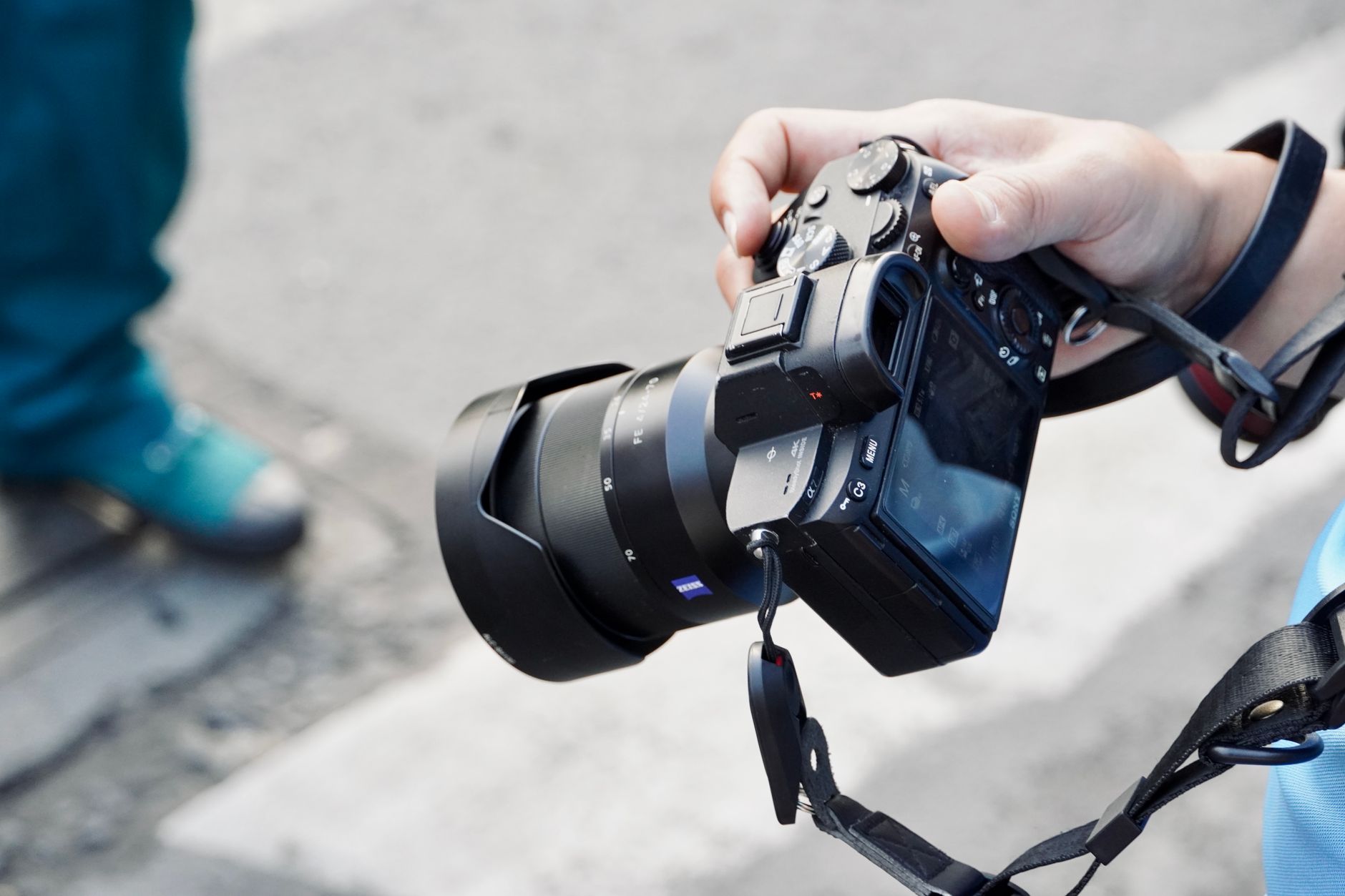
Photographing in urban spaces requires lightweight, discreet equipment that won't attract unnecessary attention. Mirrorless cameras, such as the Fuji X100 or Sony A7C, are popular choices due to their compact dimensions and silent shutter, allowing for discreet work in crowds. Fixed focal length lenses of 28mm or 35mm provide a natural perspective, making them ideal for capturing street scenes. A black body with no visible logos further enhances the photographer's anonymity.
Basic Camera Settings
In street photography, it’s crucial to respond quickly to changing conditions. Aperture priority mode (Av) or manual mode (M) with automatic ISO are practical, allowing control over depth of field and shutter speed. Using an aperture of f/8 and a minimum shutter speed of 1/250s can yield sharp shots even in low light. For those who prefer manual settings, the zone focusing technique with focus set to 2-3 meters ensures essential sharpness across the entire frame.
Street Photography Techniques
Street photography requires mastering several techniques to capture the perfect moment. Shooting 'from the hip' or sitting at a café table helps avoid the scrutinizing gazes of passersby. Some photographers prefer the hyperfocal method, where, with a 28mm lens and f/8 aperture, focus encompasses nearly the entire scene, from 1 meter into the background. Both techniques allow for discreet operation without sacrificing photo quality.
Ethics in Street Photography
When photographing people in public spaces, we should respect their privacy and dignity. In Poland, consent for publishing a photo is required when individuals are recognizable, unless it's a crowd shot or a public figure. Avoid photographing persons in situations that could portray them negatively, like homeless individuals. If someone reacts negatively to being photographed, be prepared to delete the photo, apologize, or offer your business card.
Image Rights in Poland
The right to one's image in Poland is regulated by Article 81 of the Copyright Act. An individual's image can only be disseminated with their consent, with some exceptions, like being in a crowd or public figures. It is essential to photograph with respect for the law, and in contentious situations, always be ready for discussion and negotiation with those in the frame. Knowing these rules helps avoid unpleasantness and conflicts.
Inspiration and Role Models in Street Photography
The history of street photography is rich with outstanding figures whose works continue to inspire today. Henri Cartier-Bresson, known for the idea of the 'decisive moment,' and Vivian Maier with her incredibly personal stories captured on the streets of Chicago and New York serve as great examples of how diverse street photography can be. In Poland, it's worth exploring the works of Tadeusz Rolke and Chris Niedenthal, which document social and cultural changes over the decades.

The Importance of Perspective and Composition
Perspective and composition are crucial elements influencing the reception of street photography. Lenses of 28mm and 35mm allow for capturing scenes in a natural perspective, close to what the human eye sees. Using the rule of thirds, where we place the point of interest at one of the intersection points dividing the image into nine parts, creates more dynamic compositions. Experimenting with different angles and heights can give the photos a unique and personal character.
The Importance of Lighting in Street Photos
Lighting plays a key role in street photography. The last rays of the sun just before sunset can give photos a warm golden tone, while the soft light of a cloudy day highlights drama. When shooting in the middle of the day, it's worth seeking out shadows to add depth and contrast to the frame. The interplay of light and shadow can give the photo a unique charm, so it's crucial to carefully observe changing conditions and use them creatively.
How Picvelo Can Help
Picvelo offers photographers an excellent solution for managing street session photos. With our platform, you can easily create client galleries, add watermarks, and enable print sales. Our service also facilitates secure photo delivery directly to clients, making it a great alternative to traditional sharing methods. Check out our options pricing.
Summary
Street photography is not only a technique but also an art of observation and ethics. Remember to act with respect for the people around you. Rediscover the city through your camera lens, experimenting with style and narrative. We encourage you to develop your skills and use tools like Picvelo that facilitate the creation of perfect street photos. Explore our offerings at pricing.
FAQ
What lenses are best for street photography?
The most recommended lenses are fixed focal lengths of 28mm or 35mm. They provide a natural perspective and are discreet, which is essential in urban environments.
Do I need consent to photograph people on the street?
Consent is required if the person is recognizable unless they are in a crowd or are public figures. It's important to respect every person's privacy rights.
What are the best camera settings for street photography?
It's best to use Av or M mode with automatic ISO, an f/8 aperture, and a minimum shutter speed of 1/250s. The zone focusing technique helps ensure sharp captures.
Can I publish photos without the consent of visible persons?
You can publish photos without consent if the person is in a crowd or is a public figure. In other cases, consent is required for disseminating the image.
Is it worth investing in a compact mirrorless camera?
Yes, a compact mirrorless camera is lightweight and discreet, making it ideal for street photography. Models like the Fuji X100 are popular.
Why is ethics important in street photography?
Ethics allows for respecting the privacy and dignity of the photographed individuals, which is crucial for building trust and avoiding conflicts.