
Portrait photography offers many creative opportunities, including trendy styles using high-key and low-key techniques. These two tonal approaches, although contrasting, affect the perception and atmosphere of images. Each has its application in various fields, from advertising to business portraits. In this article, you will uncover the secrets of both styles, explore their technical aspects, and learn how to avoid common photography mistakes to create striking portraits.
What is high-key photography?
High-key photography is characterized by a bright, cheerful appearance. High-key images feature minimal shadows, making the overall composition appear ethereal and light. The popularity of this technique is due to beauty ads, fashion, and children’s and wedding photography, where delicacy and purity are crucial. In high-key photography, it's essential to maintain a bright background and control exposure so that every element of the photograph is clearly visible but not overexposed.
Techniques for creating high-key photos
In high-key photography, the most important thing is to maintain brightness. The background should be at least two stops brighter than the subject’s face. This can be achieved by using lights with modifiers that evenly illuminate the entire scene. It is advisable to use two lights to soften shadows on the face, and set the exposure to the right to ensure highlights are bright without being blown out. In post-production, increasing the whites and exposure enhances the luminous effect characteristic of this technique.
Common mistakes in high-key and how to avoid them
The most common mistake in high-key photography is insufficient illumination of the background, leading to a grayish appearance. This can be avoided by separately lighting the background to maintain even brightness. Another mistake is oversaturation, which can lead to the loss of details. Therefore, it’s important to monitor the histogram to avoid clipping. Carefully position yourself to capture that light, clear style without compromising on quality.
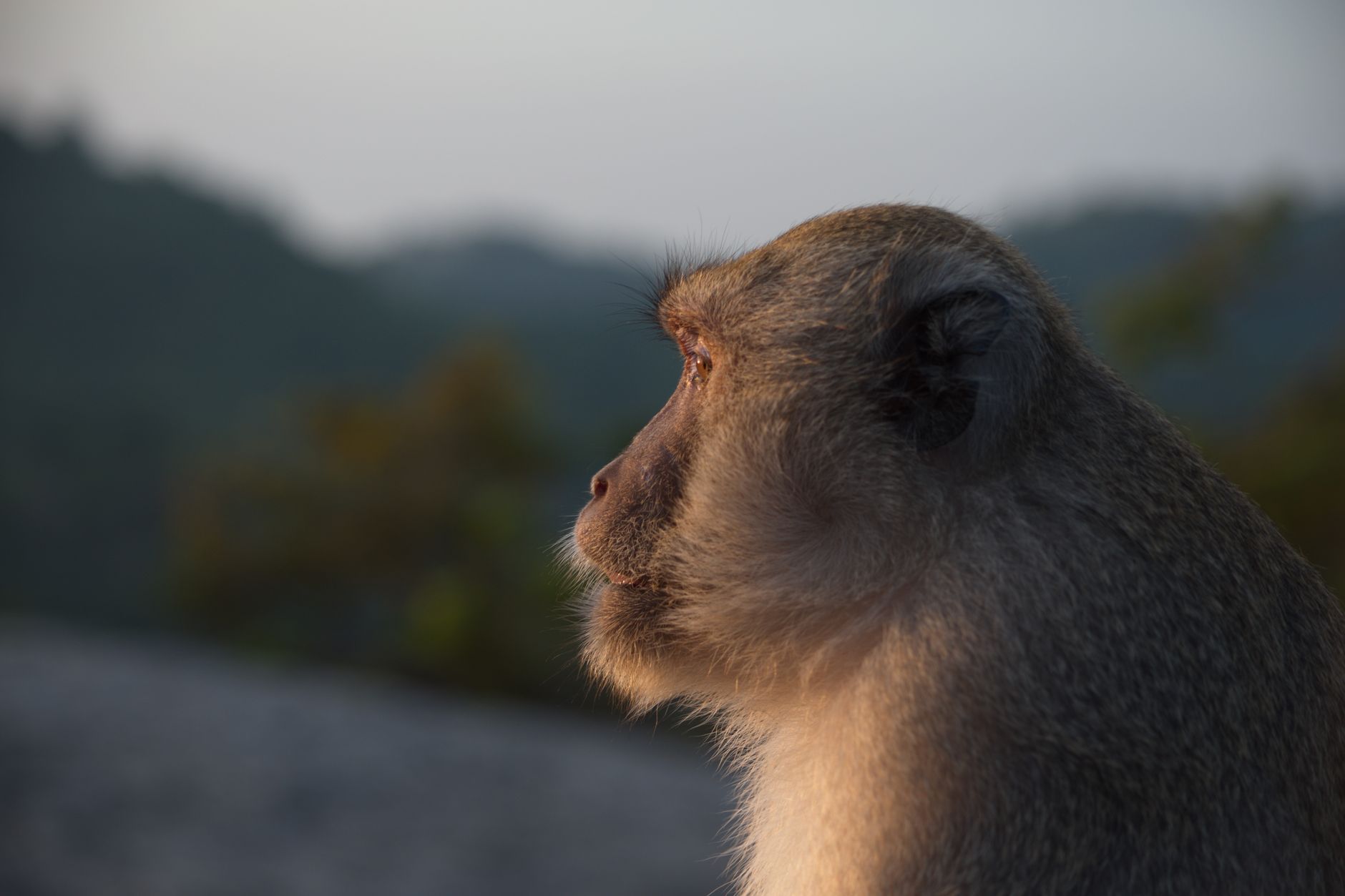
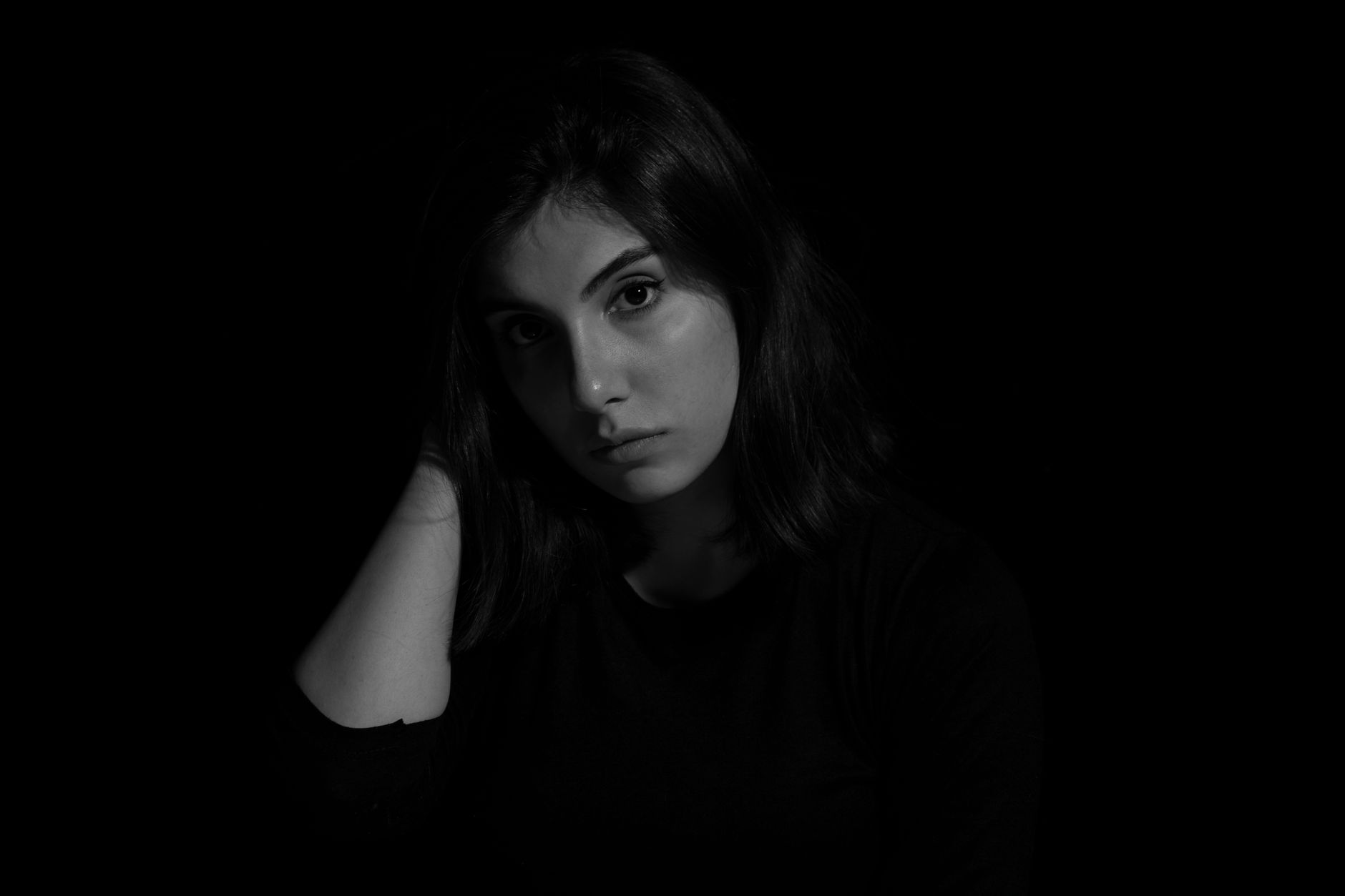
What is low-key photography?
Low-key photography, on the other hand, focuses on the dark side of the tonal spectrum, giving it a mysterious and dramatic character. Dark backgrounds and deep shadows create intense contrasts that make the photographs more striking. This technique often finds its place in business portraits, artistic shots, or musician sessions, where showcasing seriousness and depth of emotion is essential.
Techniques for creating low-key photos
The key to low-key photography is using a dark background and limiting the number of lights. Typically, one directional light with a grid is used to focus the light only on key points, such as the face. Exposure should be set for highlights while preserving deep shadows. In post-production, it is worthwhile to reduce shadows and blacks to add extra contrast and achieve the desired dramatic effect characteristic of this style.
Common mistakes in low-key and how to avoid them
One of the biggest challenges in low-key photography is the so-called light spill onto the background, which ruins the effect of darkness. To avoid this, use flags or increase the distance between the model and the background. Another challenge is unfavorable lighting focus on less important elements of the portrait — ensure that the light is directed at key areas, maintaining the mystery and drama of contrasts.
Practical applications of high-key and low-key
High-key works well in wedding, beauty, and children’s photography, where lightness and brightness of composition are essential. This style adds freshness and optimism to images, making it popular for advertising. Conversely, low-key is an excellent choice for business and artistic portraits, where the depth of shadows and intense contrasts can evoke emotions and character. This style adds mystery and elegance to photos.
Equipment and camera settings
In both techniques, equipment plays a crucial role. For high-key, mirrorless cameras with a good dynamic range are best, allowing precise brightness balancing. Lenses with a wide aperture (e.g., f/1.8) provide soft background blur. In low-key photography, telephoto lenses that minimize the effect of external light and ensure sharper shadow edges are recommended. Cameras with manual exposure control will help with precise settings.
How Picvelo Can Help
Picvelo offers solutions ideal for photographers using high-key and low-key styles. With client galleries, you can easily share photos, apply watermarks, and even sell prints. Check out pricing to choose the best option for you.
Summary
Both high-key and low-key are incredibly striking styles of portrait photography that can significantly enhance your portfolio. Follow the above tips, avoid common mistakes, and create unforgettable photos. See how Picvelo can assist in showcasing them.
FAQ
What are the advantages of high-key photography?
High-key offers bright, optimistic images that work well in ads, fashion, wedding, and children’s photography. This style adds lightness and clarity to photos.
Why should I choose low-key photography?
Low-key adds drama and mystery to photos. It is excellent for business and artistic portraits, highlighting character traits, emotions, and professionalism.
What common mistakes occur in high-key photography?
Mistakes in high-key include a gray background and loss of details due to clipping. Avoid these issues by ensuring even background lighting and controlling exposure.
What most often ruins the low-key effect?
The low-key technique can be ruined by light spill on the background and poor light direction. Make sure the light is focused on key portrait elements.
Do I need special equipment for both styles?
While specialized equipment makes it easier, good results can still be achieved with basic gear by controlling camera settings and using creative lighting.
How should I set my camera for high-key and low-key?
In high-key, set exposure for high brightness, with the background two stops brighter. For low-key, focus on darkness, controlling light on the face. Ensure proper exposure balance.