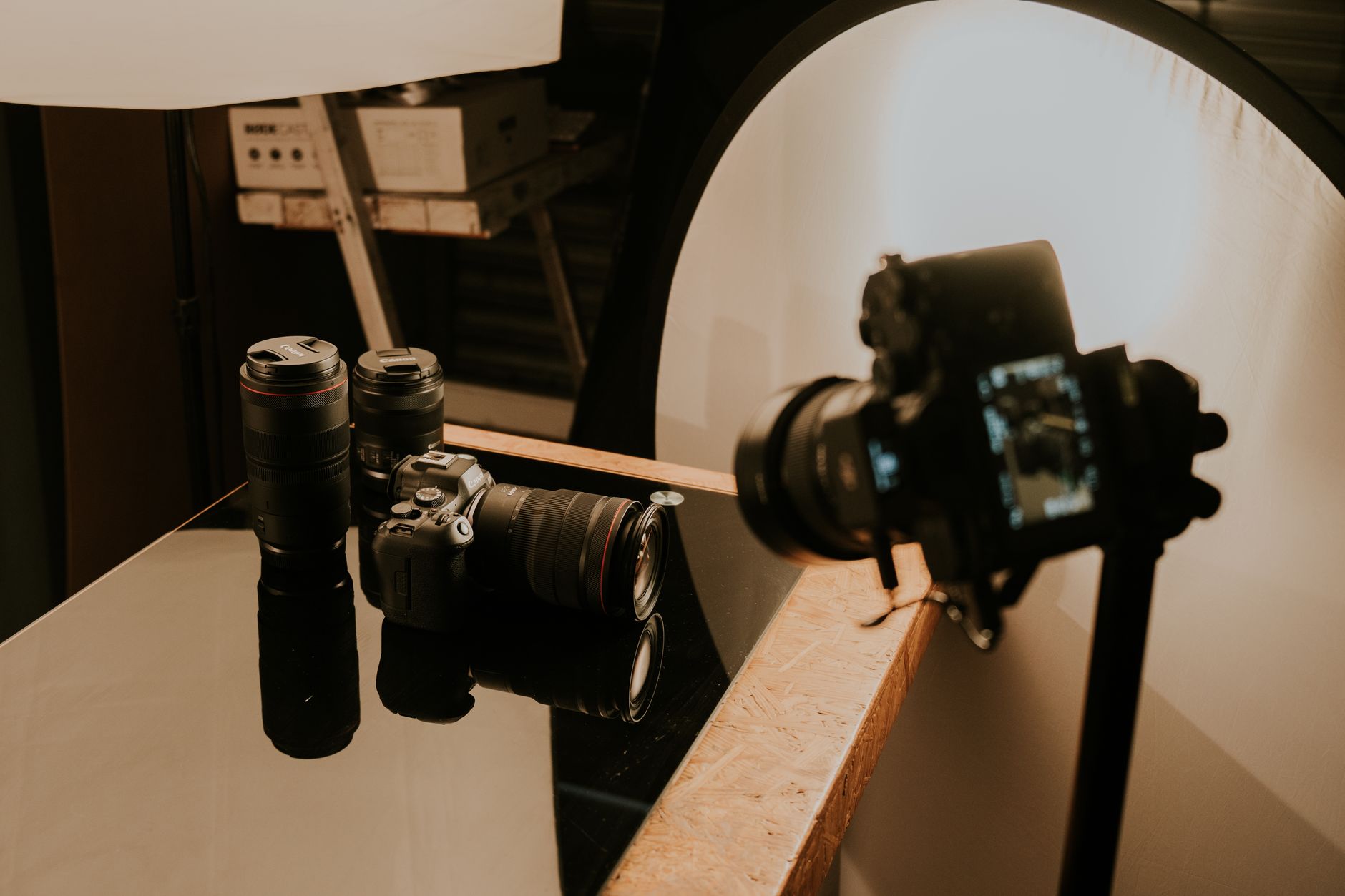
Product photography is a key element of online sales. Presenting a product in the right light can determine its success or failure. Therefore, it is vital that images are professionally taken and meet e-commerce standards. In the article below, you will learn how to prepare product photos and how to deliver them to the client while meeting all the requirements of modern online sales.
The Importance of Correct Product Photography
Product photography is a must-have for any retail platform. High-quality images attract customers and increase conversion rates. It is crucial to ensure visual consistency and high-quality images, which include proper exposure, sharpness, and accurate color representation. Keeping the images orderly by using a consistent style and framing also helps in building a brand.
Packshot on a White Background
A packshot, or a product photo on a white background, is a standard in product photography. It facilitates focus on the product and fits most store templates. To create it, you need a camera set to ISO 100–400, aperture f/8–f/11, and a 50 mm lens. Investing in 80 cm softboxes for even lighting is worthwhile. Try to avoid using a flash without a modifier to prevent unsightly shadows.
Consistent Framing and Lighting
Consistency in framing and lighting across a series of images is key to creating a professional catalog. When preparing a shoot, ensure a uniform layout of products in the frame and stable lighting. Using a tripod and a steady light setup will help avoid exposure discrepancies. Adjusting the light intensity may be necessary for products made of differing materials that reflect light in unique ways.
Contextual Shots and Details
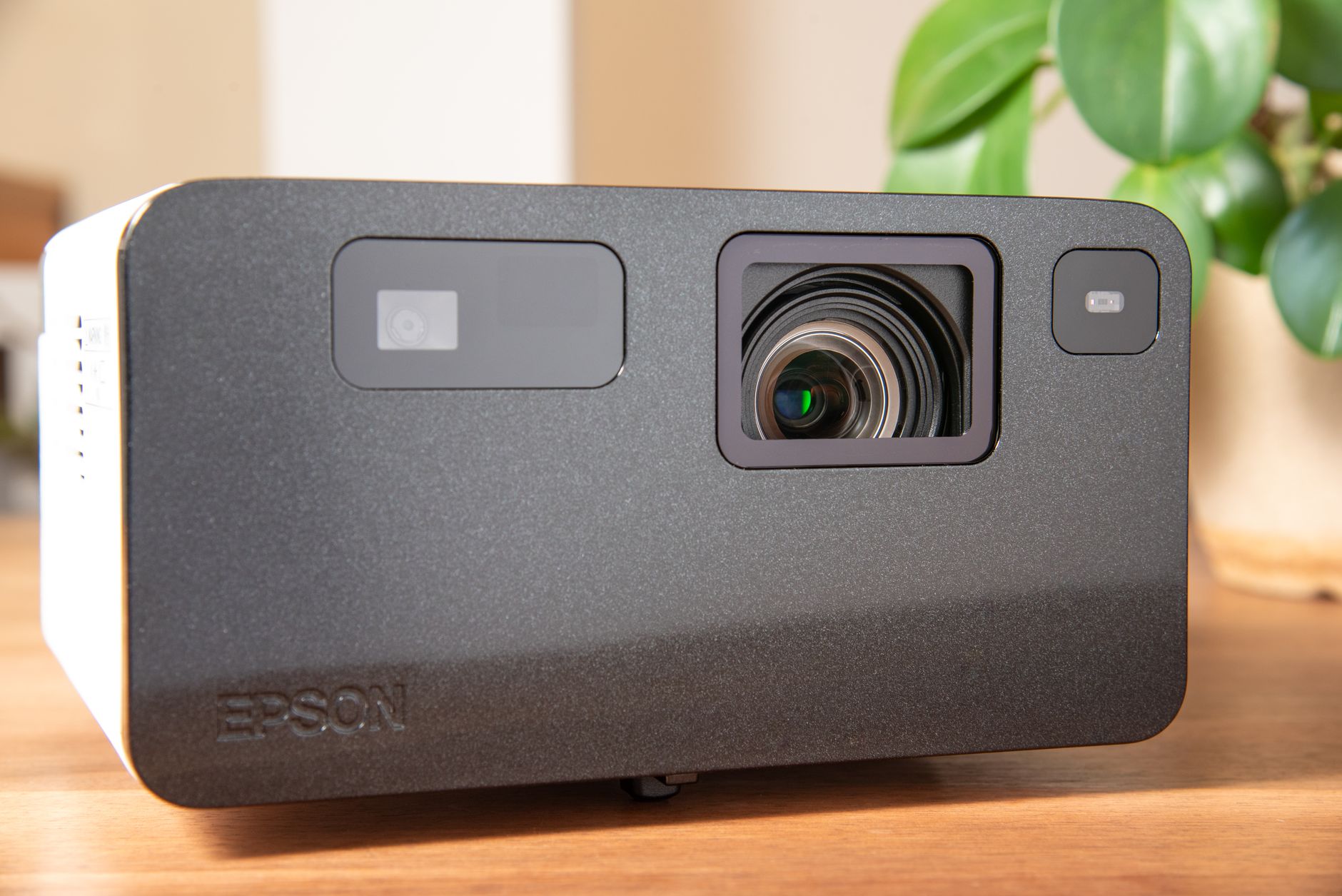
In addition to standard packshots, it is worth adding contextual shots and close-ups. Contextual shots show the product in use, which helps build the customer's imagination about its application. Details highlight the key features and high-quality finish. Such photos are best taken using a 100 mm macro lens with an f/2.8 aperture for shallow depth of field and impressive bokeh.
Retouching and Uniform Backgrounds
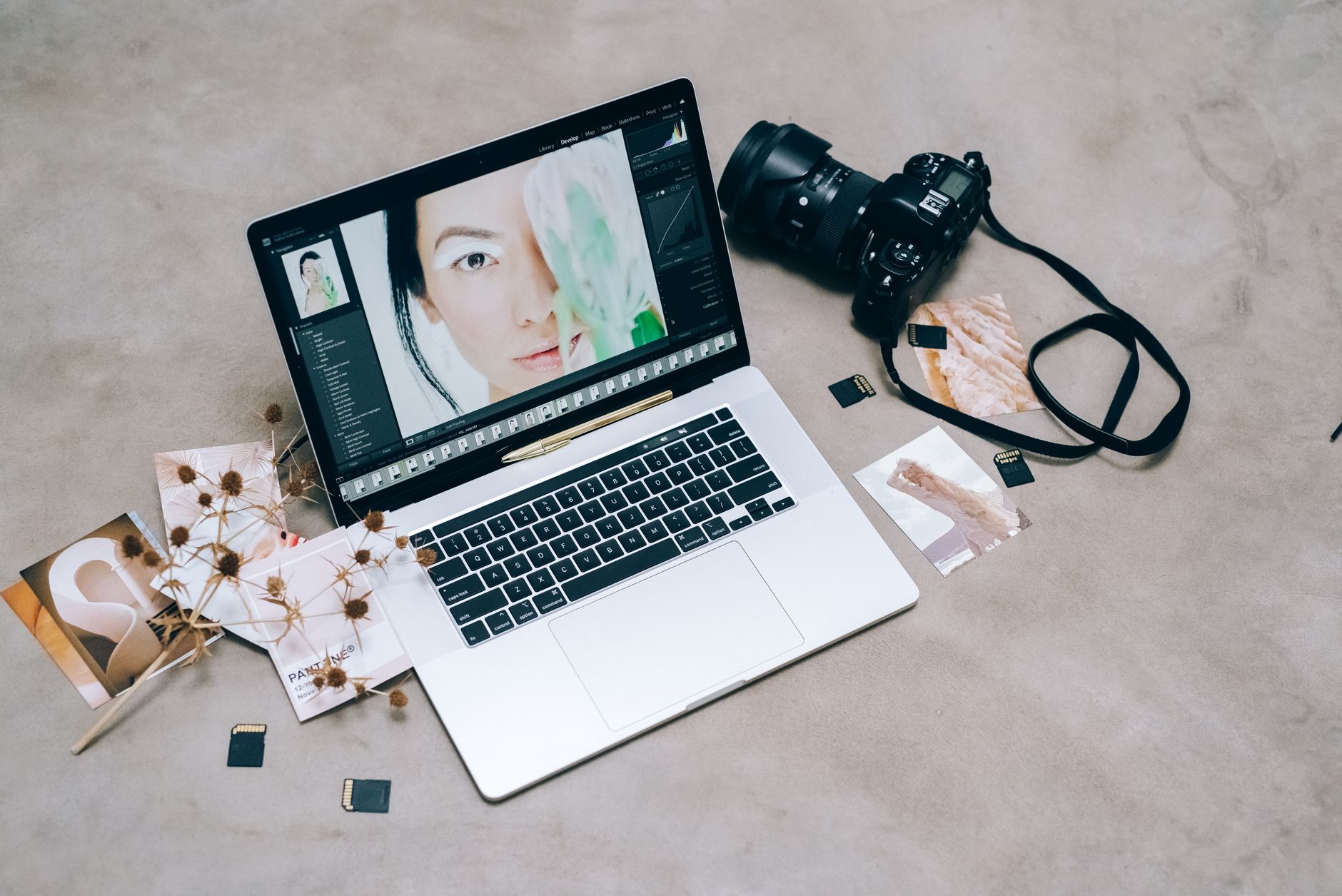
Retouching photos helps remove imperfections and aligns the background to white or another specified color, making the entire collection cohesive. Adobe Photoshop or applications like Capture One offer quick retouching tools. Enhance photos by removing spots, leveling shadows, and boosting colors. A uniform background can be achieved using the cut-out or masking tools in graphic software.
Delivering Files to the Client
Delivering images to an e-commerce client requires compliance with the platform's requirements. Photos should be in JPEG or PNG format, and their size must match the platform’s specifications (e.g., square 1000x1000 pixels). An appropriate file naming system is also important for simplifying indexing. For client convenience, organize files in galleries divided by products or SKUs, making navigation and selection easier.
Pricing per Shot and Deadlines
When pricing product photography, a per-shot rate may be established, which is common in the industry. Prices can vary depending on the number of images, their complexity, and the time spent on the shoot and retouching. It’s important to set realistic deadlines, especially for large product catalogs. Proper time and priority management will help in delivering materials on time, which is crucial for maintaining good client relationships.
Speeding Up Approvals with Galleries
Approval galleries are a feature that significantly speeds up the process of getting client approval on shots. Clients can review images online, select the best ones, and communicate directly with the photographer about revisions. This solution saves time on exchanging numerous emails and allows for quicker finalization of images ready for publication. Utilize platforms online photo gallery for photographers and online photo proofing to facilitate this process.
How Picvelo Can Help
Picvelo offers solutions that enhance the efficiency of delivering product photos for e-commerce. With online photo gallery for photographers, you can organize and share photo collections with clients, customize them with a watermark, and prepare for print sales. Check our pricing and see how to streamline your client work.
Summary
Product photography for e-commerce requires precision and attention to detail. With the right techniques and tools, excellent results can be achieved. Leverage solutions like Picvelo to optimize your photo delivery process and focus on what matters most — creating and growing your business. FAQ
FAQ
How much does a product photography session cost?
The costs of a product photography session can vary depending on the number of images and their complexity. Prices typically start from 100 PLN per shot but can increase with additional retouching or contextual shots.
Is it worth investing in a professional product photographer?
Yes, a professional photographer provides high-quality images, which are crucial in e-commerce. Professional photos increase conversion rates, build trust, and enhance brand image. By investing in an expert, you also gain time and professional service.
What photo formats are required for e-commerce?
The most commonly used photo formats in e-commerce are JPEG and PNG. Images are usually sized at 1000x1000 pixels, but it's worth adjusting them to the specifications of specific platforms, such as Amazon or eBay.
What is a packshot?
A packshot is a professional image of a product against a neutral background (usually white), aimed at highlighting the item itself. It is a standard in product photography, particularly in e-commerce, where clarity and aesthetics matter.
How long does it take to prepare a complete photo catalog?
The time it takes to prepare a photo catalog depends on the number of products and session complexity. A small catalog might take a few days, while a full production of hundreds of products can take several weeks.
Is retouching of product photos necessary?
Yes, retouching is often essential to achieve uniform colors, remove imperfections, and align the background. Professional retouching enhances the appeal of images, positively influencing customer perception.
Comments (0)
No comments yet. Be the first!