Boudoir photography and artistic nudes require exceptional attention to technical details and a delicate approach when interacting with the model. It is not just about camera settings or lens choices, but primarily about creating an atmosphere of comfort and trust. In this article, we will show you how to balance technical aspects with emotional ones to create beautiful and authentic works. You will learn how to use soft lighting, compose with finesse, and ensure the comfort and boundaries of the model.
The Magic of Light in Boudoir Photography
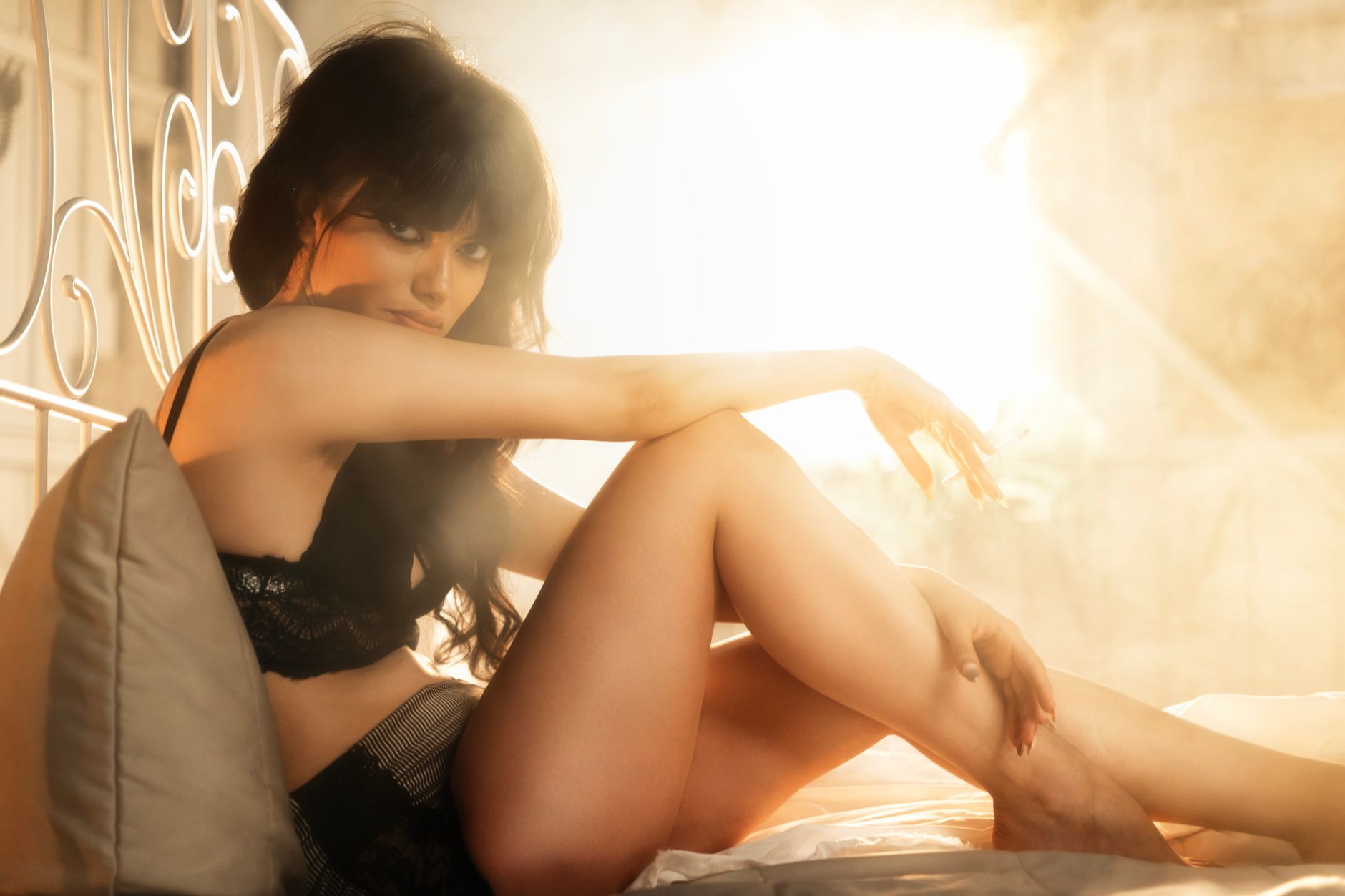
Soft light is key to success in boudoir photography. Avoiding harsh shadows allows for subtle tone transitions that add intimacy and delicacy to the images. The best solution is to use natural window light, especially from a large window. An alternative could be setting up a single light with a large softbox, e.g., 150 cm in diameter. It is advisable to place the light source at a low side angle, which provides gentle modeling of the silhouette with shadows.
Composition and Body Lines
In the composition of boudoir and artistic nude photography, it is important to highlight the natural lines of the body. Key techniques include utilizing the "S" shape line and contrapposto, which add harmony and fluidity to the photograph. The background should be neutral – for example, a white sheet or cool-toned bedding – to focus the attention on the model. The composition should be carefully considered in terms of geometric and emotional balance, which emphasizes the intimacy and aesthetics of the image.
Ethics and Communication with the Model
The ethics of boudoir and artistic nude sessions are as important as photographic technique. It is crucial to conduct a consultation meeting before the session, during which boundaries, inspirations, and levels of exposure are discussed. It is advisable to create a written agreement that includes a clause about the right to withdraw consent for the publication of photos. Including a female assistant on portrait shoots can increase the model's comfort, giving her full rights to stop the session at any time.

Choosing Photography Equipment
In boudoir photography, equipment matters but is not an end in itself. A fast lens, such as a 50 mm f/1.4 or 85 mm f/1.4, is ideal for achieving a shallow depth of field, effectively isolating the model from the background. Sometimes, using smoke in the studio with a fog machine adds a mysterious softness to the photos. Using black and white presets ensures a timeless effect and allows focusing on the emotions portrayed in the photograph.
Delicate Retouching and Editing
Retouching in boudoir photography should be subtle, with the main goal being to preserve the natural texture of the skin. The separation of frequencies technique may be used only for spot corrections. The dodge & burn method allows for subtly highlighting body contours, giving them a more three-dimensional quality. All color corrections, such as conversion to black and white photos, should be performed with HSL control to present the model in the most natural way possible.
The Model's Comfort Zone
Establishing the model's comfort zone is fundamental to the credibility of boudoir and artistic nude photos. This type of photography requires the model to feel both mentally and physically safe. Respecting boundaries, collaboratively developing the concept of the photos, and giving the model full control over the selection of images for publication are essential factors in building mutual trust. Emotional comfort ensures authentic and organic captures that will delight both the model and the viewer.
Preparing for a Boudoir Session
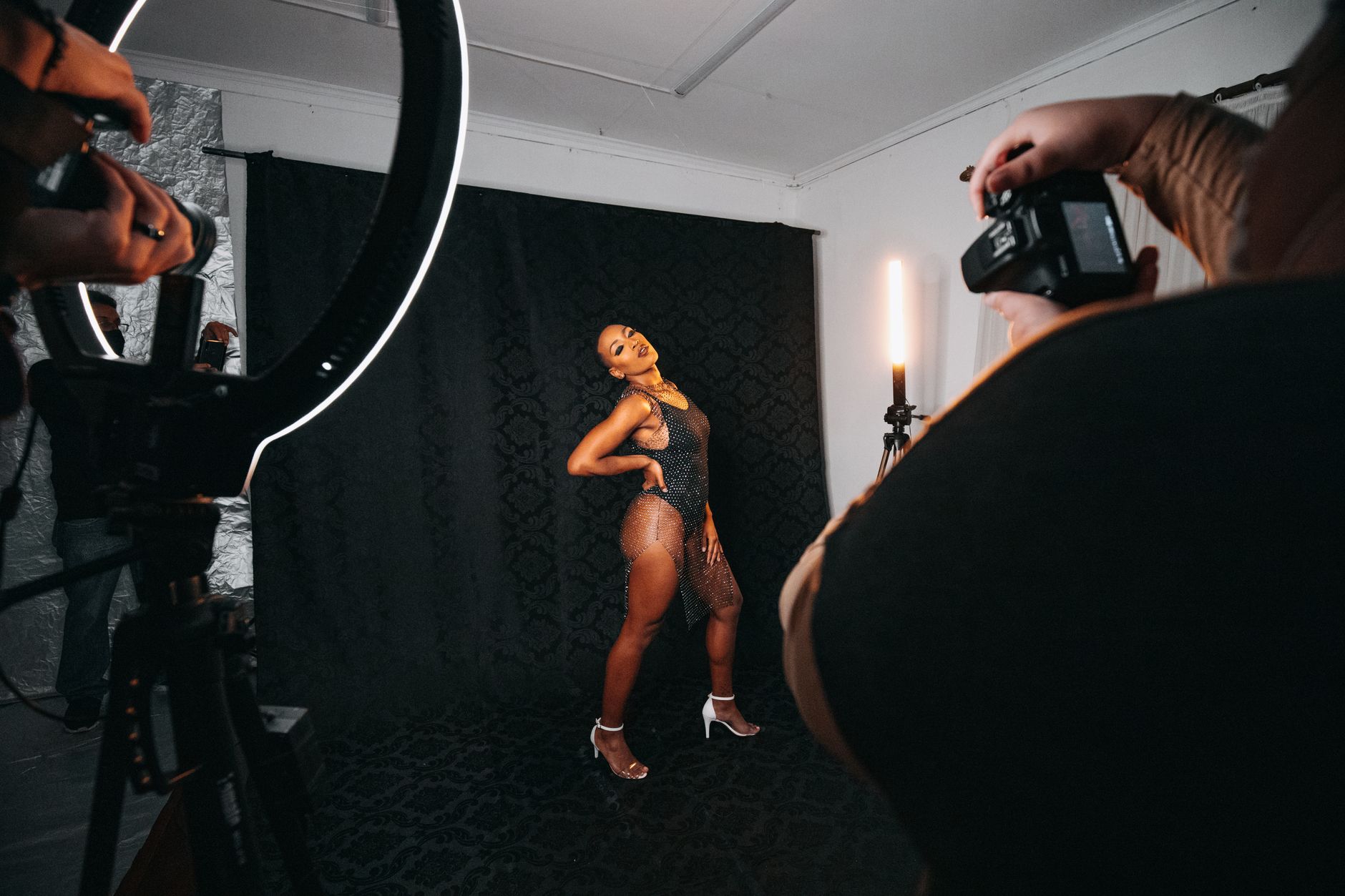
Planning ahead of the session is essential to achieving the desired results. Choosing the right setting, preparing the wardrobe, and determining the style and aesthetics of the shoot helps avoid stress during the actual photography. It is also crucial to provide the model with opportunities to rest and recover during the session. Attention to detail, such as music and lighting, creates a comfortable atmosphere that translates into natural posing and the model's appearance.
Transferring and Publishing Images
Transferring photos from boudoir and artistic nude sessions must be as subtle as the session itself. Ensure that it is done in a safe and discreet manner. Picvelo offers client galleries that enable an easy and professional way to share images with clients. Additionally, the model has full control over the selection of images for publication, ensuring the preservation of privacy and trust with the photographer.
How Picvelo Can Help
How can Picvelo help? Our platform offers photographers the ability to create private client galleries, which is an excellent solution for boudoir sessions. With our system, the model has full control over the selection of images for publication, and the transfer of works occurs in a safe and discreet manner. Try our features now by visiting pricing.
Summary
Boudoir photography combines art and trust between the photographer and the model. Maintaining comfort and choosing the right techniques can result in an exceptional portfolio. Consider using tools like Picvelo to enhance your creative processes. Start today! homepage
FAQ
How much does a boudoir session cost?
The price of a boudoir session varies and depends on many factors, such as the experience of the photographer, location, duration of the session, and additional services like retouching or wardrobe rental. Sessions typically start at a few hundred zlotys.
Is it worth investing in a 50 mm f/1.4 lens?
Yes, investing in a 50 mm f/1.4 lens is a valuable addition for boudoir photographers. It allows for impressive background blur and is excellent for portrait photography, emphasizing the model's silhouette.
How can I prepare for a boudoir session?
Preparation for a boudoir session includes selecting outfits, preparing the right space, and discussing the concept of the photos with the model. It is also important to ensure a good feeling through a relaxing atmosphere before the session.
What lighting is best for boudoir photography?
The best lighting for boudoir photography is natural ambient light or soft artificial light, such as from a softbox. It is important to avoid harsh shadows that can destroy the subtlety and intimacy of the shot.
Do you need the model's consent to publish photos?
Yes, it is essential to obtain written consent from the model for the publication of photos. It is also advisable to include clauses allowing the model to withdraw consent at any time, which is standard in portrait photography ethics.
Does Picvelo have features for protecting photo privacy?
Yes, Picvelo offers features for protecting photo privacy, such as watermarks and password-protected galleries, ensuring secure sharing of works with clients.