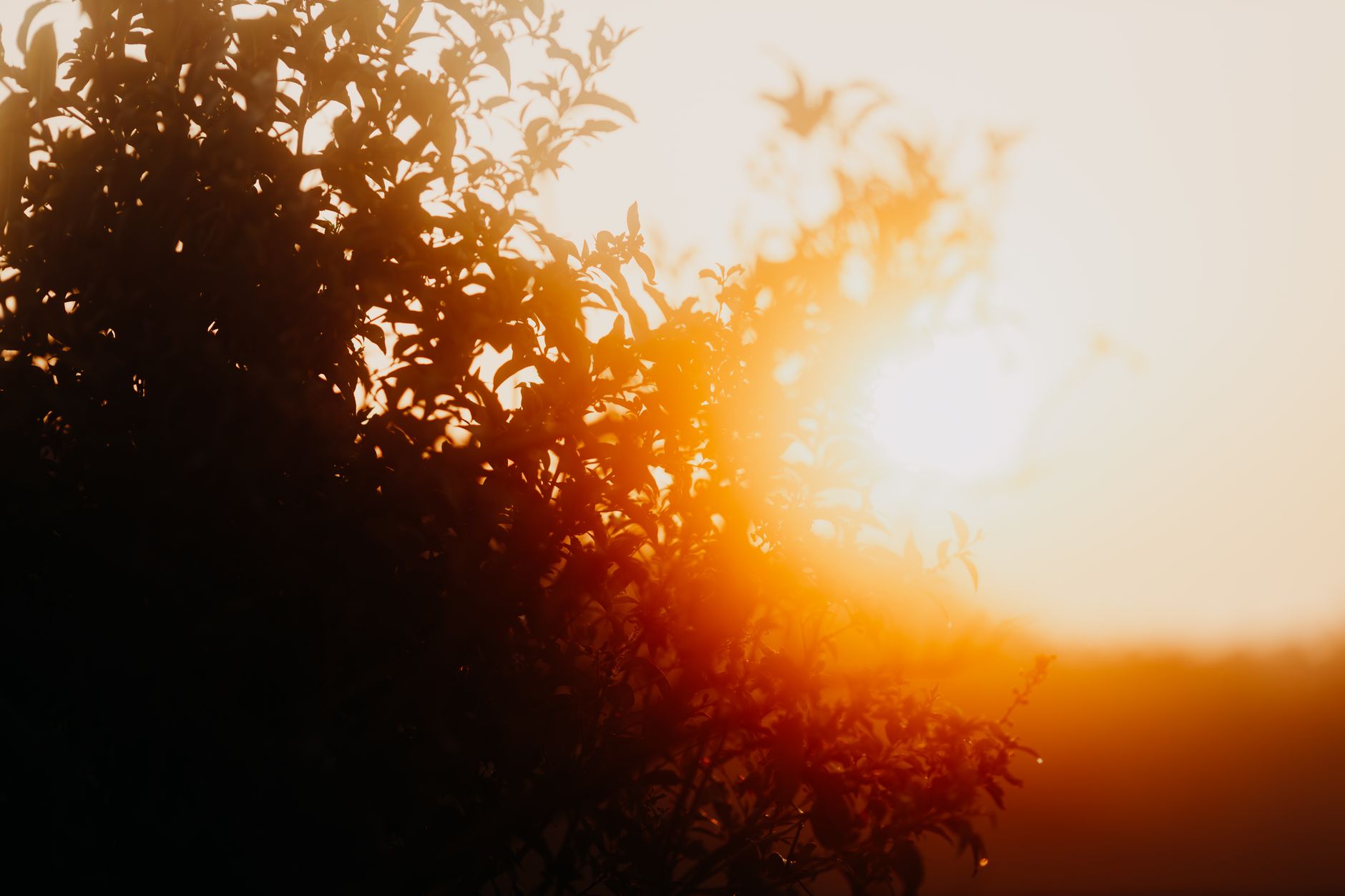
Photography is not only the skill of capturing moments but also the art of understanding light. Golden hour and blue hour are two magical moments during the day that offer unique lighting conditions. Properly utilizing them can transform your photos into true works of art.
Golden hour features warm, soft light, ideal for portraits and landscapes, while blue hour provides dramatic, cool tones, perfect for urban photography. In this article, you will learn how these hours affect photography and how to leverage them to create stunning shots.
What is Golden Hour?
Golden hour is the time of day just after sunrise and just before sunset when light is warm and soft. The length of the golden hour depends on the season and geographical location. In summer, it can last about an hour, while in winter, this time may be significantly shorter. The light during these moments has a color temperature of 2500-3500 K, giving warm, yellow hues perfect for photographing portraits and natural scenes.
Understanding Blue Hour
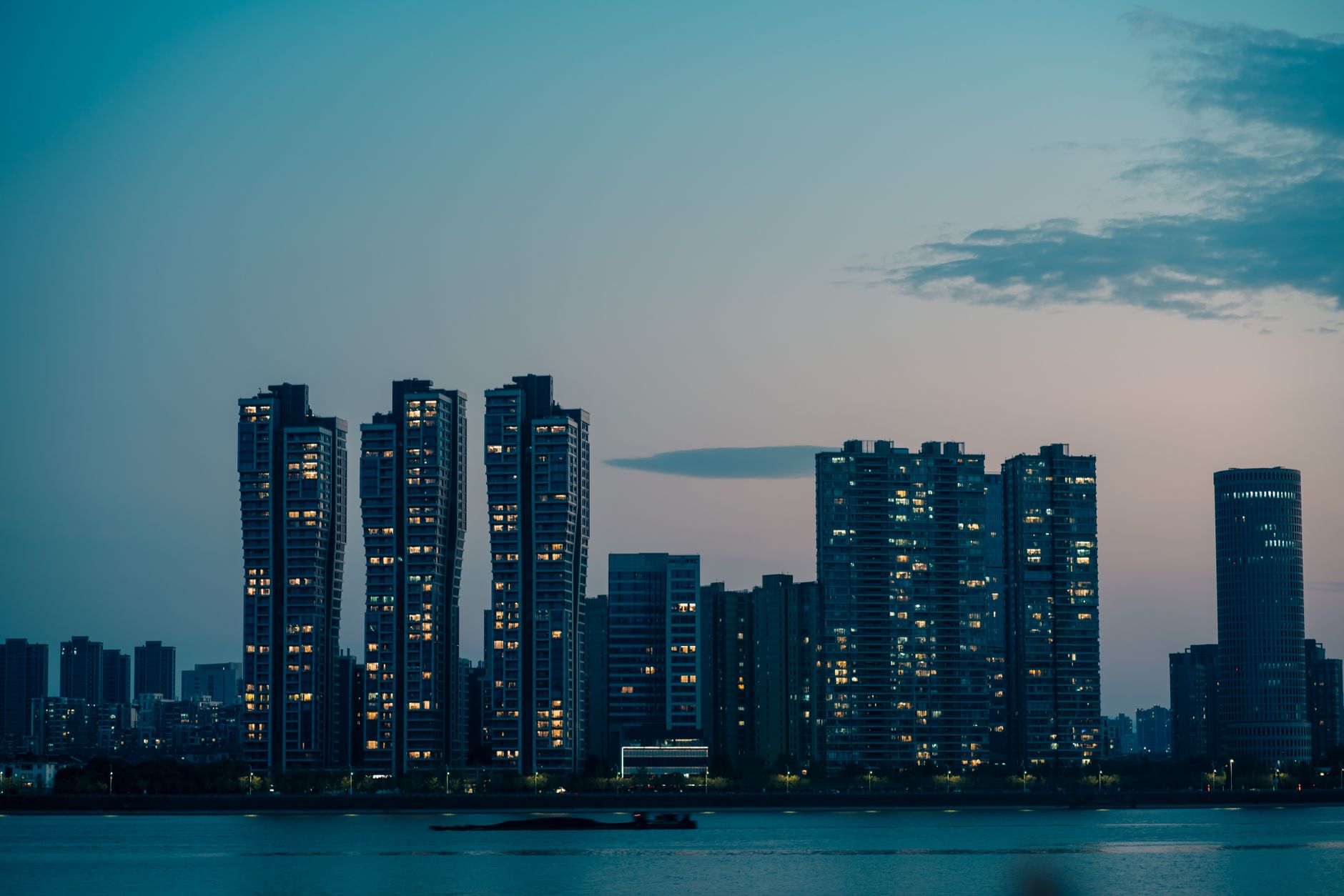
Blue hour occurs shortly before sunrise and after sunset, usually lasting around 30 minutes. This is the time when the sky takes on dramatic, cool tones, created by a color temperature of 8000-12000 K. The light during this time is ideal for urban photography, where you can balance the natural cool light with the warmer artificial street lighting. Properly preparing equipment and acting quickly is key to capturing this fleeting moment.
The Impact of Seasons on Golden and Blue Hour
The duration and intensity of golden and blue hours change with the seasons. In summer, golden hours occur earlier in the morning and later in the evening, offering long moments for photography. In winter, the same hours may happen significantly later in the morning and earlier in the evening, but are shorter and less intense. Latitude also plays a role — the closer you are to the poles, the more extreme these differences become. Planning sessions based on these changes is crucial for maximizing light.
Tools for Planning Sessions During Golden and Blue Hour
Planning sessions during golden and blue hour is easier with dedicated apps. PhotoPills and The Photographer's Ephemeris help determine the exact duration of these hours, depending on location and season. Weather apps like Windy.com or Clear Outside provide information about cloud cover, which can affect light quality. Using these tools, you can precisely plan your session, eliminating the risk of unforeseen lighting issues.
Enhancing Portrait Photography in Golden Hour
During golden hour, the light is soft and gentle, making it ideal for portraits. Shooting a model with their back to the sun can create a rim light effect that highlights the silhouette's contours. Conversely, placing the figure sideways allows for the classic side light effect, adding depth and drama to photos. It is essential to pay attention to camera settings: low ISO, medium aperture, and short shutter speed to ensure sharpness and detail.
Landscapes and Long Shadows of Golden Hour
Landscapes photographed during golden hour take on a magical character thanks to long shadows and warm tones. Be mindful of the right settings: medium aperture (e.g., f/8), low ISO (e.g., 100-200), and appropriate shutter speed to capture the beauty that makes the scenery seem to glow. It's also worthwhile to experiment with polarizing filters to enhance colors and reduce glare, adding more depth to your images.

Urban Photography During Blue Hour
Blue hour is the perfect time for urban photographers. Views from bridges or rooftops provide opportunities to capture the contrast between the natural, cool sky and the warm street lights. Using a tripod is crucial due to the longer exposure times required to balance the light properly. Setting a low ISO and opening the aperture (f/4-f/5.6) increases light permeability while maintaining photo sharpness.
Common Mistakes When Planning Sessions During Golden and Blue Hour
One common mistake is planning a session for a specific hour (e.g., 5 PM) without checking the sunset time in advance. Another error is ignoring cloud cover; cumulus clouds can add drama, while a clear stratus sky may be too monotonous. The last mistake is being unprepared with gear, leading to missed opportunities for key shots before the light completely fades. It is advisable to have everything ready at least 15 minutes before the target hour.
How Picvelo Can Help
Picvelo makes managing photos from golden and blue hour sessions easier with advanced client gallery features. Easily select and share your best shots using the client photo selection option. Secure your work with online watermarking to protect it from unauthorized use. Visit pricing to learn more about our plans.
Summary
Planning photo sessions during golden and blue hour can drastically enhance the quality of your images, emphasizing details and creating a unique atmosphere. Utilize the tools and tips described in the article to fully capitalize on these magical moments. Discover new possibilities with Picvelo! FAQ
FAQ
How long does golden hour last?
Golden hour typically lasts about one hour just after sunrise and just before sunset, but its duration depends on the season and latitude. It lasts longer in summer and shorter in winter.
What is blue hour?
Blue hour is the period shortly before sunrise and after sunset, lasting about 30 minutes. During this time, the light takes on cool, blue tones, creating a magical atmosphere, particularly in urban settings.
Which apps help in planning golden hour?
PhotoPills, Sun Surveyor, and The Photographer's Ephemeris are popular apps that assist in planning golden hour. They provide precise information about sunrise and sunset times as well as light direction at a specific location.
Does the weather affect golden hour?
Yes, the weather significantly impacts the quality of light during golden hour. Clouds can diffuse light, creating soft lighting conditions, or may completely obscure the sun, diminishing the effect of golden hour.
How to avoid mistakes when planning a session?
To avoid mistakes, always check the weather forecast and sunset time. Ensure you have all the necessary accessories ready before the session begins to avoid losing precious light moments.
Is golden hour better than blue hour for portraits?
Golden hour is usually better for portraits due to the warm, soft light that creates a pleasing skin tone and gentle shadows. Blue hour is more suitable for dramatic landscapes and urban scenes.
Comments (0)
No comments yet. Be the first!