
In an era of professionalization in photography services, securing your income is key to a peaceful work environment and comfort for both photographer and client. Deposits and proper management of payments can effectively safeguard against financial losses in case of sudden session cancellations. How can you set clear and safe payment rules to satisfy both parties? In this article, we will learn how to effectively manage the collection of deposits and the overall settlement of photography services while avoiding misunderstandings and conflicts.
Why Collect Deposits?
Collecting deposits in photography is not only a method to safeguard income but also a way to solidify professional relationships with clients. By agreeing to a deposit, the client shows commitment and willingness to collaborate. A deposit, usually ranging from 20–30% of the total amount, helps cover basic costs and secures the photographer's calendar. It serves as a guarantee for both parties — the client knows the photographer is fully available at the agreed time, while the photographer gains assurance that the client will not back out without reason.
Clear Payment Terms in the Contract
A contract is a fundamental element of any professional collaboration. It should contain detailed information about the deposit, total compensation, payment deadlines, and conditions for refunding the deposit. A clause about the non-refundable nature of the deposit in case of last-minute cancellations protects the photographer from financial losses caused by the client's irresponsible behavior. It is important that the terms are clear and acceptable for both parties, making the contract a solid basis for cooperation and a source of trust.
Payment Models: Traditional Transfer vs. Online Payments
Today, photographers have many payment options to offer their clients. Traditional bank transfers are still popular, especially among clients who prefer direct settlement methods. On the other hand, online payments provide speed and convenience, often allowing for immediate transaction confirmation. Platforms like PayPal or Stripe are commonly used for international transactions. The choice of payment method should be based on client needs and the specifics of the market in which the photographer operates.
Gallery Lock as a Form of Security
Many photographers use a gallery access lock as a natural form of security against incomplete payments. With this method, the client does not gain access to the final photos until the full payment is settled. It serves as an effective and gentle reminder of the payment obligation, reducing the risk of conflicts. It is important that such a mechanism is clearly presented in the contract and communicated to the client from the very beginning of the collaboration. client zone, client photo selection
Invoicing and Payment Deadlines
Reliable invoicing is another key element in the settlement process with clients. An invoice should include all relevant information, such as the issue date, payment due date, transaction details, and contact information. Setting clear payment deadlines, for example, 7 or 14 days after the session ends, helps maintain financial liquidity. Reminders about upcoming payment deadlines sent a day or two before they occur can also be helpful.
Communicating with Clients About Financial Matters
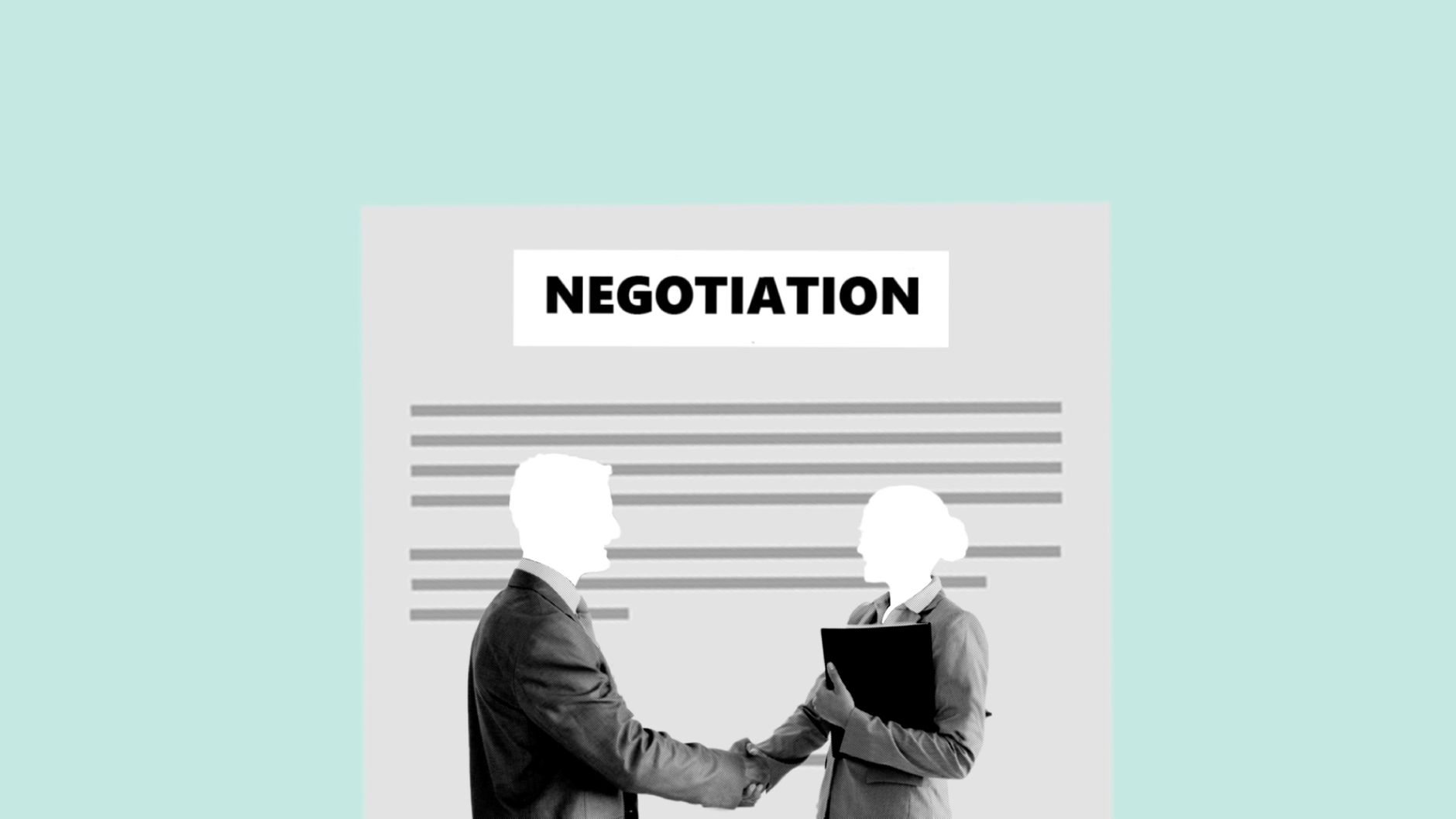
Transparent communication with clients regarding financial matters is the foundation of successful collaboration. It is important to avoid situations where payment issues become a source of misunderstandings. It is advisable to clarify all conditions related to compensation at the negotiation stage and to discuss them in detail in the contract. Regular reminders and proactive resolution of any financial problems build trust and improve relationships between the parties.
Practical Tips on Avoiding Payment Issues
Avoiding payment problems is possible with a few practical tips. First and foremost, always have a clear contract in place, which provides a solid legal foundation. The next step is to utilize technology for tracking payments and communication, such as CRM systems. It is also crucial not to neglect the negotiation phase and to respond quickly to any inquiries from the client. Monitoring payment deadlines and sending regular reminders can significantly ease the process.
How to Maintain Professionalism in Payment Matters
Professionalism in payment matters goes beyond just appropriate behavior. It is about building trust through transparency and reliability in every aspect of collaboration. Photography is not only a passion but also a business that requires a professional approach. Avoiding haste, considering every situation from both parties' perspectives, and continuously educating oneself about financial management and online tools are elements that can contribute to building lasting relationships.
How Picvelo Can Help
Picvelo helps photographers manage payments professionally. Our gallery system allows you to lock photo downloads until payments are settled, safeguarding your income. With Picvelo, you can also easily apply watermarks, protecting your work from unauthorized use. Check our pricing and discover the benefits of our platform.
Summary
Securing income in photography is key to a peaceful work environment. Effective management of deposits and payments not only protects your finances but also builds solid, trust-based relationships with clients. Try Picvelo and revolutionize your practice. Discover our pricing and gain peace of mind.
FAQ
Is a deposit non-refundable?
Deposits are usually non-refundable, especially if the client cancels the session at the last minute. This protects the photographer from losing income.
What percentage should the deposit be?
A deposit for a photo session typically ranges from 20-30% of the total service amount. The amount depends on the contract and individual agreements with the client.
What are the safest forms of payment?
The safest forms of payment are traditional bank transfers and trusted online payment platforms like PayPal or Stripe, which ensure quick transaction verification.
Can a photographer refuse a session without a deposit?
Yes, many photographers require a deposit to secure a booking. This safeguards their interests and helps avoid unexpected cancellations.
What is the deadline for the remaining payment?
Payment deadlines are usually set individually and can range from 7 to 14 days after the session ends or before the photo gallery is made available.
How to avoid payment disputes?
To prevent disputes, it is advisable to have a clear contract and maintain open communication. Clarifying all financial matters at the beginning of the collaboration significantly reduces the risk of conflicts.
Comments (0)
No comments yet. Be the first!