Choosing your first lens is one of the most critical tasks for any photographer. Prime or zoom? While each has its unique characteristics, this decision can be challenging. In this article, we will explore the advantages and disadvantages of both types to help you make the best choice for you. Regardless of your photography style, there is a lens perfectly suited to your needs and budget.
Advantages of Prime Lenses
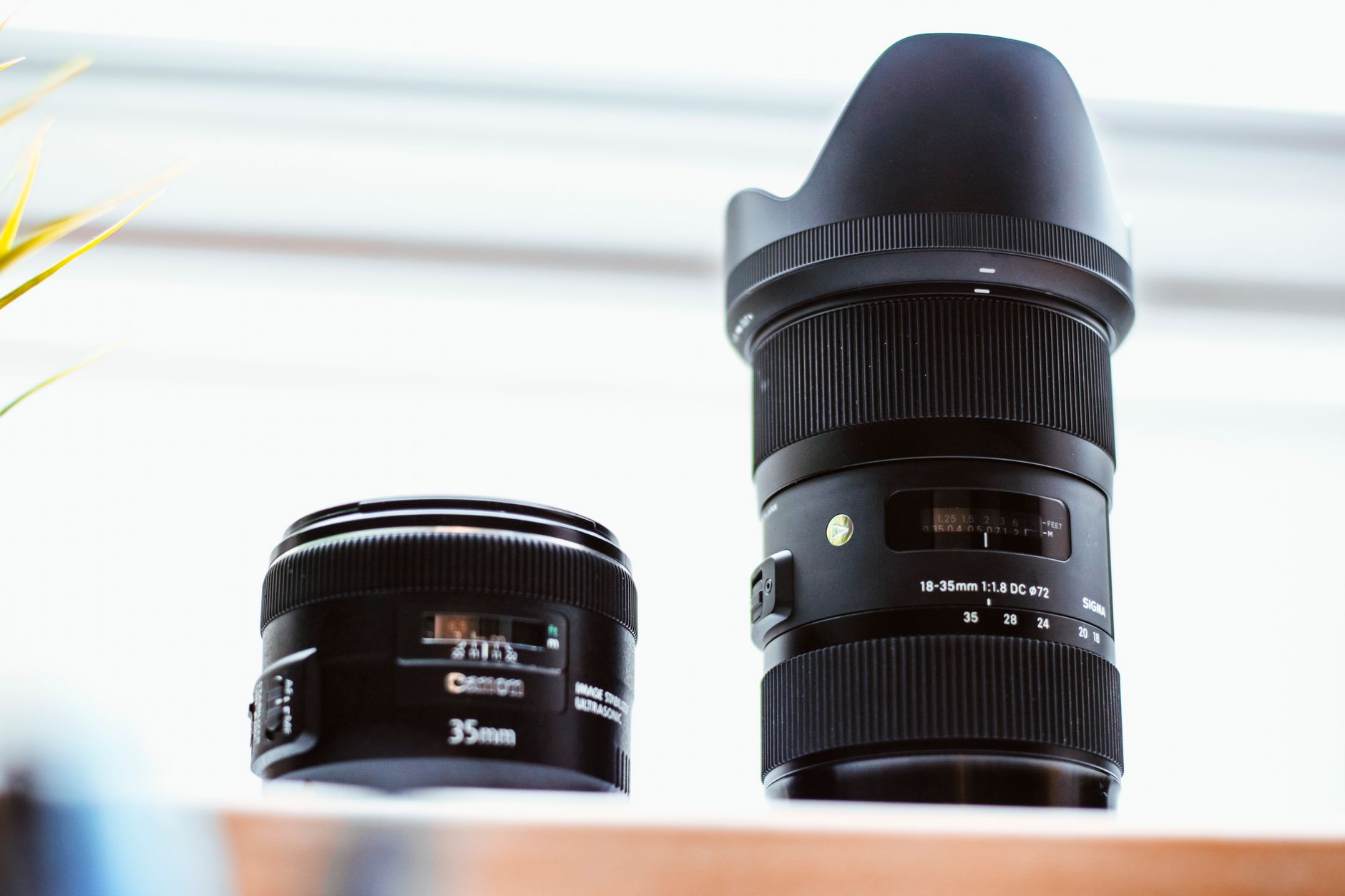
Prime lenses, known for their fixed focal length, offer several significant benefits. Firstly, they provide much greater brightness due to their wide apertures, often reaching f/1.4 or broader. This allows for low-light photography and beautiful blurred backgrounds (bokeh). Additionally, these lenses usually come in a smaller, lighter form factor. For instance, a 50mm f/1.8 weighs only about 160g, making it an excellent companion for long shooting sessions. Prime lenses also typically deliver better image quality. Due to their simpler optical design, they are less prone to chromatic aberrations and other optical flaws. Photographers who physically "zoom with their feet" often improve their composition skills by actively changing positions to achieve the best angle.
Disadvantages of Prime Lenses
Despite their numerous advantages, prime lenses have some limitations. The most significant is the lack of focal length versatility, which means you'll need multiple lenses for different types of photography. For example, while a 50mm f/1.8 may be great for portraits, it might fall short for landscapes or street photography. Another drawback is the frequent need to switch lenses, which can be cumbersome, especially in changing conditions or when in a rush. This also comes with a higher risk of dirtying the sensor or optical elements of the camera. Moreover, in tight spaces where stepping back or getting closer to the subject isn’t always possible, this limitation can pose a challenge. Therefore, when opting for a prime lens, it's worth considering your primary needs and photography style.
Advantages of Zoom Lenses
Zoom lenses offer incredible versatility with their variable focal lengths. One lens, such as the popular 24-70mm f/2.8, allows you to shoot both landscapes and portraits without needing to change equipment. They enable quick frame switching, which is invaluable in dynamic situations like sports or wedding photography. By reducing the number of lens changes, you also minimize the risk of sensor dust, which is particularly important in the field. The flexibility of zooms not only facilitates work but also provides greater freedom in composing shots, which is a significant advantage when working in tight spaces. Many modern zooms feature advanced image stabilization systems, allowing you to capture sharp images even at longer exposure times.
Disadvantages of Zoom Lenses
Zoom lenses, while incredibly practical, also have their downsides. One of them is typically their greater weight and size. For instance, a professional zoom lens like a 24-70mm f/2.8 weighs about 800g, which can be considerably more cumbersome than a lightweight prime lens. Another limitation is often lower brightness compared to primes. Even the best zooms rarely offer apertures wider than f/2.8, which limits their usability in low-light conditions and can make achieving a blurred background more challenging. Additionally, the optical quality can be somewhat inferior. Most zooms have complex optical designs, which can lead to higher levels of chromatic aberrations, distortion, and other flaws. Therefore, if the highest image quality is a priority, it is worth considering purchasing prime lenses.
Ideal First Lenses for Beginners
For someone starting their photography journey, a reliable 'nifty fifty' or a 50mm f/1.8 lens is often an ideal choice. It is the most affordable prime lens in most systems, offering high image quality and beautiful bokeh. Another option for APS-C sensor owners might be a 35mm f/1.8, which is equivalent to 50mm on a full-frame camera. It's a great choice for street photography and environmental portraits. If the budget permits, consider also investing in an 85mm f/1.8 lens, highly appreciated by portrait photographers. It allows for beautifully isolated portraits with shallow depth of field. Buying a prime lens is a step towards enhancing your skills and sharpening your photographic senses.
When is it Better to Start with a Zoom?
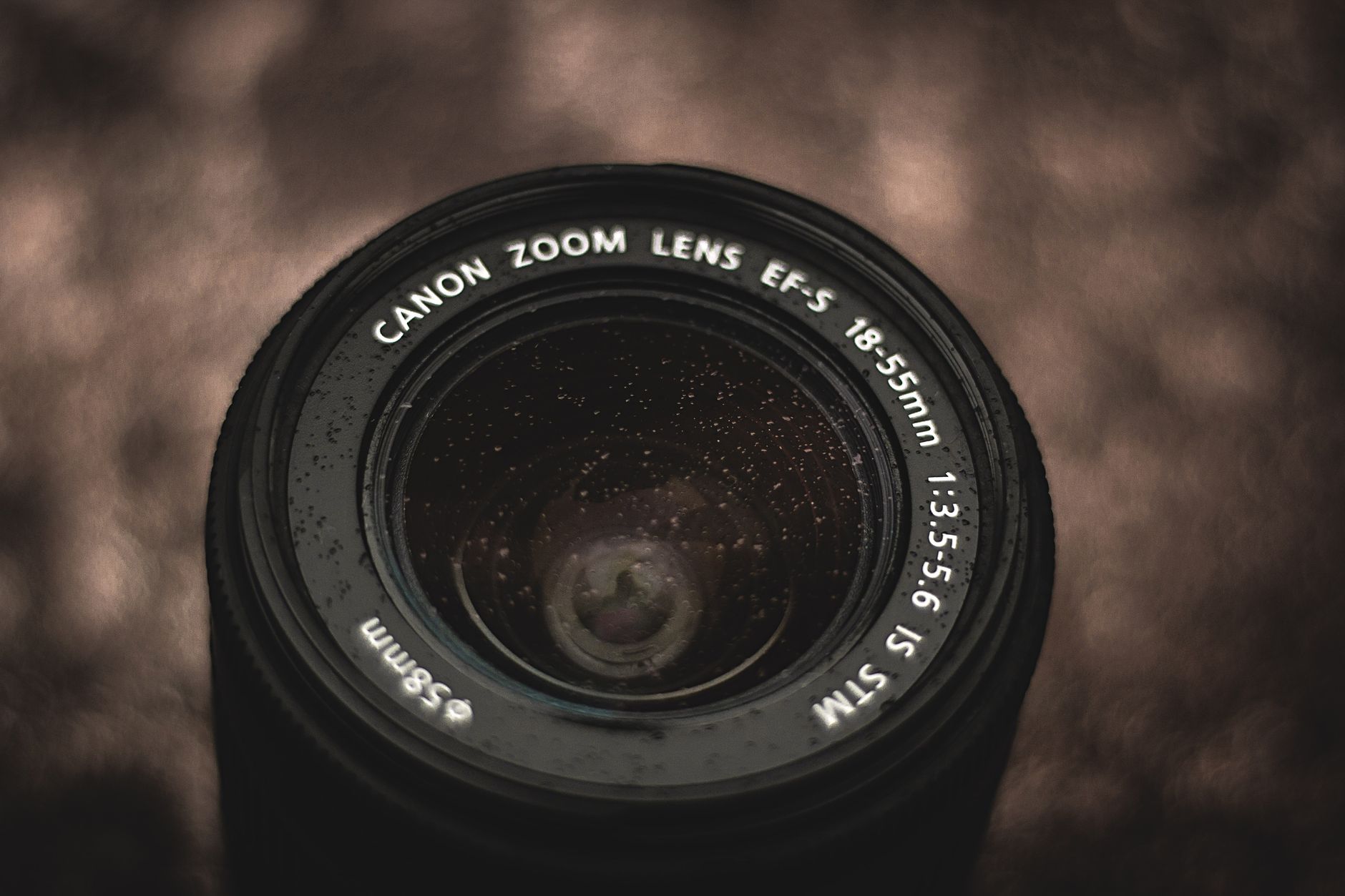
Although prime lenses are often recommended as the first choice, there are situations where a zoom lens may be a better solution right from the start. If you're photographing dynamic scenes such as sports or events, a zoom will let you capture rapidly changing scenes without having to switch lenses. Versatile zooms like the 24-70mm are incredibly practical in wedding photography, where every moment is crucial. In reportage where time to change lenses is limited, a zoom offers invaluable flexibility. In tight spaces or on cramped city streets, the flexibility of a zoom lens becomes indispensable, and its versatility allows for experimentation in various conditions.
Is There a Middle Ground?
While the choice between a prime lens and a zoom depends on individual preferences and types of photography, a solution often lies in purchasing both, but in the right order. It's wise to start with a simple prime lens like the 50mm f/1.8 to learn fundamental photography techniques and appreciate the quality they offer. Over time, you can enrich your collection with a versatile zoom that allows greater flexibility for more diverse projects. Understanding both types of lenses and their applications will help you better match your equipment to your individual needs and working style.
Choosing a Lens vs. Budget
Both prime and zoom lenses can significantly impact a photographer's budget, so it's essential to plan expenses carefully. Prime lenses are typically cheaper, making them an attractive choice for beginners. A popular 50mm f/1.8 costs around 400-600 PLN, while a basic zoom starts at several thousand PLN. For more advanced users, investing in a higher-end zoom like the 24-70mm f/2.8 makes sense only when they genuinely need the flexibility and versatility offered by such a lens. A financial plan should consider both current needs and future directions in photographic development, allowing for balanced growth and avoiding unnecessary expenses.
How Picvelo Can Help
Picvelo offers tools to help you better manage your photo gallery. With our platform, you can easily share images with clients, add watermarks, and organize selections, all in one place. Utilize Picvelo to streamline your workflow and focus on what matters most – creating exceptional photographs.
Summary
Choosing the right lens is a crucial step in photographic growth. Regardless of your decision, remember that any lens, whether prime or zoom, can serve as a tool to affirm your style and creativity. Consider your needs, budget, and photographic goals. Start experimenting, evolving, and discovering new possibilities with your camera.
FAQ
How much does a prime lens cost?
Prime lenses typically start at around 400-600 PLN for models like the 50mm f/1.8. More advanced models, such as the 85mm f/1.8, can cost from 1800 PLN.
Is a zoom lens better than a prime lens?
It cannot be said that one type is better than the other. Zoom provides flexibility in focal lengths, while prime generally offers better image quality and often performs better in low light.
What lenses are best for portrait photography?
For portraits, the 85mm f/1.8 lens works excellently. It provides superb background blur and sharpness at the focus point. Alternatively, the 50mm f/1.8 is also a good choice for beginners.
Should I invest in an expensive lens at the beginning?
It depends on your needs and budget. For most beginners, investing in an affordable but solid prime lens like the 50mm f/1.8 is the ideal starting point.
What lens for sports photography?
Sports photography requires flexible lenses with fast autofocus. A good choice is the 70-200mm f/2.8 zoom, which offers a wide range and responsiveness.
Is it worth buying a used lens?
Yes, buying a used lens can be a budget-friendly solution. Just make sure to check its technical condition before purchasing, and it's best to buy from trusted sellers.