
Landscape photography is the art of capturing the beauty of nature in all its glory. However, if you've ever tried to capture an image with clear details from the foreground to a distant horizon, you know how challenging this mission can be. The key to success is understanding and utilizing hyperfocal distance. With this technique, you will gain sharp photographs that will impress your audience. In this article, we will guide you through the necessary steps to master this concept and show you how to use it effectively in practice.
What is hyperfocal distance?
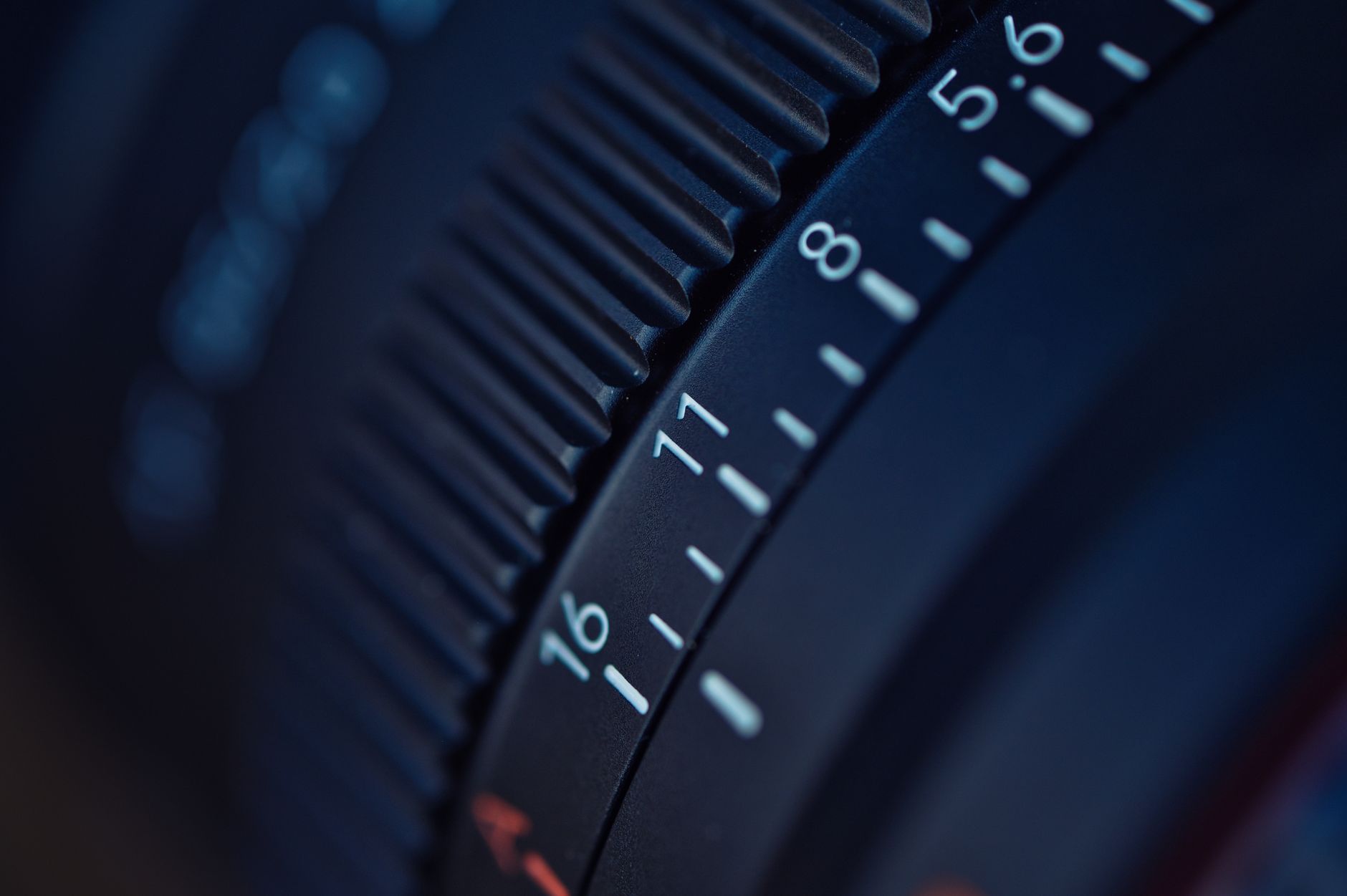
Hyperfocal distance is the distance at which you set your focus to achieve maximum depth of field in landscape scenes. When the focus is set at this distance, everything from half of that distance to infinity is sharp. For a 24mm f/11 lens on full frame, the hyperfocal distance is about 1.4 meters, and for a 16mm f/8 lens, it's about 1 meter. Utilizing hyperfocal distance allows for effective use of the camera and lens potential, which is crucial in landscape photography where we often want to capture details both in the foreground and background.
Why isn't focusing on infinity enough?
Most beginner photographers instinctively set the focus to infinity, believing it ensures sharpness for the entire scene. Unfortunately, this leads to wasting half of the depth of field that could be better utilized. By focusing on infinity, part of the scene from the camera to the hyperfocal point remains blurry. Understanding hyperfocal distance allows for better use of the available depth of field, ensuring sharp images from the foreground to the horizon, which is vital in landscape photography.
How to calculate hyperfocal distance?
Calculating hyperfocal distance requires knowledge of your camera and lens parameters. It can be calculated manually using available formulas, or you can use apps like PhotoPills and DOFMaster. Online calculators also offer these functions. Just input the appropriate parameters such as focal length, aperture, and sensor format. With these tools, calculating hyperfocal distance becomes easier, especially when working in the field where every minute is precious.
Practical use of hyperfocal distance
To effectively apply hyperfocal distance in practice, first set your lens to the correct aperture and check the calculated hyperfocal distance for the scenario. Set your camera on a tripod, using live view mode with 10x magnification for precise focus. Remember to consider mirror lock-up and self-timer to minimize vibrations that could ruin the shot. After taking the photo, check the sharpness on the screen to ensure everything is as sharp as you expect.
When to use focus stacking?
Although hyperfocal distance is an excellent tool, sometimes it's not enough, especially when you want sharpness on both a very close foreground and a distant background. In such situations, focus stacking is helpful. This technique involves taking several shots with different focus settings, which you then blend together. This is particularly useful in macro photography or when you have an interesting foreground in the landscape. Focus stacking gives you incredible sharpness throughout the frame, even when hyperfocal distance isn't sufficient.
Scenarios when 'sharp everything' isn't the goal
Sharpness throughout the entire scene is not always desired. In some situations, such as outdoor portraits, we may prefer a blurred background that highlights the subject being photographed. Similarly, in photography of intimate nature details, where we focus on one element with an artistically blurred background. A creative choice can also be bokeh before the foreground, adding magic and depth to the photo. In such cases, it's worthwhile to consciously use limited depth of field as an expressive tool, abandoning the 'sharp everything' rule.
5 steps to a sharp landscape
Here’s a simple recipe for achieving a sharp landscape:
- Set the aperture to a value that allows for reasonable depth of field (e.g., f/8, f/11).
- Calculate the hyperfocal distance using an app like PhotoPills.
- Set the camera on a tripod, ensuring stability.
- Use live view with magnification and mirror lock-up.
- Take the photo using the self-timer and check sharpness on the screen.
With these steps, you'll achieve images of extreme sharpness that will astound viewers.
Choosing gear and camera settings
For landscape photography, it is recommended to use DSLRs or mirrorless cameras with good wide-angle lenses, such as 16-24 mm. Suitable settings are aperture f/8 to f/11, low ISO (preferably 100), and a tripod for stability. Using such settings helps achieve maximum depth of field and a clear image, mitigating the risk of camera shakes. Additionally, we should mention the use of supporting tools, such as apps for calculating hyperfocal distance – they are invaluable in optimizing settings.
How Picvelo Can Help
Picvelo makes it easy for users to showcase their best landscape photographs. Online galleries enable easy sharing of photos with clients and selecting the best shots using intuitive tools client photo selection. The ability to protect works with watermarks online watermarking ensures security. Check out our pricing for all available options.
Summary
Applying hyperfocal distance in landscape photography significantly raises the quality of images. Following a few simple technical principles allows you to create photographs that will impress viewers with their sharpness. If you want to learn more about organizing and selecting your best photos, visit our pricing.
FAQ
How much does the PhotoPills app cost?
PhotoPills is available on the App Store and Google Play for a one-time fee of about $10-15. It’s an investment for photographers looking for tools for precise photo planning.
Is it worth using focus stacking instead of hyperfocal distance?
Focus stacking is helpful when details in the very close foreground are important. Hyperfocal distance gives sharp images in landscapes. These techniques complement each other.
What are the benefits of using a tripod in landscape photography?
A tripod increases the stability of the camera, eliminating shakes. It allows the use of longer exposure times and low ISO for better image quality.
Does hyperfocal distance affect photo quality?
Yes, correct setting increases the sharpness of the entire photo, utilizing the full depth of field available from the lens. This is crucial for landscapes.
How to set the AF point at 1/3 of the frame from the bottom?
By enabling live view mode, set the grid line on the screen. Position the AF point at the lower one-third of the frame using the active grid.
What to do when a scene requires more than one focus point?
Use focus stacking to combine several photos taken with different focus points. This allows for sharpness across the entire range.
Comments (0)
No comments yet. Be the first!