
Leading lines in photography is a technique that can significantly enhance the quality and appeal of your images. These visual lines guide the viewer's eye along the photograph, adding depth and dynamism. For many beginner photographers, this technique can be the key to creating more striking and coherent shots. In this article, you'll learn how to effectively use leading lines, the most common mistakes to avoid, and the settings that will help you achieve the best results.
What are leading lines?
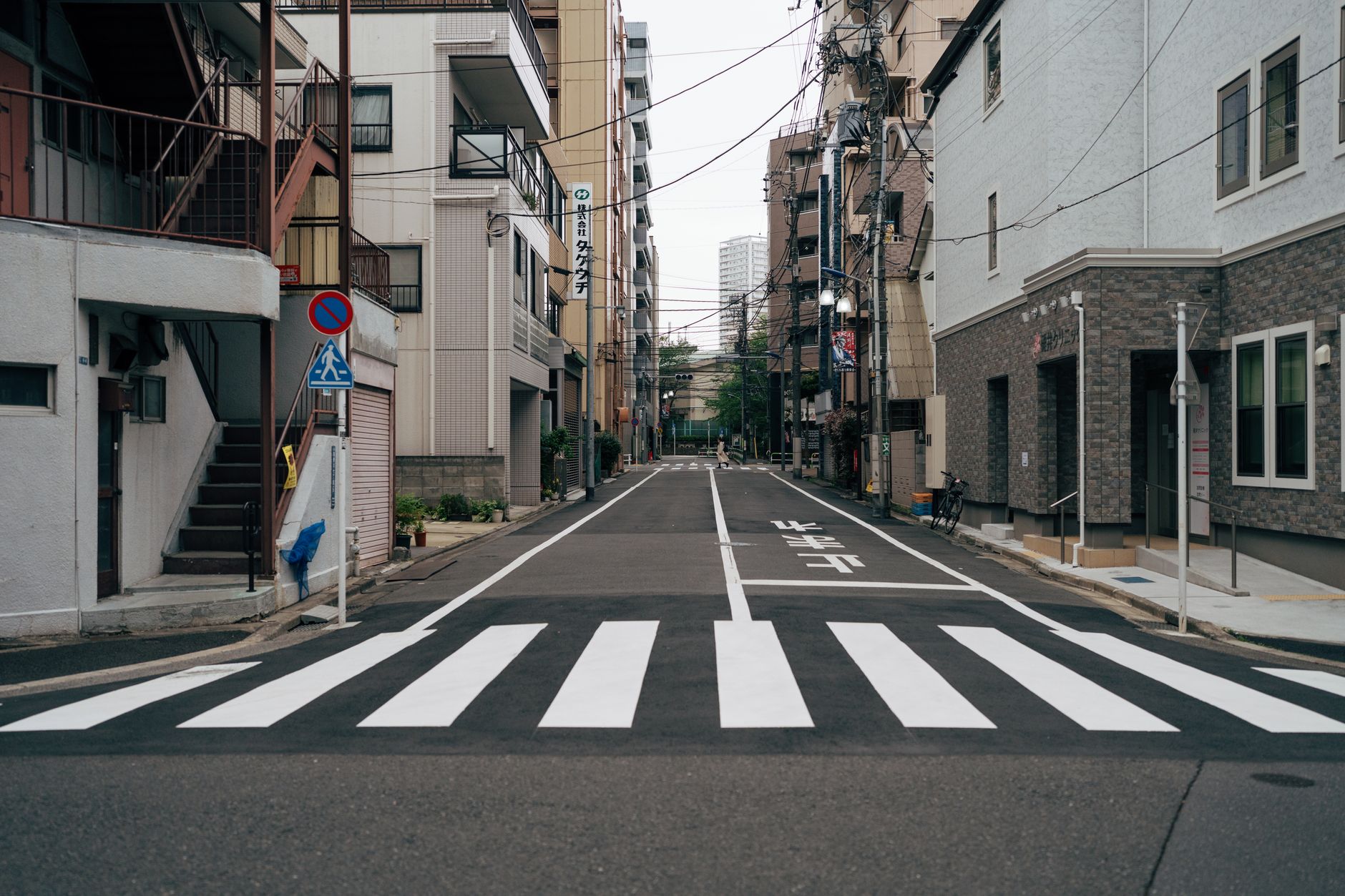
Leading lines are compositional elements that direct the viewer's gaze in a specific direction. They can be straight, curved, diagonal or zigzagged. Their purpose is to lead the viewer to the main object in the photograph, creating a visual path that increases interest in the image. Leading lines are most often found in landscapes, which can be roads, rivers, fences, or bridges. In urban photography, lines can come from tracks, buildings, or street arcades. Well-applied leading lines add depth and make the composition more harmonious.
How to find and use lines outdoors
Finding leading lines outdoors requires a keen eye and imagination. In natural terrain, look for paths, riverbeds, or ocean edges. In cities, lines can be created by buildings, roads, stairs, and infrastructural elements. When framing photos, pay attention to how the lines direct the gaze towards the main subject. When setting up the camera, it’s advisable to use short exposure times to avoid blurring moving elements. An aperture of f/8 or f/11 will help achieve sharpness across the entire image. Experimenting with different viewpoints is also worthwhile.
Techniques for photographing with leading lines
To effectively use leading lines, it’s wise to start with the right camera settings. ISO should be as low as possible to avoid noise. For daytime photography, ISO values of 100-200 are optimal. Using manual mode is also a good practice, as it allows for better control over composition and exposure. Utilizing wide-angle lenses captures more of the environment, enabling better integration of lines into the shot. An aperture between f/8 and f/16 increases depth of field, which is important with this technique.

Situations for applying leading lines
Leading lines are incredibly versatile and can be used in numerous photographic scenarios, from portraits to architecture. In architectural photography, vertical lines created by building facades add dynamism to the images. In portraits, lines can come from background elements like walls or stairs, directing the gaze towards the subject. In nature photography, lines formed by paths or rows of trees provide harmonic coherence to images and guide the gaze along the composition.
Avoiding common mistakes
When using leading lines, be careful not to overdo their quantity, as this can lead to visual chaos. It’s crucial that the lines are distinct and effectively lead to the main subject of the photo. Pay attention to the horizon. A poorly positioned horizon can disrupt the entire composition. Regularly check sharpness, especially when using wide-angle lenses. Also, avoid misleading lines that might distract from the key element of the photograph.
Inspirations from leading lines
Inspiration can be drawn from many sources by observing the works of well-known photographers or exploring new locations. Instagram and photography-focused websites are excellent places to discover various applications of leading lines across different photography genres. It's also worthwhile to experiment with different times of day and lighting conditions. A leading line in a desolate area during sunset takes on a unique expression, just as reflections in urban puddles after rain do.
Photography with leading lines in black and white
Black and white photography can enhance the effects of leading lines by removing unnecessary colors and focusing on shapes and structures. The play of light and shadow is crucial in such shots, adding drama and emphasizing form. Experimenting with contrast and sharpness allows for striking photos. The black-and-white format also highlights the geometric elements of the image, enhancing the main lines of composition.
The importance of leading lines in storytelling
With leading lines, we can create true visual stories. Each line in a photo has the potential to become a character—it leads, shapes the story, and engages emotions. The composition influences the creation of a narrative that captivates the viewer. Combined with other elements like colors or contrasts, lines create incredible transitions in photographic storytelling. With them, you can emphasize the dynamics of the scene or focus attention on a mysterious element in the background.
How Picvelo Can Help
With Picvelo, you can easily create client galleries that showcase your work with leading lines beautifully. Thanks to photo protection options like watermarks, your images will be secure. Additionally, Picvelo allows you to sell prints directly from your galleries, simplifying your workflow and increasing profits. Learn more about our services at pricing.
Summary
Photography with leading lines is a powerful tool that every photographer should master. Experiment, learn, and develop your skills by using lines to create more dynamic and engaging images. Start using this technique today and watch your photographs come to life.
FAQ
How to choose the right camera for photography with leading lines?
The most important feature is the ability to manually control settings. A good choice would be DSLRs or mirrorless cameras with interchangeable lenses.
What is the difference between straight and curved lines in photography?
Straight lines direct the gaze directly, while curved lines add dynamism to the photo and increase interest by guiding the viewer through more of the composition.
What lenses are best for this technique?
Wide-angle lenses are recommended for shots with leading lines, as they help capture a larger scene and allow for better integration of lines into the frame.
What camera settings are best for beginners?
For beginners, auto ISO is recommended, along with an aperture of f/8 to f/16 for greater depth of field and a shutter speed adapted to lighting conditions.
Is it worth using leading lines in portrait photography?
Yes, leading lines can help direct the viewer's attention to the model and add depth and context to the photograph.
How to avoid overcrowding a photo with leading lines?
Avoid overly complex compositions. Focus on one or two leading lines that will effectively guide the gaze towards the main subject of the photo.
Comments (0)
No comments yet. Be the first!