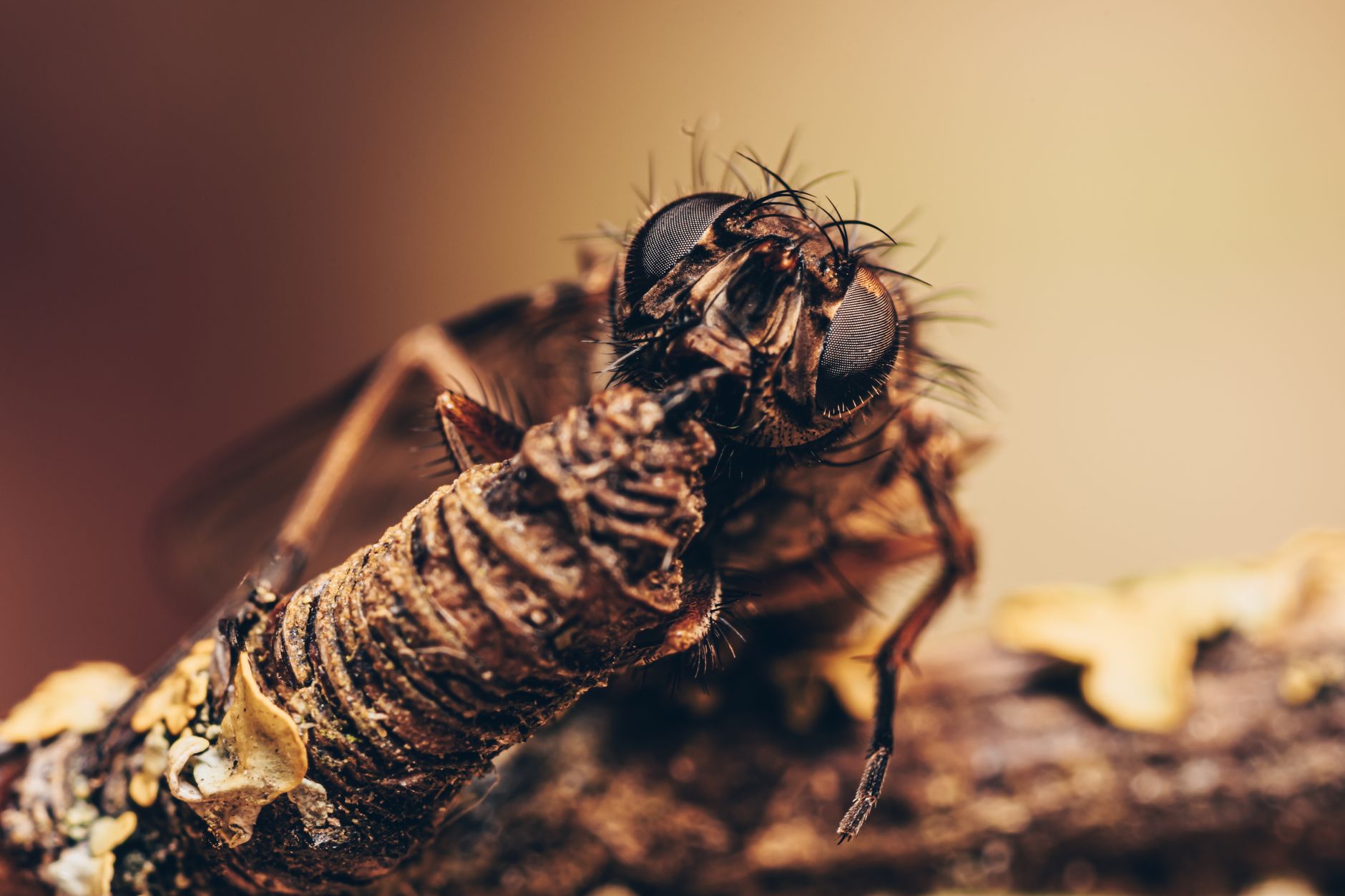
Macro photography is an exciting field that reveals the world on a completely new scale, often invisible to the naked eye. With macro photography, we can capture details that usually escape our notice, such as the subtle textures on an insect's surface or the tiny structures of flowers. However, it is a challenge that requires the right equipment and techniques.
In this article, we will cover the most important aspects of macro photography: from equipment selection, through ways to tackle technical difficulties, to practical camera settings. If you are wondering how to achieve photos with impressive magnification and maximum detail, this place is just for you. Learn how to apply techniques like focus stacking and how to light a scene to bring out its full potential.
Equipment for Macro Photography
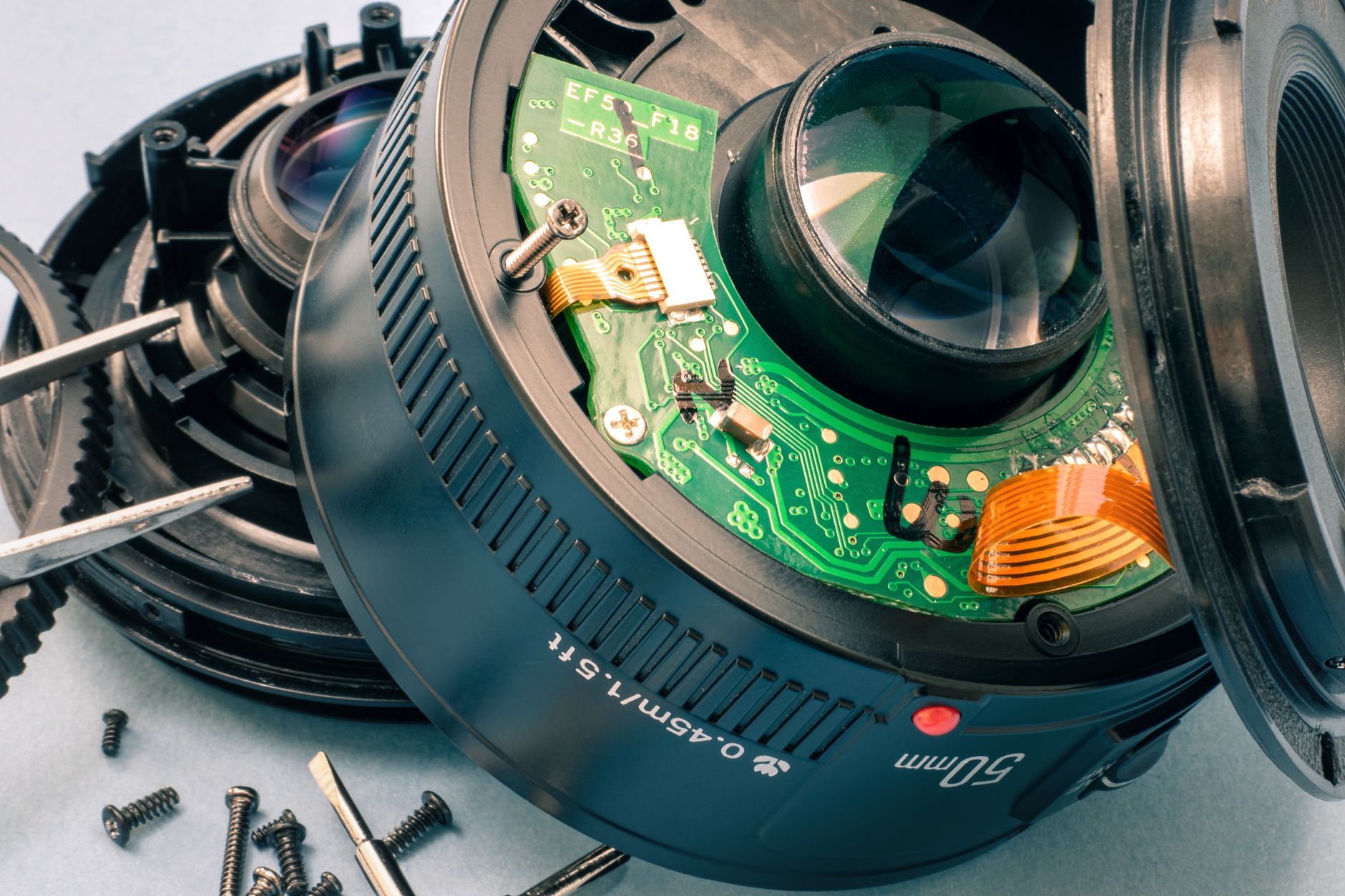
The essential tool in macro photography is dedicated macro lenses with a focal length of 90-105 mm and a 1:1 magnification. Lenses like Sigma Art, Sony FE, or Canon RF allow you to capture the smallest details and offer excellent image quality. An alternative to macro lenses are extension tubes that can shorten the minimum focusing distance of standard lenses, as well as bellows that enable greater magnifications than 1:1.
Investing in a macro tripod with a micrometric head is also worthwhile, as it facilitates precise framing and minimizes vibrations. This solution is particularly useful when working with long exposure times or in challenging lighting conditions. Regardless of the equipment chosen, proper lighting is crucial—ring flash or twin macro flash lamps can be particularly beneficial.
1:1 Magnification and Its Importance
1:1 magnification means that the subject on the camera sensor is represented in reality at the same size. This is a directional requirement for the photography to be classified as macro. At such magnification, we discover details previously inaccessible to us, such as the texture of an insect's skin or the structure of a flower petal.
However, working with 1:1 magnification is not easy—it requires extraordinary precision in camera settings. The depth of field in such a setup is extremely shallow, often only a few millimeters. Therefore, photographers often resort to the technique of focus stacking to overcome this limitation and achieve crisp images across their entire surface.
Extreme Shallow Depth of Field
One of the biggest challenges in macro photography is controlling depth of field, which at 1:1 magnifications is merely 2 mm, even when using an aperture of f/8. Practically, this means that only a small part of the photographed object will be in focus, while the rest will be blurred. To increase depth, photographers opt for larger f-stop values like f/11 or f/16.
Nevertheless, it often becomes necessary to apply the focus stacking technique, which involves taking a series of photos with adjusted focus. Each photo differs slightly from the previous one, and the whole sequence is later combined into one sharp image using specialized software.
Focus Stacking Technique
Focus stacking is a process in which a photographer takes a sequence of 10-30 photos with varying focus and then combines them into a single image with increased depth of field. This technique eliminates the limitations arising from shallow depth of field at 1:1 magnification.
To perform focus stacking, a stable tripod and a camera with manual focus control are required. In programs like Helicon Focus, Zerene Stacker, or Photoshop, we can compile all shots into one detailed image. Precision and patience are crucial here, as each shot must be taken with great attention to lighting and focus settings.
Lighting in Macro Photography
Lighting is a key factor in macro photography. Proper light helps to reveal details and contrasts, for example, using a ring flash or twin macro flash. These solutions allow for even lighting across the frame, which is particularly important at high magnifications.
When working outdoors, natural light is often complemented with reflectors that help model light and fill shadows. In the studio, continuous LED lighting can be used, allowing for precise control over the direction and intensity of light.
Practical Camera Settings
To achieve excellent results in macro photography, it's helpful to know a few practical camera settings. For static subjects like flowers, recommended settings include: ISO 100, aperture f/11, shutter speed 1/200 second, and use of a tripod. For moving insects in the field, where a tripod cannot be used, better settings would be: ISO 400, f/13, and 1/250 second with a ring flash.
These settings are a starting point and may require adjustments depending on lighting conditions and the specific characteristics of the photographed object. It's important to test various combinations and seek the best solution.

Technical Challenges and Overcoming Them
Macro photography presents numerous technical challenges. Camera vibrations can be minimized by using the mirror lock-up function and a 2-second delay self-timer. When photographing moving objects like insects, flash can freeze motion and ensure sharp images.
Another issue can be the combination of extremely shallow depth of field and details in the scene. Focus stacking is the answer to this challenge, but it requires patience and precision. Paying attention to the smallest details, such as lens cleanliness and framing settings, is also crucial.
Examples and Inspiration
Macro photography opens up many creative possibilities. Stunning images can be captured by photographing the textures of an insect's skin, the texture of flower petals, or by playing with light reflections in water droplets. You can experiment with different surfaces and lighting to achieve unconventional effects.
For instance, photographing a flower in a studio setting could include a black background that highlights its colors. In the field, attempts to capture insects will lead to vibrant and dynamic photos. It's also inspiring to use macro photography to capture details of architectural elements or ethereal abstractions, such as ice patterns on windows.
How Picvelo Can Help
Picvelo allows photographers to conveniently share macro galleries through an intuitive interface. You can upload high-resolution photos to clients while limiting access with watermarks. With the Picvelo platform, you can also manage print sales, providing a professional customer experience. Check out our offer at pricing.
Summary
Macro photography is a fascinating field that allows you to discover beauty in details that are invisible to the naked eye. With the right equipment and techniques such as focus stacking, it is possible to create images of extraordinary sharpness and detail. Ready for new challenges? Start your macro photography adventure and share your results on client photo selection.
FAQ
What are the best lenses for macro photography?
The best lenses for macro photography are those with a focal length of 90-105 mm and 1:1 magnification, such as Sigma Art, Sony FE, or Canon RF. They allow capturing the tiniest details with high quality.
Do I need a special tripod for macro photography?
Yes, a macro tripod with a micrometric head is particularly useful. It allows for precise composition of the frame and reduces vibrations, which is crucial at high magnifications.
What is focus stacking?
Focus stacking is a technique involving taking a series of photos with different focus and combining them into a single image. This solution increases depth of field in macro photographs.
What lighting is best for macro photography?
The best lighting includes ring flash or twin macro flash lamps, which provide even lighting in the frame. Outdoors, it's good to complement natural light with reflectors.
What are typical camera settings for macro photography?
For static subjects: ISO 100, f/11, and 1/200 s. For moving subjects: ISO 400, f/13, 1/250 s with flash. These settings should be adjusted to conditions.
Does macro photography require a lot of experience?
It requires an understanding of techniques and patience, but not necessarily extensive experience. Everyone can learn through practice and experimentation.
Comments (0)
No comments yet. Be the first!