
Landscape photography is a field that requires both patience and technical skills. Many beginner photographers wonder how to best capture picturesque landscapes, often grappling with the challenges of technique and equipment. Whether it's about choosing the right lens or skillfully using the golden hours, landscape photography offers numerous opportunities for experimentation and learning.
In this article, you'll find a comprehensive guide to landscape photography, covering equipment selection, composition techniques, and practical tips for planning your sessions. You'll learn about the filters to use, the importance of a sturdy tripod, and how to harness the best moments of the day to maximize the potential of natural lighting.
Choosing Equipment for Landscape Photography
Landscape photography requires the right equipment to capture the beauty of nature around us. A wide-angle lens, such as 14-24mm or 16-35mm, is fundamental for capturing expansive scenes. For photographers looking to focus on details or isolate subjects, a telephoto lens of 70-200mm is an excellent choice.
In addition to the lens, a sturdy carbon tripod with a ball head is an essential element. Such a tripod provides stability, which is crucial for long exposure times. Additionally, a remote shutter release or a camera remote control app can minimize the risk of blurring the image.
The Role of Filters in Landscape Photography
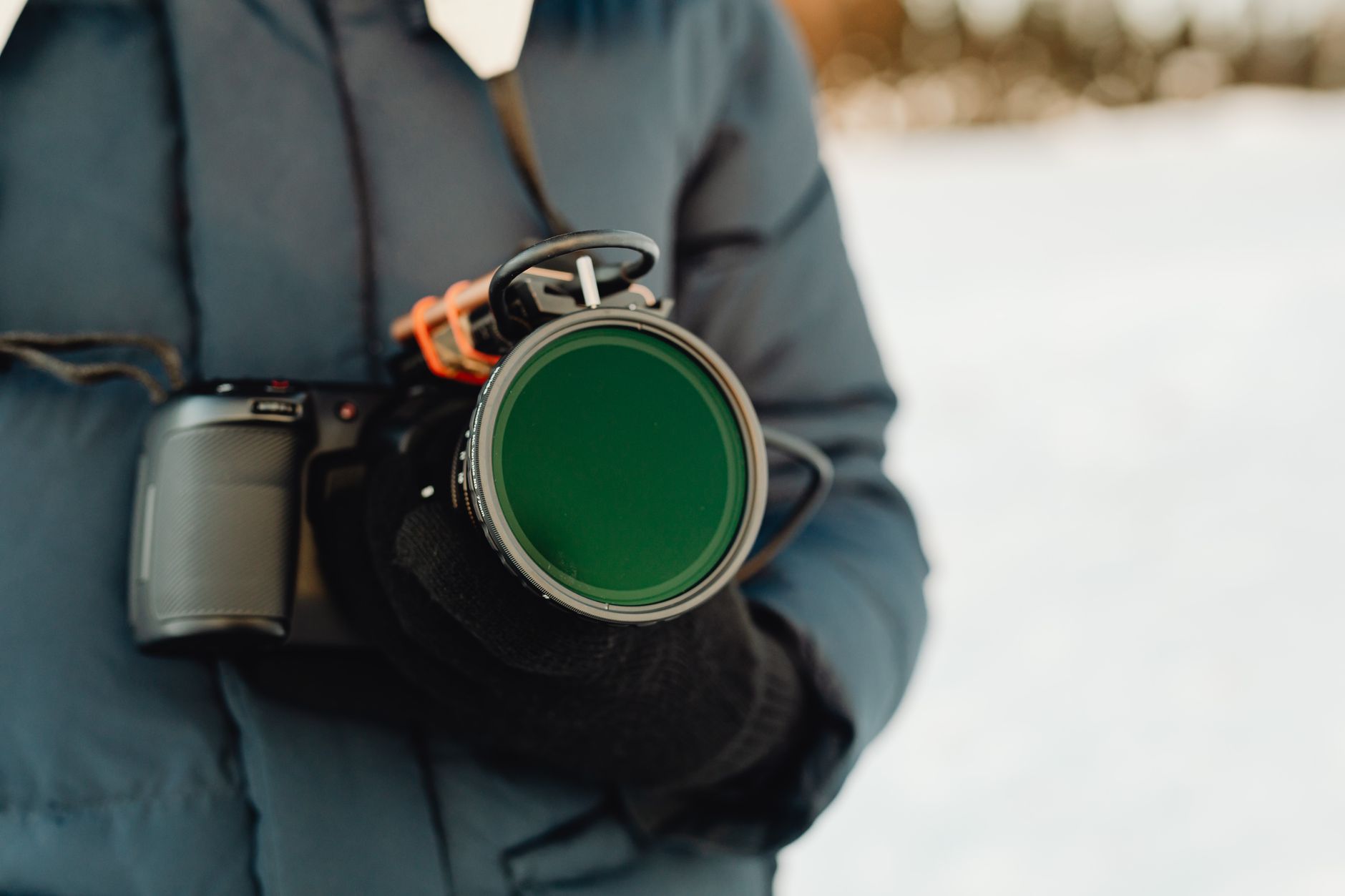
Filters are a crucial part of any landscape photographer's toolkit. A circular polarizer (CPL) is invaluable for eliminating reflections from water and enhancing color intensity. Neutral density (ND) filters allow for longer exposure times, enabling effects like blurring water or clouds.
Graduated neutral density (GND) filters are also important as they balance exposure between a bright sky and darker landscape elements. They work particularly well during sunsets and sunrises when the difference between the light and dark areas of a photo is most pronounced.
Technical Aspects of Landscape Photography
A good understanding of technique is essential in landscape photography. One basic concept is hyperfocal distance - the distance at which you should set your focus to achieve maximum depth of field. This allows for sharp images across a large range from the foreground to the horizon.
When shooting in manual mode (M), it’s advisable to control exposure using a histogram, employing the ETTR (expose to the right) technique. In situations where the tonal range of the scene is wide, exposure bracketing (e.g., -2, 0, +2) allows for later creation of HDR images that capture the full tonal range of the scene.
Planning and Choosing Locations for Sessions
Landscape photography is highly dependent on planning and weather. Helpful tools like PhotoPills or Sun Surveyor allow for precise determination of the sun's position or shadows. Cloud forecasts are equally important as they affect the spread of light. Preparing for a session also means arriving at the location early, usually about 45 minutes before the expected moment.
Exploring the territory helps find the perfect composition. Spending a long time in one spot can yield unique shots, especially if you remain vigilant to make small adjustments in the frame in response to rapid changes in lighting conditions.
The Importance of Golden Hours in Landscape Photography
The golden hours — just after sunrise and before sunset — are the best times for landscape photography. The warm, soft light gives scenes a magical appearance that is hard to replicate during the day. At this time, shadows are longer, and the color palette is warm, adding depth and drama to photos.
Photographers should arrive early to have time to set up equipment and explore the area, allowing for quick responses to changing conditions. Don't forget about the so-called blue hour, when the light takes on cool, mystical tones.
Effectively Using a Tripod
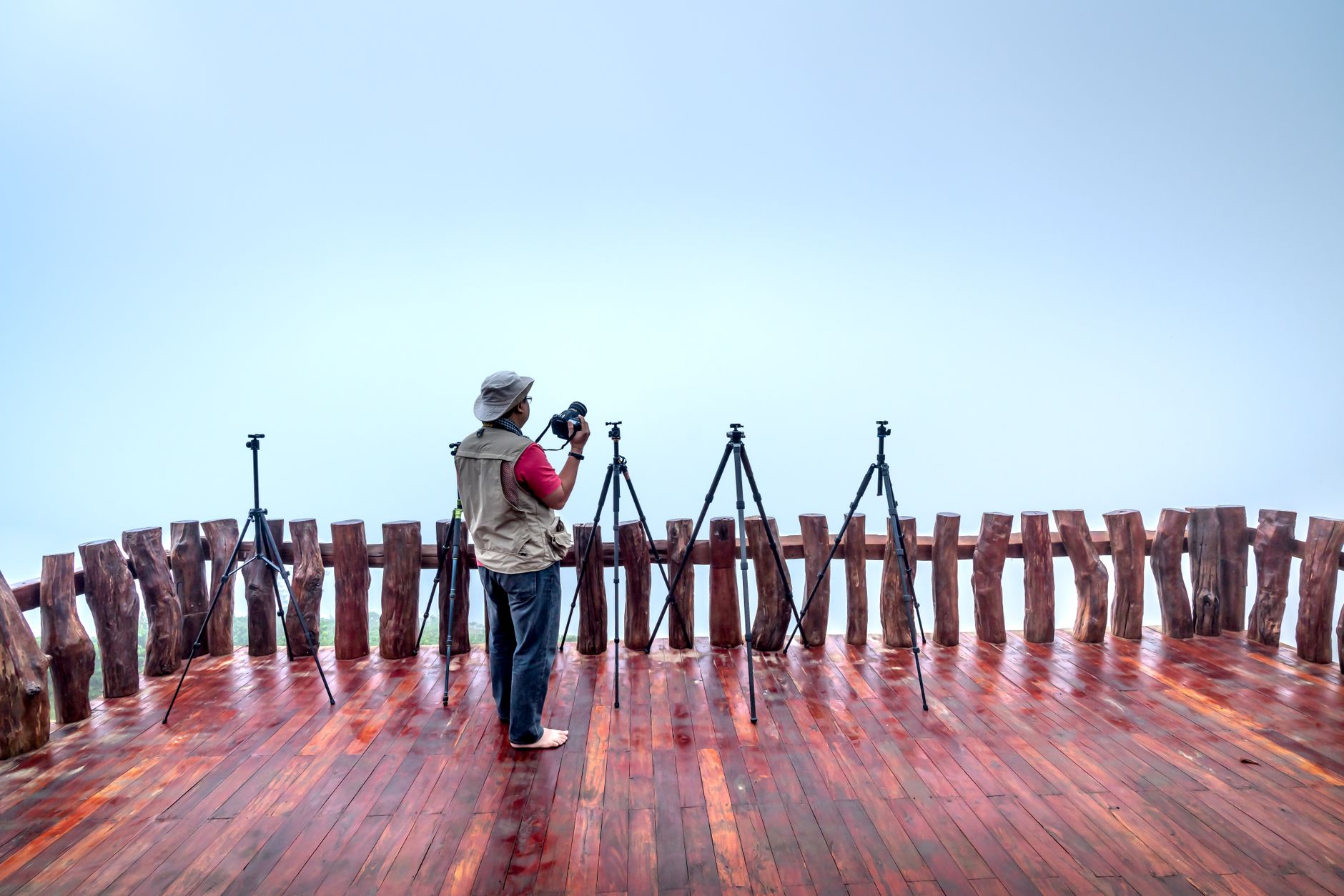
A tripod is an indispensable tool for any landscape photography enthusiast. It not only stabilizes the camera but also allows for longer exposure times, which is crucial when photographing during golden hours or night scenes.
When choosing a tripod, pay attention to its weight and stability. Carbon tripods are lightweight yet very durable, making them excellent travel companions. A ball head allows for quick adjustments of composition without losing the stability of the entire setup.
Dispelling Myths About Landscape Photography
Several myths surround landscape photography. One of them is the belief that you need a full-frame camera to achieve stunning results. In reality, APS-C cameras also perform excellently in this role. Another misconception is that a UV filter is necessary to protect the lens — this is often a marketing gimmick.
Another myth involves megapixel counts — while many believe that more is better, a resolution in the range of 24-45 MP is optimal. HDR is not a magic solution for all exposure issues and often results in an artificial look. Finally, the idea that a tripod is 'overkill' for simple sessions is wrong — the stability it provides is invaluable, especially in challenging lighting conditions.
Practical Examples: Outdoor Sessions
Every outdoor session is an opportunity to learn and improve skills. Working in the field requires flexibility and a readiness to adapt plans. It's advisable to prepare various compositional scenarios that can be modified depending on the encountered light and weather conditions.
Landscape photography also demands patience — it’s often worth spending long hours in one place, waiting for the perfect light. Sample sessions can involve photographing rivers on a cloudy day using ND filters to achieve a milky effect or photographing mountains during golden hour to capture the full spectrum of colors.
How Picvelo Can Help
Picvelo makes life easier for landscape photographers with intuitive client galleries. It allows for quick photo uploads for clients and easy selection. With watermarks, you can protect your work, and integration with the print sales process becomes seamless. Provide a better experience for your clients by choosing pricing Picvelo!
Summary
Landscape photography, while requiring preparation and knowledge, offers limitless artistic possibilities. Both filters, tripods, and skillful use of golden hours contribute to creating unforgettable images. It's time to grab your camera and explore the world from a new perspective — every frame is a new adventure! Check out how Picvelo can support your projects with beautiful galleries homepage.
FAQ
Do I need a full-frame camera for landscape photography?
No, a full-frame camera is not necessary. APS-C cameras also allow for excellent landscape photos, offering an advantage in terms of quality-price ratio.
What filters are most important in landscape photography?
The most important filters are polarizing (CPL) for reducing glare, neutral (ND), and graduated (GND) filters, which help manage the exposure of complex scenes.
What focal length is best for landscape photography?
A wide-angle focal length, such as 14-24mm, is ideal for capturing expansive scenes. Telephoto lenses, like 70-200mm, can be used to isolate details and compress space.
Why is a tripod so important in landscape photography?
A tripod provides stability and allows for longer exposure times, which is crucial during the golden hours and night photography when any camera movement must be eliminated.
When are the best conditions for photographing landscapes?
The best conditions occur during the golden hours – just after sunrise and before sunset, when the light is soft and warm. The blue hour also offers mystical lighting.
What is hyperfocal distance and why is it important?
Hyperfocal distance is the distance at which we set focus to achieve maximum depth of field from the foreground to the horizon. It’s crucial in landscape photography for sharp images.