
Wydarzenia takie jak komunie i chrzciny są pełne emocji i momentów, których nie sposób oddać słowami. Dlatego odpowiednia organizacja zdjęć z tych uroczystości jest kluczowa. Dzięki dobrze zaplanowanej galerii fotograficznej wspomnienia staną się przystępne dla całej rodziny — od dziadków po chrzestnych. Jak stworzyć taką galerię, by trafiła do każdego, kto chce wrócić do tych chwil? Oto nasze sprawdzone wskazówki.
Planowanie kolekcji zdjęć z wydarzeń rodzinnych
Podział zdjęć na kolekcje to fundament każdej dobrze zorganizowanej galerii. Dla uroczystości takich jak komunie czy chrzciny idealnie sprawdzi się podział na cztery główne grupy: przygotowania, ceremonia w kościele, sesja dziecka oraz przyjęcie. Każda z tych kolekcji może składać się z kilkunastu kadry, które razem opowiedzą całą historię dnia. Zacznij od dokumentacji przygotowań — od detali sukni czy garnituru, przez portrety w domu. W kościele zwracaj uwagę na formalne rytuały, łapiąc momenty takie jak nałożenie dłoni przez księdza czy moment błogosławieństwa rodzinnego. Po ceremonii, skoncentruj się na sesji indywidualnej dziecka, najlepiej w otoczeniu natury. Zakończ reportaż zdjęciami z przyjęcia, pokazując reakcje bliskich i spontaniczne chwile.
Publiczna czy prywatna: wybór rodzaju galerii
Decyzja o rodzaju dostępu do galerii jest kluczowa dla odbioru końcowego. Można wybrać galerię publiczną, do której dostęp będzie miał każdy z linkiem, co jest dobre dla dużych rodzin i przyjaciół. Alternatywnie, galeria na hasło chroni prywatność, dając dostęp tylko wybranym osobom. Niezależnie od wyboru, należy wziąć pod uwagę łatwość dostępu i intuicyjność interfejsu użytkownika. Recenzje i opinie rodziny mogą być również pomocnym wskaźnikiem tego, który rodzaj galerii preferują. Dzięki odpowiednim narzędziom online, takim jak Picvelo, załatwienie tych kwestii staje się prostsze. Umożliwiają one zarówno oglądanie, jak i pobieranie zdjęć, co może znacznie ułatwić proces dzielenia się wspomnieniami.
Rola szybkiej dostawy 'na gorąco'
Po zakończeniu ceremonii wiele osób ma ochotę jak najszybciej zobaczyć pierwsze efekty — kilka zdjęć 'na gorąco'. To świetny sposób na podtrzymanie emocji i zainteresowania rodziny. Wyrażenie „na gorąco” odnosi się do natychmiastowej postprodukcji pierwszych kilku zdjęć, co jest szczególnie istotne dla mediów społecznościowych. Profesjonalne oprogramowanie pozwala na szybki retusz, transportując istotne momenty na urządzenia mobilne rodziców czy chrzestnych w ciągu godziny lub dwóch. Dzięki temu każdy kluczowy moment ceremonii jest szybko i wizualnie atrakcyjnie przedstawiony, co podtrzymuje emocje wśród gości i familii.
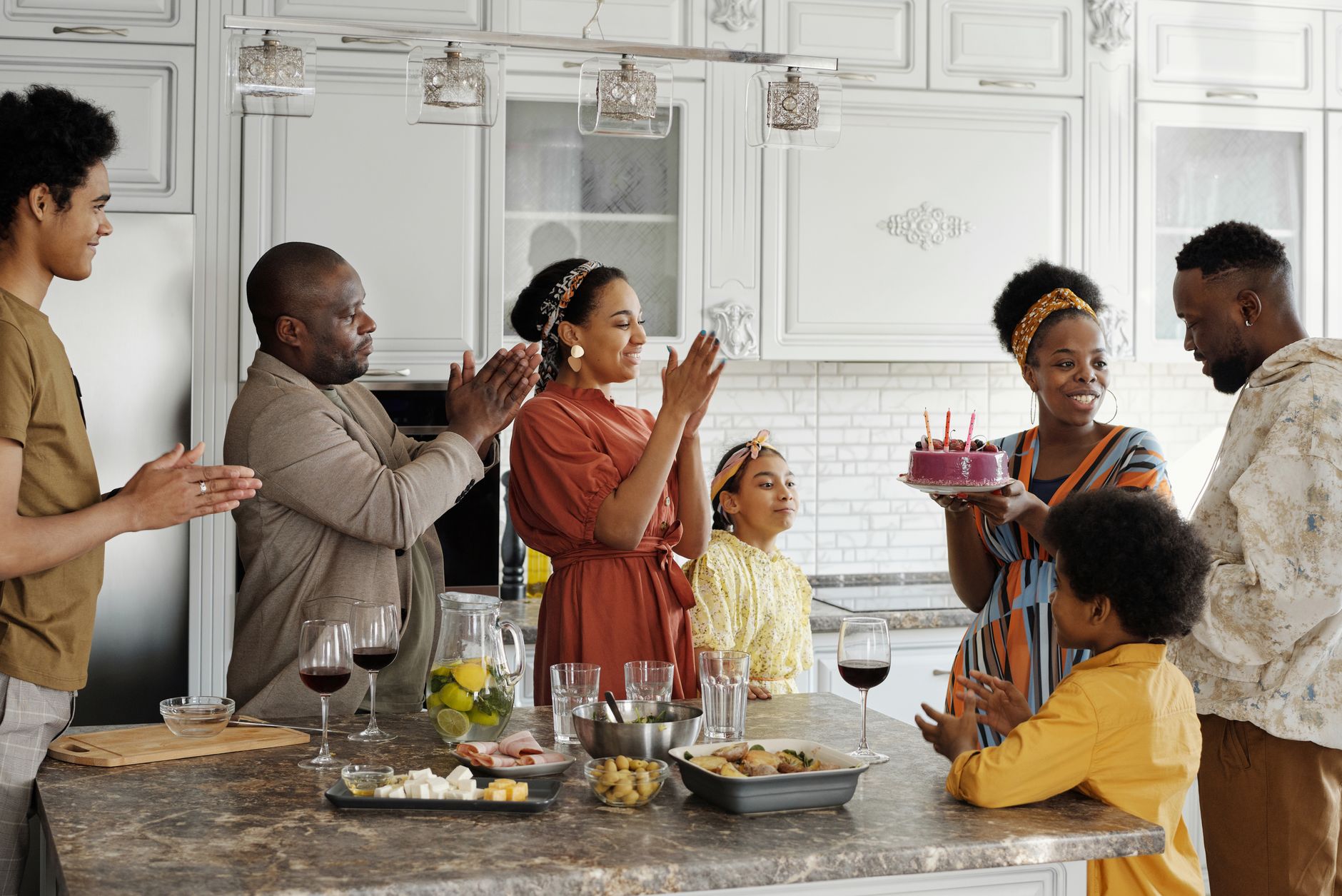
Pełna galeria: kluczowe terminy dostawy
Terminowa dostawa pełnej galerii jest kluczowym elementem dobrej praktyki fotografa. Warto obiecać klientom, że całość będzie gotowa w ciągu kilku dni po uroczystości. Wspólne obejrzenie zdjęć staje się wówczas rodzinnym rytuałem. Skorzystanie z oprogramowania do automatyzacji i organizacji zdjęć, takiego jak Picvelo, może przyspieszyć ten proces. Narzędzia te pozwalają na spiralne obrabianie i kategoryzowanie dużych ilości zdjęć, co znacznie upraszcza pracę. Posiadanie pełnej galerii dostępnej online pomaga uniknąć problemów związanych z fizycznym transportem nośników danych, jak również pozwala na personalizację (np. dodawanie opisów i tagów).
Fotoksiążki i odbitki jako oferta dodatkowa
Sprzedaż dodatkowych produktów, takich jak fotoalbumy czy odbitki, może znacznie zwiększyć wartość każdej sesji komunijnej lub chrzcielnej. Fotoksiążki to idealny prezent dla dziadków i chrzestnych, którzy często cenią sobie namacalne pamiątki. Zastosowanie wysokiej jakości materiałów i personalizowanych okładek może sprawić, że te produkty będą wyjątkowe. Możliwość zamówienia odbitek w różnych formatach i materiałach z galerii online to wygodna opcja dla klientów. To także świetny sposób na wprowadzenie różnych strategii cenowych oraz pakietów, które będą odpowiadać różnym potrzebom i budżetom rodzin. Dzięki temu, każde zdjęcie może stać się częścią większej, bardziej namacalnej historii.
Jak fotografować w kościele: dyskrecja i technika
Fotografia w kościele wymaga umiejętności łączenia dyskrecji z mistrzowską obsługą sprzętu. Kluczowe jest unikanie błysków lampy podczas ceremonii — aparat z wysokim ISO (np. 1600-3200) i jasnym obiektywem (f/2.8 lub jaśniejszym) pozwoli uchwycić momenty bez zakłócania nabożeństwa. Fotograf powinien być niemal niewidoczny, poruszając się cicho i planując kadry z wyprzedzeniem. Obiektyw stałoogniskowy sprawdzi się świetnie do portretów, podczas gdy zoom da więcej elastyczności przy zmianie planów zdjęciowych. Kombinacja powolnego kadrowania i planowania pozwoli na naturalne, autentyczne ujęcia. Dzięki takiemu podejściu, ceremonia religijna pozostanie intymna i w pełni autentyczna.

Znaczenie brandingu w galerii fotograficznej
Branding zdjęć poprzez galerię online to świetna okazja do zbudowania rozpoznawalności wśród klientów. Logo i subtelny znak wodny pomagają w budowaniu świadomości marki. Nie tylko zabezpieczają one zdjęcia przed nieautoryzowanym użyciem, ale także przypominają o tobie, jako o profesjonalnym artyście za każdym razem, gdy klient i jego rodzina przeglądają galerię. Rozpoznawalność twojej marki w ten sposób zyskuje na znaczeniu, zwłaszcza że twoje zdjęcia mogą być często udostępniane w mediach społecznościowych. To subtelna forma reklamy, która pozostawia elegancki ślad w rodzinach dzięki dobrze zaprojektowanej i przemyślanej estetyce galerii.
Produkcja galerii z myślą o rodzinie
Podczas tworzenia galerii rodzinnej istotna jest jej dostępność i personalizacja. Galeria powinna być prosta do użycia, intuicyjna i wygodna dla użytkowników w każdym wieku, od dziadków po młodsze pokolenia. Możliwość personalizacji każdej galerii według indywidualnych potrzeb klienta — na przykład dodawanie dedykacji czy osobistych wspomnień — może znacznie poprawić doświadczenie odbiorcy. Picvelo oferuje te opcje, co czyni je świetnym wyborem przy tworzeniu galerii komunijnych i chrzcielnych. Integracja z mediami społecznościowymi oraz opcje pobierania pomagają rodzinie dzielić się radością w dogodny sposób.
Jak Picvelo może pomóc
Jak Picvelo może pomóc? Nasza platforma umożliwia łatwe tworzenie galerii online z możliwością personalizacji, co jest idealne dla rodzinnych uroczystości. Dodatkowo, dzięki funkcjom sprzedaży odbitek i znaków wodnych, Picvelo oferuje kompleksowe rozwiązanie do zarządzania i zabezpieczania zdjęć. Sprawdź nasz cenniku i dowiedz się więcej.
Podsumowanie
Organizacja zdjęć z takich uroczystości jak komunie i chrzciny to wyzwanie, które warto podjąć z precyzyjnym planem. Dzięki wskazówkom zawartym w tym artykule możesz stworzyć niezapomnianą galerię, która przyniesie radość całej rodzinie. Odwiedź Picvelo i dowiedz się, jak możemy wspomóc twój proces twórczy już dziś.
Najczęściej zadawane pytania
Ile kosztuje przygotowanie galerii komunijnej?
Koszt przygotowania galerii komunijnej zależy od wielu czynników, w tym od liczby zdjęć, dodatkowych usług takich jak fotoksiążki, oraz od używanego oprogramowania. Średnio cenę ustala się od 500 do 1500 zł za kompleksową usługę.
Czy warto oferować fotoksiążki i odbitki?
Tak, oferowanie fotoksiążek i odbitek może znacząco zwiększyć przychody fotografa. Klienci często cenią sobie namacalne pamiątki, a dodatkowe produkty mogą być atrakcyjne jako prezent dla rodziny.
Jak szybko dostarczyć zdjęcia klientom?
Szybka edycja kilku zdjęć 'na gorąco' w godzinę po ceremonii jest dobrym pomysłem. Pełna galeria powinna być gotowa w ciągu kilku dni, co utrzymuje zainteresowanie klientów i pozwala rodzinie cieszyć się wspomnieniami.
Czy potrzebuję specjalnego sprzętu do zdjęć w kościele?
Praca w kościele wymaga sprzętu z wysoką czułością ISO i jasnymi obiektywami, które umożliwiają fotografowanie przy słabym oświetleniu bez użycia lampy błyskowej. Obiektyw f/2.8 lub jaśniejszy będzie odpowiedni.
Jak zabezpieczyć zdjęcia w galerii online?
Zabezpieczenie zdjęć w galerii online można osiągnąć dzięki zastosowaniu znaków wodnych oraz zabezpieczeń hasłowych lub autoryzacji. Takie metody chronią przed nieautoryzowanym dostępem do zdjęć.
Co lepsze: galeria publiczna czy na hasło?
Galeria na hasło lepiej chroni prywatność, umożliwiając dostęp tylko wybranym osobom. Galeria publiczna jest natomiast łatwiejsza do udostępniania, co może być korzystne w dużych rodzinach.
Galeria do selekcji zdjęć dla fotografów. Wyślij klientom link, a oni wybiorą ulubione kadry.
Zacznij za darmo



Komentarze (0)
Brak komentarzy. Bądź pierwszy!